Celebrate Healthcare Excellence: A Complete Guide to National Phlebotomy Recognition and Careers
Introduction
Healthcare professionals play a vital role in ensuring the well-being of communities around the world.Among these dedicated individuals, phlebotomists hold a critical position – they are the front-line heroes in specimen collection, contributing directly to accurate diagnoses and effective patient care. Celebrating healthcare excellence involves recognizing the skills, dedication, and achievements of phlebotomists through national recognition programs and certifications. In this comprehensive guide, we’ll delve into the importance of phlebotomy in healthcare, how to attain national certification, explore career opportunities, and share practical tips for success. Whether you’re an aspiring healthcare professional or a seasoned technician, this article aims to inspire and inform you on the path to a rewarding phlebotomy career.
Understanding the Role of Phlebotomy in Healthcare
Phlebotomy is the specialized practice of drawing blood for laboratory testing, donations, or blood matches. Despite its seemingly straightforward task, it requires skill, precision, empathy, and adherence to strict safety standards. Proper blood collection ensures:
- Accurate diagnostic results
- Patient safety and comfort
- Compliance with health regulations
- efficient processing in laboratories
Phlebotomists are essential members of the healthcare team,supporting doctors,nurses,and laboratory analysts by providing high-quality blood specimens vital for diagnosing illnesses,monitoring health conditions,and guiding treatment plans.
National Phlebotomy Recognition: Celebrating Excellence
Recognition programs at the national level serve to honor outstanding phlebotomists and foster professional excellence within the healthcare industry. These accolades highlight the commitment, expertise, and compassionate care that are hallmarks of elite practitioners.
Key Benefits of National Recognition
- Professional Credibility: Enhances reputation and credibility among peers and employers.
- Career Advancement: Opening new opportunities for promotion and specialization.
- Personal Fulfillment: recognition fosters motivation and pride in one’s work.
- Industry Standards: Promotes ongoing education and adherence to best practices.
Major Recognition and Certification Bodies
| Organization | Description | Recognition Type |
|---|---|---|
| National Phlebotomy Association (NPA) | Provides certification and recognition programs for competent phlebotomists across the U.S. | Certification & Awards |
| American Society for Clinical Pathology (ASCP) | Offers the Certified Phlebotomy Technician (CPT) credential with national recognition. | Professional Certification |
| National Healthcareer Association (NHA) | Certifies phlebotomy technicians with industry-standard credentials. | National Certification |
Pathways to a Certified Phlebotomy Career
Embarking on a successful phlebotomy career requires proper training, certification, and continuous professional development. Here’s a step-by-step guide:
Educational Requirements
- High school diploma or equivalent
- Completion of a recognized phlebotomy training program
- Hands-on clinical experience
Obtaining Certification
Certification demonstrates your proficiency and commitment to healthcare excellence. The typical process involves:
- Completing accredited training programs that satisfy certification requirements
- Passing a national certification exam (e.g., CPT, NHA, or ASCP)
- Maintaining certification through continuing education
Additional Credentials & Specializations
- LA-Phlebotomy for laboratory assistants
- pediatric or neonatal phlebotomy specialization
- Exceptional patient care and leadership roles
Practical Tips for Aspiring Phlebotomists
- Focus on Patient Comfort: Develop excellent communication skills to help ease patient anxiety.
- Practice Makes Perfect: Gain as much clinical experience as possible during training.
- Stay updated: Keep abreast of latest techniques, safety protocols, and certification requirements.
- Network Professionally: Join associations like NPA or ASCP for resources and career opportunities.
- Prioritize Safety: Always adhere to infection control and safety standards.
Case Studies: Highlighting Excellence in Phlebotomy
| Case Study | Highlight | Outcome |
|---|---|---|
| Jane Doe, Certified Phlebotomist | Implemented patient-friendly collection techniques | Reduced patient anxiety and improved sample quality |
| City Lab Success Story | Trained new staff with a focus on safety protocols | achieved zero incidents over 12 months, recognized for industry standards |
| Volunteer Blood Drive | Enhanced community engagement and awareness | Accumulated record donations, strengthened community trust |
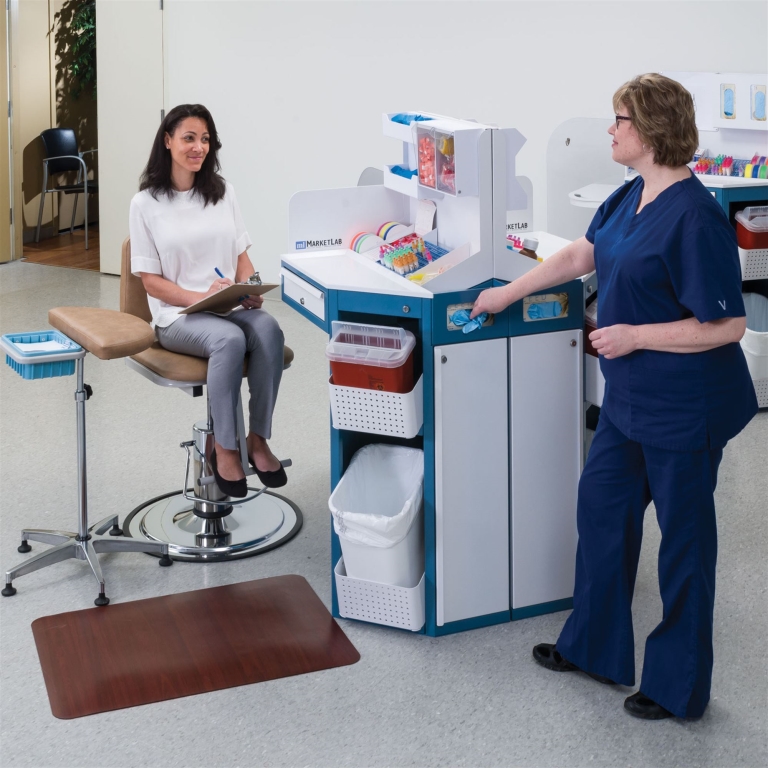
First-Hand Experience: A Day in the Life of a Phlebotomist
Stepping into the shoes of a phlebotomist reveals a rewarding blend of technical skill and compassionate communication. A typical day involves:
- Preparing the workspace and ensuring safety protocols
- Identifying and verifying patients
- Applying proper techniques for blood draw, including venipuncture and capillary puncture
- Labeling and handling specimens accurately
- Providing reassurance and comfort to nervous patients
- Documenting procedures and maintaining equipment
This role not only requires technical proficiency but also a dedication to patient care, often making a positive difference in patients’ medical journeys.
Conclusion
Celebrating healthcare excellence through national recognition and careers in phlebotomy underscores the vital contribution of these professionals. With proper training, certification, and a dedication to patient-centered care, aspiring phlebotomists can enjoy a fulfilling career, making meaningful impacts in health diagnostics and patient wellbeing. As the healthcare landscape continues to evolve, so too do opportunities for recognition and advancement within this dynamic field. Embrace the journey, celebrate your achievements, and contribute to the vital mission of healthcare excellence.