Top Job opportunities in Phlebotomy: Your Guide to a Rewarding Medical Career
Are you considering a career in the healthcare field but unsure where to start? Phlebotomy offers an excellent pathway into the medical industry, combining meaningful work with strong job prospects. Whether you’re interested in working in hospitals, clinics, or mobile medical teams, phlebotomy professionals are in high demand. In this extensive guide, we’ll explore the top job opportunities in phlebotomy, the benefits of pursuing this career, practical tips for success, and real-life case studies that highlight the rewarding nature of this profession.
What is Phlebotomy?
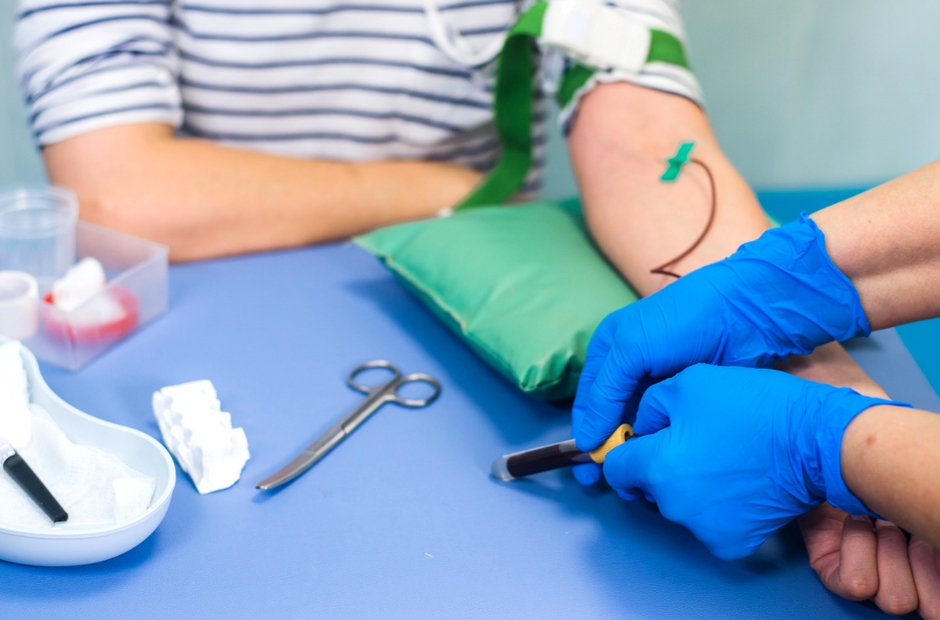
Phlebotomy is a specialized medical profession focused on drawing blood samples from patients for laboratory testing, transfusions, or donations. The role requires precision, excellent patient communication skills, and a good understanding of anatomy and safety protocols. As a phlebotomist, you are a vital part of the healthcare team, assisting in diagnoses and treatment through your skillful blood collection.
Why Choose a Career in phlebotomy?
- High employability: Consistent demand across healthcare facilities ensures job stability.
- Relatively swift certification: Training programs often take a few months, leading to faster entry into the workforce.
- flexible work environments: Opportunities in hospitals, clinics, blood donation centers, outpatient clinics, and mobile clinics.
- Rewarding patient interactions: Directly impactful roles that contribute to patient health and community well-being.
- Potential for career growth: Advancement into supervisory roles, laboratory technicians, or specialized fields.
Top Job Opportunities in Phlebotomy
1. Hospital Phlebotomist
Hospitals are among the largest employers for phlebotomists. Working in fast-paced environments, hospital phlebotomists collect blood samples from diverse patient populations, including emergency cases, surgeries, and inpatient care.They often collaborate with medical staff to ensure timely laboratory results.
2. Outpatient Clinic Phlebotomist
Many outpatient clinics and specialty practices hire phlebotomists to handle routine blood draws for diagnostics and ongoing patient monitoring. These roles typically allow for regular scheduling and less high-stress environments.
3. Blood Donation Center Technician
Working at blood banks or donation centers, phlebotomists facilitate safe blood collection for transfusions and medical research. This role offers a structured surroundings with a focus on donor care and safety.
4. Mobile Phlebotomy Services
In this role, professionals travel to patient homes, workplaces, or community events to collect blood samples, providing convenience and expanding access to healthcare services, especially for elderly or disabled patients.
5. Laboratory Assistant
Some phlebotomists advance into laboratory technician roles, performing blood sample processing, analysis, and assisting with lab tests, expanding their scope within the healthcare lab environment.
Practical tips for Aspiring Phlebotomists
- Get certified: Enroll in accredited phlebotomy training programs for certification, which boosts employment prospects.
- Develop strong communication skills: Comfort in explaining procedures and calming anxious patients is vital.
- Practice proper technique: Precision reduces patient discomfort and sample contamination.
- Stay updated with healthcare regulations: Keep abreast of safety protocols and industry standards.
- Build a professional network: Join associations like the National Phlebotomy Association for resources and job opportunities.
Benefits of a Career in Phlebotomy
| Benefit | Description |
|---|---|
| Quick Entry | Fast certification programs allow you to start working in as little as 4-6 months. |
| Job Stability | Growing healthcare industry ensures consistent employment opportunities. |
| Good Salary | Average entry-level salary ranges from $30,000 to $40,000 annually, with growth potential. |
| Personal Fulfillment | Helping patients and contributing to healthcare makes the job rewarding. |
| flexible Scheduling | Many roles offer part-time, full-time, or shift-based work, accommodating various lifestyles. |
Real-Life Case Study: From Novice to Expert
Meet Sarah,who started her career as a phlebotomist just a year ago. Initially hesitant about drawing blood from anxious patients, she completed an intensive certification program and gained hands-on experience. Today, Sarah works in a high-volume hospital, leading blood collection teams and mentoring newcomers. Her journey highlights how dedication, continuous learning, and passion can transform a basic role into a fulfilling career in healthcare.
Conclusion
Embarking on a career in phlebotomy opens up numerous promising job opportunities within the healthcare industry. From hospital settings to mobile blood drives, the demand for skilled phlebotomists is steadily increasing, offering job stability, competitive salaries, and meaningful patient interactions. By obtaining proper certification, honing your skills, and staying proactive, you can build a rewarding career that not only provides professional growth but also contributes considerably to public health. If you’re looking for a start in medicine that combines practicality and purpose, phlebotomy is an excellent choice to consider.
Take the first step today-explore certified training programs and discover your potential in this vital medical field!