Master the Essentials of Phlebotomy Education: Your Path to a Triumphant Healthcare Career
If you’re passionate about healthcare and interested in making a direct impact on patient health, a career in phlebotomy might be the perfect choice. Mastering the essentials of phlebotomy education provides a solid foundation for a rewarding and in-demand healthcare profession. This extensive guide will walk you through everything you need to know to succeed in phlebotomy, from required skills and training to practical tips and real-world insights.
Understanding Phlebotomy: The Heart of Medical Testing
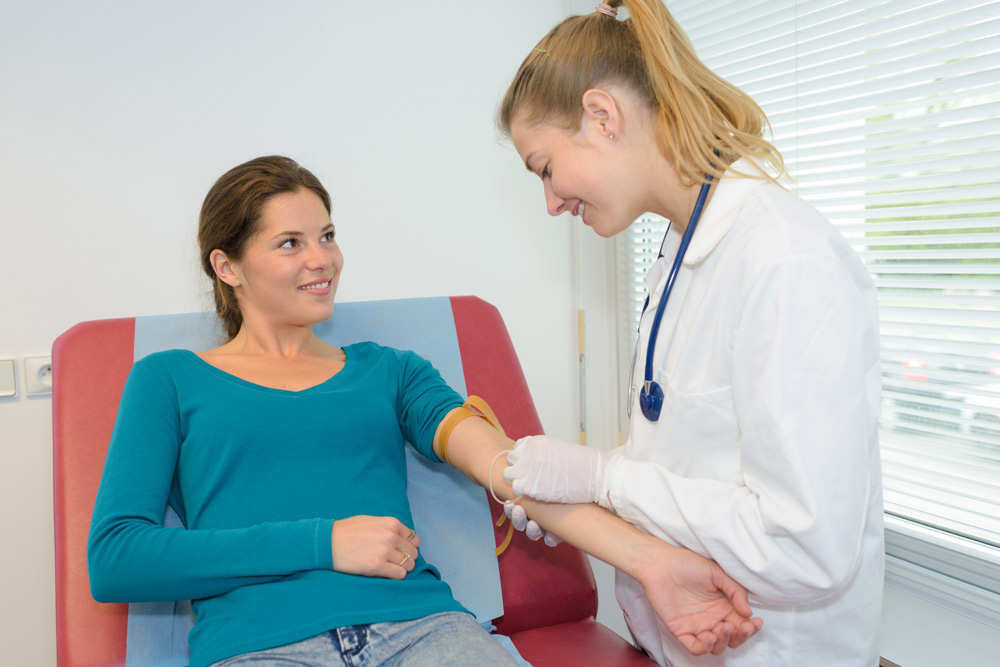
Phlebotomy involves the collection of blood samples from patients for laboratory testing, transfusions, donations, or research. These samples are crucial for diagnosing illnesses, monitoring health conditions, and guiding treatment plans.as a phlebotomist, you play a vital role in the healthcare system by ensuring accurate, safe, and compassionate blood collection.
Why Pursue a Career in Phlebotomy?
- High Demand: The need for skilled phlebotomists continues to grow due to increased healthcare services and aging populations.
- Entry-Level Accessibility: Minimal educational requirements make it an accessible entry point into healthcare.
- Meaningful Impact: Directly contribute to patient care and medical diagnostics.
- Flexible Opportunities: Work in hospitals, clinics, laboratories, blood banks, and mobile healthcare units.
- Rewarding Earnings: Competitive salaries with potential for advancement.
Essential Components of Phlebotomy education
1. Formal Phlebotomy Training Programs
Starting with accredited phlebotomy training programs is a critical step. These programs provide the foundational knowledge and skills necesary for safe and effective blood collection. They typically cover:
- Anatomy and physiology relevant to blood collection
- proper venipuncture techniques
- Safety protocols and infection control
- Patient interaction and interaction skills
- Legal and ethical considerations
2. Certification and Licensing
While certification requirements vary by state, obtaining a nationally recognized certification enhances employment prospects and credibility. Popular certifying agencies include:
- American Society for Clinical Pathology (ASCP)
- National Phlebotomy Association (NPA)
- American Medical Technologists (AMT)
Certification typically involves passing an exam demonstrating your technical skills and theoretical knowledge. Many programs prepare students specifically for these exams, increasing your chances of success.
3. Hands-On Practical Experience
Practical training is vital. Most certification programs include supervised clinical internships or externships.This real-world experience helps you:
- Refine venipuncture techniques
- Build confidence interacting with patients
- Learn how to handle difficult draws
- Ensure adherence to safety standards
Skills and Qualities of a Successful Phlebotomist
Beyond technical skills, several personal qualities contribute to success in phlebotomy:
- Attention to Detail: Precision is essential for accurate data collection.
- Strong Communication: Comfort and reassurance for patients are key.
- Steady hands: Vital for successful venipuncture.
- Patience and Empathy: Particularly important when working with anxious or difficult patients.
- Adaptability: Ability to handle diverse situations and environments.
Benefits and Practical Tips for Aspiring Phlebotomists
Benefits of Proper Phlebotomy Education
- Enhanced employability and competitive advantage in the healthcare job market.
- Increased likelihood of passing certification exams on the first attempt.
- Greater confidence and competence in performing blood draws.
- Improved patient safety and comfort during procedures.
- Foundation for career advancement into roles like supervisory positions or specialized medical fields.
Practical Tips to Excel in Your Phlebotomy Career
- Stay Informed: Keep up with the latest best practices and safety protocols.
- Practice Regularly: Hone your venipuncture techniques through simulations or volunteer work.
- Prioritize Patient Comfort: Use empathetic communication and gentle techniques.
- Maintain Certification: Meet ongoing education requirements and recertify promptly.
- network: Connect with healthcare professionals for opportunities and mentorship.
Case Studies: Real-World Success in Phlebotomy
Case Study 1: From Student to certified Professional
| Step | Action | Result |
|---|---|---|
| Enroll in accredited program | Completed intensive coursework and practical training | Passed certification exam on first attempt |
| secure clinical internship | Gained hands-on experience in a hospital setting | Bootstrapped confidence and job readiness |
| Obtain certification | Certification earned from recognized agency | started working as a professional phlebotomist |
Case Study 2: Advancing to Specialized Roles
After gaining initial experience:
- Specialized in pediatric blood draws
- Completed additional certifications
- Moved into supervisory roles
This demonstrates the value of continuous learning and dedication in building a successful healthcare career through phlebotomy.
Additional Resources for Aspiring Phlebotomists
- American Society for Clinical Laboratory Science (ASCLS)
- National Healthcareer Association (NHA)
- Lab Tests Online
Conclusion: Your Journey Starts Here
Mastering the essentials of phlebotomy education opens the door to a rewarding career in healthcare. Through accredited training, certification, practical experience, and ongoing professional progress, you can establish a solid foundation for success in this vital medical field. Whether you’re seeking an entry point into healthcare or aiming to specialize further, dedicating yourself to excellence in phlebotomy will serve as a stepping stone toward a fulfilling and impactful healthcare career. Start your journey today and become a confident, skilled phlebotomist making a difference in patients’ lives!