Explore Lucrative Opportunities: Your Guide to Careers in Phlebotomy
Are you searching for a fulfilling healthcare career that offers stability, growth potential, and the opportunity to make a real difference? Becoming a phlebotomist might be the perfect fit! As a vital member of the medical community, phlebotomists are responsible for collecting blood samples that are crucial for diagnostics and patient care. In this comprehensive guide, we’ll explore the exciting career opportunities in phlebotomy, how to get started, the benefits of this profession, and practical tips to succeed. Dive in and discover how a career in phlebotomy can be your pathway to a rewarding future.
What Is a Phlebotomist?
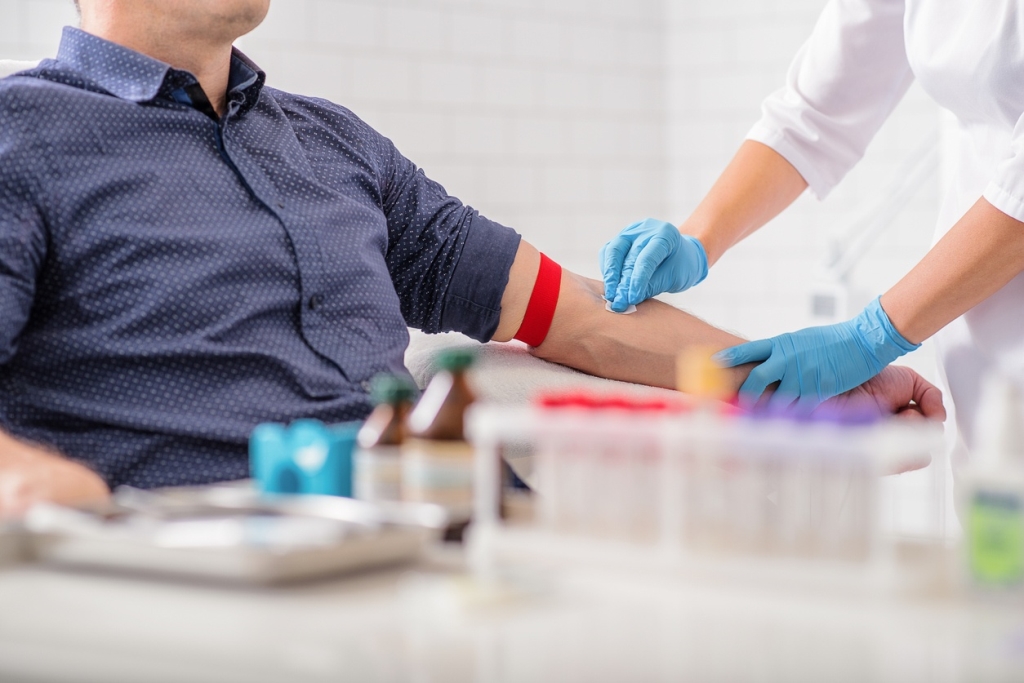
A phlebotomist is a trained healthcare professional specializing in drawing blood from patients for tests, transfusions, donations, or research. Their role is critical in the healthcare process, ensuring that blood samples are collected safely, accurately, and comfortably for patients.
Phlebotomists work in various settings, including hospitals, diagnostic laboratories, blood banks, clinics, and mobile blood donation units. This versatility allows for numerous career opportunities across different environments.
Why Choose a Career in Phlebotomy?
- High demand for skilled professionals in healthcare industry
- Fast entry into the field with minimal educational requirements
- Potential for steady employment and attractive salary
- Opportunities for advancement and specialization
- Fulfilling work saving lives and improving health
How to Start a Career in Phlebotomy
Embarking on a phlebotomy career is more accessible than many imagine.Follow these essential steps to enter the field:
1. Obtain Necessary Education and Certification
Most employers require phlebotomists to hold a certification, wich involves completing a training programme. Certification levels vary, but generally, you should aim for:
- High school diploma or GED
- Completion of a phlebotomy training program (often 40-100 hours)
- Passing a recognized certification exam (e.g., Phlebotomy Technician Certification, CPT)
2. Gain practical Experience
Hands-on training during your program will prepare you for real-world scenarios. Consider internships or externships to build confidence and skills.
3. Obtain Certification
Although requirements differ by state,certification enhances employability and credibility. Popular certifying agencies include:
- American Society for Clinical Pathology (ASCP)
- National Healthcareer Association (NHA)
- American Medical Technologists (AMT)
4. Seek Employment opportunities
Employers often post job openings on healthcare job boards,hospital websites,and local clinics. A well-crafted resume highlighting your training and certifications will give you an edge.
Career Opportunities in Phlebotomy
The demand for certified phlebotomists is rapidly increasing. Here are some of the most common and lucrative career paths in phlebotomy:
| Position | Work Environment | Average Salary (USD)* | Growth Outlook |
|---|---|---|---|
| hospital Phlebotomist | Hospitals and clinics | $34,000 – $45,000 | Excellent |
| Blood Donation Center technician | Blood banks | $30,000 – $40,000 | Steady |
| Mobile phlebotomist | Mobile clinics, home visits | $32,000 – $44,000 | Growing |
| Research Lab Phlebotomist | Biotech and research labs | $36,000 – $50,000 | High |
*Salary data may vary based on location, experience, and employer.
Benefits of a Career in Phlebotomy
Financial Stability and Growth
Phlebotomy offers competitive salaries with opportunities for raises, bonuses, and advancement into supervisory roles or specialized fields such as medical assisting or laboratory technician.
Work-Life balance
Many phlebotomy roles feature regular hours, making it easier to balance work and personal life, especially in outpatient and mobile settings.
Personal Fulfillment
Helping patients and contributing to life-saving diagnostics can be incredibly rewarding, fostering a sense of purpose and job satisfaction.
flexibility and Variety
With work environments ranging from hospitals to blood banks and mobile clinics, phlebotomists enjoy diverse job settings and schedules.
Practical Tips for Success in Phlebotomy
- Develop excellent communication skills for patient comfort
- Maintain attention to detail during blood collection and documentation
- Stay current with certification requirements and continued education
- Practice safety protocols diligently to prevent needlestick injuries and infections
- Build a professional network for job opportunities and mentorship
Case Study: From Novice to Expert Phlebotomist
Meet Sarah: A Journey in Phlebotomy
Sarah started her career as a certified phlebotomist after completing a 3-month training program. With dedication and continuous learning, she became a lead technician responsible for training new staff and managing blood draw procedures. Her story underscores how commitment, ongoing education, and experience can open doors to advanced roles and increased earning potential in the field of phlebotomy.
First-Hand Experience: What It’s Really Like
Many aspiring phlebotomists wonder about the daily work experience. From my own time working in a hospital lab, I can tell you that the role is both challenging and rewarding. Your ability to stay calm, communicate clearly, and handle patients with care makes a significant difference. The sense of accomplishment after successful blood draws and happy patients is unmatched.
conclusion
If you’re looking for a dynamic healthcare career that offers stability, growth, and meaningful work, phlebotomy is an excellent choice. With minimal educational barriers and high demand, entering this field can be quicker and more accessible than you might think. By obtaining proper certification, gaining practical experience, and continuously developing your skills, you can unlock a multitude of lucrative opportunities in this thriving industry.Start your journey today and explore how a career in phlebotomy can lead to a fulfilling and prosperous future.