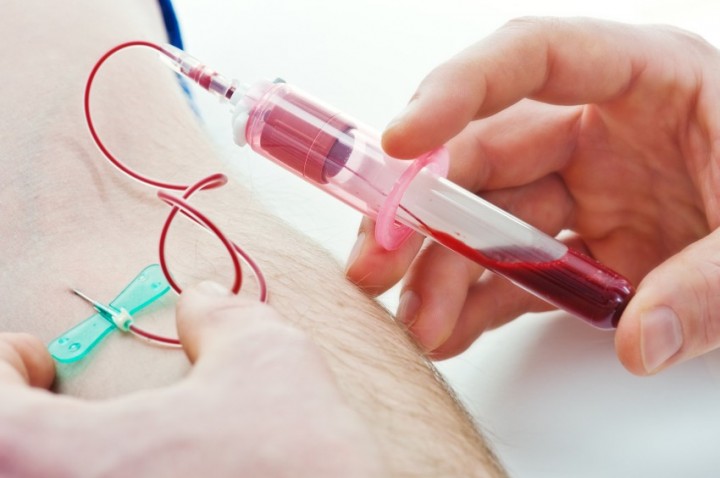
How to Get Certified as a Phlebotomist: Step-by-Step Guide to Building Your Career
If you’re interested in entering the healthcare field and enjoy working with people, becoming a certified phlebotomist is an excellent career choice. Phlebotomy technicians play a crucial role in collecting blood samples for laboratory testing,diagnosis,and treatment. Certification not only boosts your credibility but also improves your job prospects and earning potential. In this comprehensive guide,we’ll walk you through the essential steps on how to get certified as a phlebotomist and launch your rewarding healthcare career.
Why Certification Matters in Phlebotomy
While some states might not legally require phlebotomy certification, earning a recognized credential is highly beneficial. Certification demonstrates your competence, commitment, and professionalism in the field. healthcare employers increasingly prefer or mandate certified phlebotomists, as it assures a certain standard of quality and safety. Additionally, certification can open doors to higher-paying positions, specialized roles, and career advancement opportunities.
Step 1: Understand the Requirements to Become a Phlebotomist
The prerequisites to start your journey as a phlebotomist vary depending on your state and the certification agency. Generally, the basic requirements include:
- minimum age of 18 years
- High school diploma or GED
- Valid identification and social security number
- Background check and sometimes health insurance clearance
it’s crucial to check your state’s specific regulations and the requirements set by the certifying organizations to ensure you meet all prerequisites.
Step 2: Complete Accredited Phlebotomy Training Program
Choosing the Right Training Program
Getting proper training is essential for building foundational skills in phlebotomy.Look for programs that are accredited by recognized agencies such as the National Accrediting Agency for Clinical Laboratory Sciences (NAACLS), American Society for Clinical Pathology (ASCP), or Phlebotomy Education Program. Accredited training ensures you’re gaining quality education aligned with industry standards.
What Dose the Training Cover?
Typical phlebotomy training courses include:
- Anatomy and physiology of the circulatory system
- Blood collection techniques (venipuncture and capillary puncture)
- Sample handling and processing
- Patient interaction and safety protocols
- Infection control and OSHA regulations
Duration and Format of Training Programs
| Program Type | Duration | mode |
|---|---|---|
| diploma Courses | 4-6 weeks | In-person/online |
| Certificate Programs | 2-4 weeks | In-person/online |
| Apprenticeship | Varies | On-the-job training |
Many community colleges, vocational schools, and online platforms offer reputable phlebotomy training programs. Choose one that fits your schedule,budget,and learning preferences.
Step 3: Gain Hands-On Practical Experience
Practical experience is vital to becoming a competent phlebotomist. Most training programs include supervised clinical practice in a healthcare setting. This experience helps you master blood collection techniques,patient communication,and safety protocols. Some programs require a set number of procedures performed to qualify for certification.
Step 4: Pass the Certification Exam
Popular Certification Agencies
Several reputable organizations offer phlebotomy certification,including:
- National Healthcareer Association (NHA)
- American Society for Clinical Pathology (ASCP)
- National Phlebotomy Association (NPA)
- american Medical Certification Association (AMCA)
Preparing for the Exam
Review your training materials thoroughly,practice blood collection procedures,and take practice exams. Many certifying bodies provide study guides and sample questions to aid your readiness.
exam Format
The certification exam usually comprises multiple-choice questions covering anatomy,collection procedures,safety,and patient interaction. Passing scores vary by agency but typically range around 70-80%.
Step 5: Obtain Your Certification and Maintain It
Once you pass the exam, you’ll receive your certification card or credential. To maintain your certification, you’ll need to earn continuing education credits periodically and renew your credential as required by the certifying institution. Staying current ensures your skills meet evolving industry standards.
Benefits of Becoming a Certified Phlebotomist
- Increased employability and job opportunities
- Potential for higher salary levels
- Recognition as a competent and professional healthcare worker
- Opportunities to specialize in areas like pediatric or arterial blood draws
- Foundation to advance into related healthcare roles
Practical Tips for Success in Phlebotomy Certification
- Choose an accredited training program to ensure quality education.
- invest time in hands-on practice; proficiency comes with repetition.
- Prepare diligently for your certification exam with practice questions and review materials.
- Develop strong patient communication skills to handle diverse individuals professionally.
- Join professional associations like NHA or ASCP for networking and ongoing education opportunities.
Case Study: From Training to Thriving in a Healthcare Environment
meet Sarah’s Journey
Sarah completed an accredited phlebotomy certification program in her city, gaining practical experience at a local hospital. After passing the certification exam, she secured a position as a certified phlebotomist, earning a competitive salary. she continued her education and specialized in pediatric blood draws,which increased her employability and job satisfaction. Sarah’s story exemplifies how proper training and certification can build a fulfilling healthcare career.
Conclusion: Your Pathway to a Prosperous Phlebotomy Career
Becoming a certified phlebotomist is a strategic process that involves education, hands-on training, exam preparation, and ongoing professional growth. By following the step-by-step guide outlined above, you can confidently embark on your journey into a rewarding healthcare career. Certification not only enhances your skills but also opens doors to diverse career opportunities in hospitals, clinics, laboratories, and blood donation centers. Start today,and take the first step toward building your future as a certified phlebotomist!