What Is Phlebotomy Certification? Your Essential Guide to Career Success in Medical Drawing
If you’re considering a career in the healthcare industry or aiming to specialize in medical drawing, understanding phlebotomy certification is crucial. This certificate not only validates your skills but also opens doors to rewarding opportunities in hospitals, clinics, laboratories, and outpatient care centers. In this thorough guide, we’ll explore what phlebotomy certification entails, it’s benefits, how to obtain it, and practical tips to succeed in your medical drawing career.
Introduction to Phlebotomy and Certification
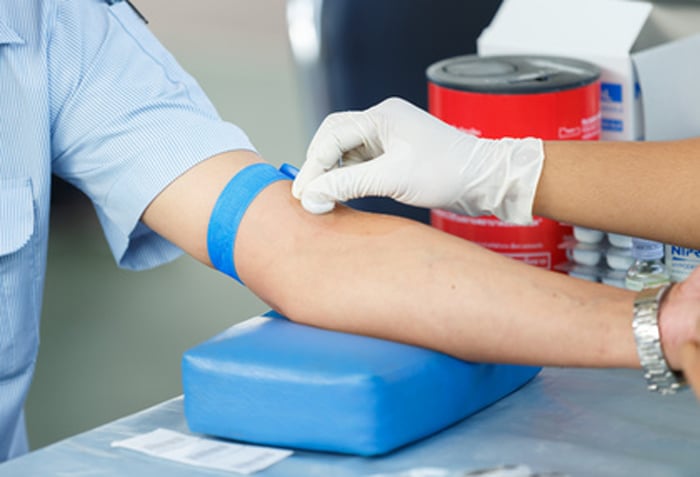
Phlebotomy, the process of drawing blood from patients for laboratory testing, blood donations, or other medical purposes, is an essential medical procedure. Certified phlebotomists are trusted healthcare professionals who possess the necessary skills to perform blood draws accurately and safely.
While hands-on training is vital,certification verifies your competence and commitment to high standards. It demonstrates your ability to follow protocols, practice safety measures, and communicate effectively with patients-all critical skills in medical drawing and healthcare delivery.
What Is Phlebotomy Certification?
Definition and purpose
Phlebotomy certification is a credential awarded after completing specialized training, passing a certification exam, and demonstrating proficiency in blood collection techniques. It serves as proof of your ability to perform venipuncture and capillary draws professionally and safely.
Why Is Certification Important?
- Professional Credibility: Certification adds credibility to your profile and reassures employers and patients of your skills.
- Career Advancement: Many healthcare facilities prefer or require certified phlebotomists for employment and promotions.
- Legal and Safety Compliance: Certified professionals are familiar with industry-standard safety protocols, reducing risks of infection or injury.
- Higher Earning Potential: Certification can lead to higher salaries and job stability.
Steps to Obtain Phlebotomy Certification
1. Meet Prerequisite Qualifications
Most certification programs require applicants to:
- Be at least 18 years old
- Possess a high school diploma or GED
- Complete a certain number of blood draws or practical training hours
2. Complete Approved Phlebotomy Training Program
Choose accredited programs offered by community colleges, vocational schools, or technical institutes.These programs cover anatomy, blood collection techniques, safety procedures, and patient interaction.
3. Gain Practical Experience
Most certifications require hands-on training through supervised clinical practice. This experience is vital for building confidence and competence.
4. Pass the Certification Exam
Common certifying agencies include:
| Certification Agency | Exam Name | Validity Period |
|---|---|---|
| American Society for Clinical Pathology (ASCP) | Certified Phlebotomy Technician (CPT) | 3 years |
| National Healthcareer Association (NHA) | Certified Phlebotomy Technician (CPT) | 3 years |
| American Medical Technologists (AMT) | registered Phlebotomy Technician (RPT) | 3 years |
5. Maintain Certification
Renewal typically involves completing Continuing Education Units (ceus), re-examination, or both, ensuring you stay updated with industry standards.
Benefits of Becoming a Certified Phlebotomist
Enhanced Job Opportunities
Certification broadens your employment options across hospitals, clinics, diagnostic labs, and blood donation centers.
Increased Earning Potential
Certified professionals often command higher salaries compared to uncertified colleagues.
Professional Recognition and Confidence
Holding a certification boosts your confidence in performing procedures and interacting with patients.
Job Security and Career Growth
Certification is often a prerequisite for advancement into supervisory or specialized roles.
Practical Tips for aspiring Phlebotomists
- Choose the Right Training Program: Accreditation matters. Look for programs approved by recognized agencies.
- Practice, Practice, Practice: Gain as much hands-on experience as possible during training.
- Develop Excellent Patient Communication Skills: Patients might potentially be anxious; reassuring professionalism makes a difference.
- Stay Informed About Industry Standards: Keep up-to-date with safety protocols and technological advancements.
- Plan for Certification Exam Preparation: Use practice tests and study guides to boost your confidence.
Real-World Case Studies
Case Study 1: Transition to a Specialized Role
Jane, a certified phlebotomist, decided to specialize in pediatric blood draws. Her certification and specialized training enabled her to work effectively with children and earn a higher wage. Her story illustrates how certification facilitates career growth and specialization opportunities.
Case Study 2: Overcoming Challenges
Mike faced initial difficulties with patient interactions but improved through communication courses and hands-on practice. His certification process and perseverance increased his confidence and employability, showcasing the importance of continuous learning in this field.
First-Hand Experience in medical Drawing
Starting your journey as a phlebotomist involves hands-on experience that enhances your technical skills and patient rapport. Many training programs include clinical rotations, where you learn to handle real patients in a supervised setting. Developing steady hands, a calm demeanor, and clear communication are vital for success in medical drawing, making certification a valuable partner in professional progress.
Conclusion
Whether you’re just starting or seeking to advance your career in healthcare, phlebotomy certification is a crucial step toward achieving your goals. It signifies your proficiency, commitment, and readiness to serve patients with care and professionalism. As the demand for healthcare services grows, certified phlebotomists are increasingly sought after, offering promising job stability, competitive salaries, and opportunities for career growth. Embrace the certification journey today and unlock your potential in the world of medical drawing and healthcare!