Mastering Phlebotomy Practice: Essential Tips for Aspiring Healthcare Professionals
Introduction
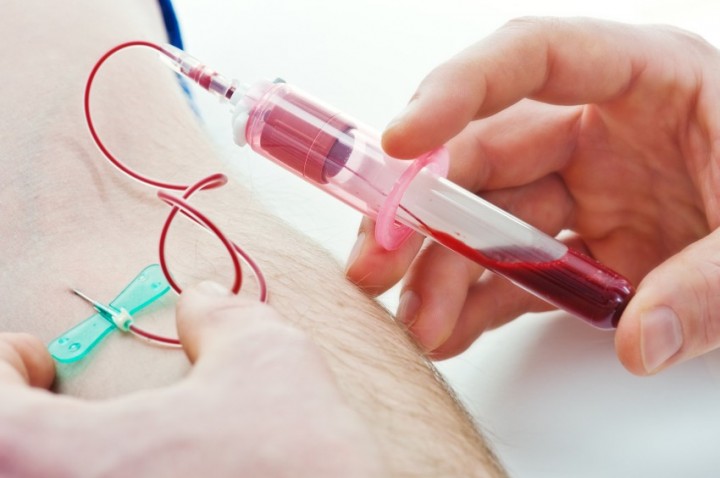
Embarking on a career in healthcare often means mastering the art of phlebotomy-the process of drawing blood samples for testing, donation, or research. As an aspiring healthcare professional, honing your phlebotomy skills is crucial for providing safe, efficient, and compassionate patient care.This thorough guide offers valuable tips, best practices, and practical advice to help you excel in blood collection procedures and build confidence in your abilities.
Why is Mastering Phlebotomy Essential for Healthcare Professionals?
Phlebotomy is more than just drawing blood; it’s a vital skill that directly impacts diagnostic accuracy, patient safety, and overall healthcare quality. Skilled phlebotomists ensure specimen integrity, minimize patient discomfort, and reduce the risk of complications such as hematoma or infections. For aspiring healthcare workers, developing proficiency in phlebotomy fosters trust with patients and elevates your professional competence.
Core Areas to Focus on in Phlebotomy Practice
- Understanding Anatomy and Venipuncture Technique
- Patient Preparation and Identification
- Equipment Mastery and Handling Supplies
- Infection Control and Safety Protocols
- Post-Procedural Care and Sample Handling
Benefits of Proper Phlebotomy Practice & Practical Tips
Benefits
- Ensures Accurate Laboratory Results
- Reduces Patient Discomfort and Anxiety
- Minimizes the Risk of Complications
- Builds Trust with Patients and Supervisors
- Enhances Your Professional Reputation
Practical Tips for Aspiring Phlebotomists
- Prepare Your Equipment: Always check your supplies before patient arrival to ensure sterility and completeness.
- Communicate Clearly: Explain each step to the patient to ease anxiety and foster cooperation.
- Choose the Correct Collection Site: The antecubital vein is moast common, but alternative sites might potentially be needed.
- Use Proper Technique: Maintain aseptic conditions, insert the needle at the correct angle (about 15-30 degrees), and apply gentle pressure.
- Handle Samples Carefully: Label specimens accurately and transport them following proper protocols.
- Adhere to Safety Protocols: Wear gloves, dispose of sharps properly, and wash hands thoroughly.
Step-by-Step Guide to Effective Phlebotomy
1. Patient Identification and Preparation
- Verify patient identity using two identifiers (name and date of birth).
- Assess the patient for any allergies or medical conditions.
- Ask about fasting or medication restrictions if relevant.
2. Equipment Setup
- Gather necessary supplies: gloves, needles, evacuated tubes, alcohol swabs, tourniquet, gauze, adhesive bandage.
- Inspect all equipment for damage or contamination.
3. Site Selection and Preparation
- Apply the tourniquet approximately 3-4 inches above the chosen vein.
- palpate the vein gently to assess its size and position.
- Disinfect the area with an alcohol swab and let it dry.
4. Blood Collection
- Insert the needle at a 15-30 degree angle, bevel up.
- Ensure proper stabilization of the needle and collection tube.
- Remove the tourniquet once blood flow is established.
- Fill the tubes in the correct order if multiple samples are collected.
5. Post-Collection and Labeling
- Withdraw the needle smoothly and apply pressure with gauze to prevent bleeding.
- Secure the bandage and label samples promptly with patient details.
- Ensure samples are transported according to laboratory standards.
Real-Life Case Studies and Personal Experiences
| Scenario | Challenge | Solution & Lesson |
|---|---|---|
| Patient with fragile veins | difficulty locating a suitable vein, risk of collapse | Used a warming pad to engorge veins, selected alternative site, practiced gentle palpation |
| An anxious patient | Patient movement caused missed vein or injury | Explained procedure thoroughly, reassured patient, and asked them to stay still |
| sample contamination | Blood sample compromised due to improper handling | Followed strict labeling and handling protocols, trained in specimen transport |
Important Considerations & Avoiding Common Mistakes
- Avoid Using the Same Needle Twice: Always use sterile equipment for each patient.
- Don’t Rush the Procedure: patience reduces patient discomfort and errors.
- Stay Calm and Professional: A confident demeanor reassures the patient and improves outcomes.
- Remember Patient Comfort: Use a vein that is accessible and minimizes pain.
Advancing Your skills: Certification & Continuing Education
Obtaining certification through recognized bodies such as the National Healthcareer Association (NHA) or American society for Clinical Pathology (ASCP) enhances credibility and job prospects. Additionally, ongoing education through workshops, online courses, and hands-on training keeps your skills sharp and up-to-date with the latest practices.
Conclusion
Mastering phlebotomy practice is a vital step towards becoming a competent and confident healthcare professional.By understanding key techniques, adhering to safety protocols, and continually honing your skills through real-world experience and ongoing education, you can ensure accurate blood collection and foster trust with your patients. Remember, every successful blood draw is an chance to deliver quality care and make a positive difference in someone’s health journey. Stay committed, stay compassionate, and master the art of phlebotomy.