Complete Guide too a Phlebotomist Description: Duties, Skills, and Career Insights
Are you considering a career in healthcare or seeking an essential medical profession? If so, understanding the role of a phlebotomist can open up a rewarding pathway. This comprehensive guide provides all the necessary information about the phlebotomist job description, including their key duties, required skills, career prospects, and practical insights to help you succeed in this vital healthcare profession.
What is a Phlebotomist?
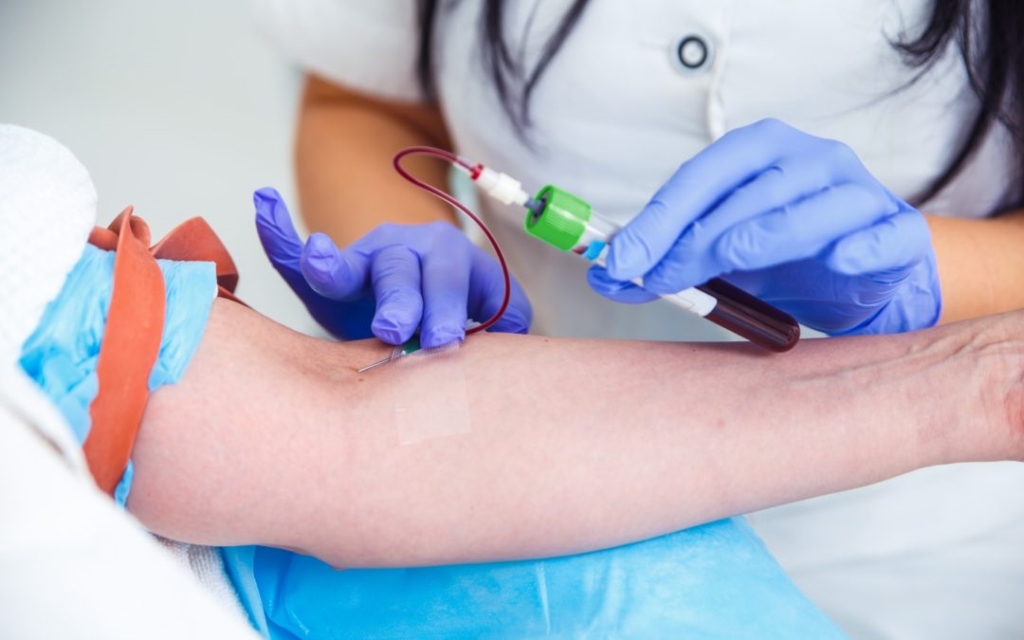
A phlebotomist is a trained healthcare professional specializing in collecting blood samples from patients for laboratory testing, blood donations, transfusions, or research. Their role is crucial in diagnosing medical conditions, monitoring patient health, and supporting medical research. The accuracy and professionalism of a phlebotomist directly impact the effectiveness of diagnostic tests and patient care quality.
Key Duties of a Phlebotomist
Primary Responsibilities
- Collect blood samples from patients using venipuncture, capillary, or arterial methods
- Label and handle blood samples correctly according to protocols
- Ensure patient comfort and provide reassurance during blood collection
- Maintain a sterile and organized environment to prevent contamination
- Prepare samples for transportation to laboratories
- Record patient information accurately within health records
- Follow safety procedures and handle biohazard materials responsibly
Additional Duties
- Assist in patient registration and answering inquiries
- Maintain inventory of supplies and order new materials as needed
- Ensure adherence to healthcare regulations and privacy laws
- Participate in continuing education to stay updated on best practices
Essential Skills and Qualities for a Phlebotomist
To excel as a phlebotomist, certain skills and personal qualities are essential. These traits enable professionals to perform their duties efficiently while ensuring patient safety and comfort.
Technical Skills
- Venipuncture proficiency: ability to draw blood accurately and efficiently
- Knowledge of laboratory procedures: Understanding sample handling and storage protocols
- patient identification skills: Ensuring samples are correctly matched to patients
- Infection control: Familiarity with sterilization and biohazard safety
Interpersonal skills
- Communication: Clear, compassionate interaction with patients
- Empathy: Comforting anxious or nervous patients
- Attention to detail: Ensuring proper labeling and sample integrity
- Patience: Managing arduous or scared patients calmly
Personal Qualities
- Professionalism and ethical conduct
- Steady hand and physical dexterity
- Ability to work under pressure
- Adaptability to busy healthcare environments
Career Path and Opportunities for Phlebotomists
The role of a phlebotomist offers a promising career starting point in healthcare.With experience and additional education, opportunities to advance into specialized fields or administrative roles are available.
| Career Level | Opportunities |
|---|---|
| Entry-Level | Perform blood draws, assist labs, gain hands-on experience |
| Senior Phlebotomist | Supervise teams, train new staff, specialize in difficult draws |
| Career Advancement | Transition into medical assisting, nursing, or laboratory technician roles |
Benefits of Being a phlebotomist
- Stable job outlook: Growing demand in healthcare facilities
- Help patients: Play a vital role in medical diagnosis and treatment
- Flexible schedules: Opportunities for part-time and shift work
- Minimal educational requirements: Certification programs are accessible
Practical tips for Aspiring Phlebotomists
- Enroll in accredited phlebotomy training program and obtain certification
- Develop strong communication and interpersonal skills
- Practice proper safety and hygiene procedures diligently
- Gain experience in diverse healthcare settings to broaden skills
- Stay current with new techniques and industry standards through continuing education
Case Study: From Training to Patient Care
Maria, a certified phlebotomist, started her career with a two-month training program. She quickly learned the importance of gentle handling and clear communication. In her first few days, she earned a reputation for making nervous patients feel agreeable. Over time,Maria advanced to lead phlebotomist,training new staff and streamlining sample collection procedures. Her dedication not only improved patient satisfaction but also contributed to faster lab processing times.
First-Hand Experience: Challenges and Rewards
One of the most rewarding aspects of being a phlebotomist is making a difference in patient care-especially when patients are anxious or scared. Challenges include locating veins in difficult cases, managing patient fears, and maintaining safety standards. However, the sense of accomplishment when successfully collecting samples and assisting in diagnoses makes this profession highly fulfilling. Continuous learning and adaptability are key to overcoming obstacles in this dynamic healthcare role.
Conclusion
The role of a phlebotomist is essential within the healthcare industry, serving as the vital link between patients and laboratory diagnostics. With their specialized skills, compassionate approach, and keen attention to detail, phlebotomists provide critical support in medical testing and treatment. Whether you’re just starting your healthcare journey or looking to expand your skill set, a career as a phlebotomist offers stability, growth opportunities, and the chance to make a genuine difference in people’s lives.
If you’re passionate about healthcare and enjoy working closely with people, consider pursuing a career in phlebotomy. With proper training,dedication,and a commitment to excellence,you can thrive in this rewarding profession.