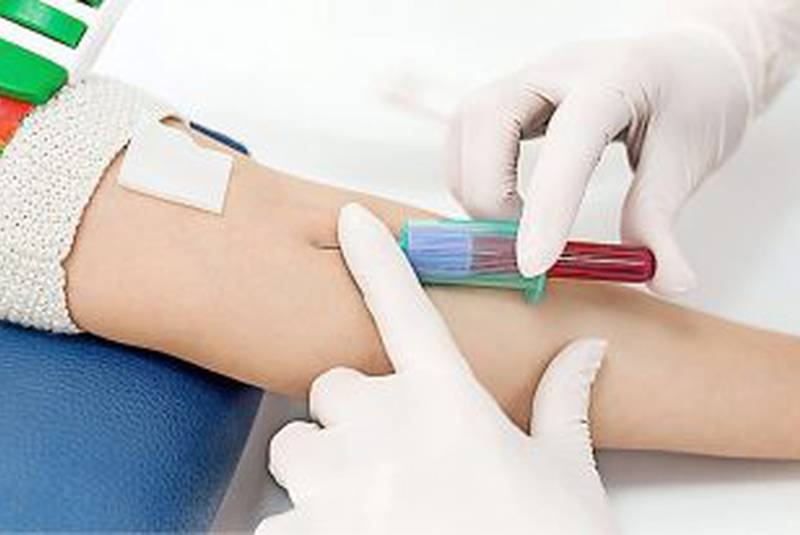
Mastering Phlebotomy Responsibilities: Essential Skills for Accurate Blood Collection
In the dynamic world of healthcare, phlebotomy stands out as a crucial skill that directly impacts patient care and diagnostic accuracy. Whether you’re a seasoned professional or just starting your career as a phlebotomist, mastering the responsibilities involved in blood collection is vital. This comprehensive guide explores the essential skills needed to excel in phlebotomy, ensuring accurate blood samples, patient safety, and enhanced professional confidence. Let’s dive deep into the art and science of effective blood collection.
Understanding the Role of a Phlebotomist
A phlebotomist is trained to draw blood samples from patients for laboratory testing, blood donation, or research purposes. Their responsibilities extend beyond just collecting blood; they ensure patient safety, maintain sample integrity, and promote a cozy environment. Proficiency in phlebotomy skills, infection control, and patient dialog are foundational for success in this role.
Essential Skills for Mastering Phlebotomy Responsibilities
1. Technical Proficiency in Blood Collection Techniques
- venipuncture Skills: Properly locating veins, inserting needles smoothly, and minimizing patient discomfort.
- Capillary (Fingerstick) Collection: Correctly performed for small sample requirements, especially in pediatric or insulin-dependent patients.
- Use of Equipment: handling needles, tubes, tourniquets, and safety devices correctly to prevent accidents or contamination.
2. Knowledge of Anatomy and Physiology
- Understanding vein anatomy and the circulatory system.
- Recognizing potential complications like collapsed veins or nerve damage.
3. Infection Control and Safety Protocols
- Properly wearing personal protective equipment (PPE).
- Adhering to OSHA standards and CDC guidelines.
- Disposing of sharps safely and maintaining a sterile environment.
4. Effective Patient Communication and Empathy
- Explaining procedures clearly to ease patient anxiety.
- Listening actively to patient concerns.
- Maintaining a calm and professional demeanor.
5. Attention to Detail for Sample Labeling and Handling
- Accurately labeling samples immediately after collection.
- following correct transportation and storage procedures.
- Ensuring chain-of-custody is maintained where applicable.
6. Knowledge of Laboratory Requirements and Standards
- Understanding test-specific blood collection needs.
- Compliance with hospital or laboratory policies.
- Staying updated on industry best practices.
benefits of Developing Strong Phlebotomy Skills
Mastering these core responsibilities not only enhances the accuracy of blood tests but also improves patient satisfaction and safety. skilled phlebotomists are vital in diagnosing diseases, monitoring health conditions, and supporting patient care teams. Some benefits include:
- Reduced sample rejection rates due to improper collection.
- Fewer patient complications or discomfort during procedures.
- Increased confidence and employability in healthcare settings.
- Enhanced reputation for the healthcare facility.
Practical Tips for Excelling in Phlebotomy
- Practice Regularly: Hands-on experience sharpens technique and builds confidence.
- Stay Calm and Patient: Approach each patient with empathy, especially those who are anxious or difficult to draw blood from.
- Double-Check Equipment and Labels: Accuracy in sample handling reduces errors and re-tests.
- Know Your patient: Review medical histories for allergies, difficult veins, or bleeding disorders.
- Continued Education: Attend workshops and certification courses regularly to stay current with best practices and safety standards.
Case Study: Successful Blood Collection in Challenging Situations
| Scenario | Challenge | Solution | Outcome |
|---|---|---|---|
| Patient with fragile veins | Difficulty locating and puncturing veins, risk of collapsing veins | Used a smaller gauge needle, applied warm compress, and employed gentle tourniquet submission | Secure blood draw with minimal discomfort, high-quality sample |
| Patient with needle anxiety | High stress and movement during procedure | Explained the process thoroughly, offered distraction techniques, and built rapport | Relaxed patient, efficient blood collection, positive experience |
First-Hand Experience: Lessons Learned in the Field
From my years of working as a phlebotomist, I learned that patience and attention to detail are key. One memorable experience involved a patient with difficult veins. Instead of forcing the blood draw, I employed my training and a gentle approach, which ultimately succeeded. That day reaffirmed that continuous learning and empathy are crucial components of mastering phlebotomy responsibilities.
Conclusion
Mastering phlebotomy responsibilities requires a blend of technical skill, knowledge, and compassionate patient care. By honing essential skills like proper blood collection techniques, infection control, and effective communication, phlebotomists can ensure sample accuracy and safety. With dedication and ongoing education, you can excel in this vital healthcare profession, contributing to accurate diagnoses and improved patient outcomes.Remember, every blood sample you draw is a crucial piece of the diagnostic puzzle-approach it with professionalism, precision, and empathy.