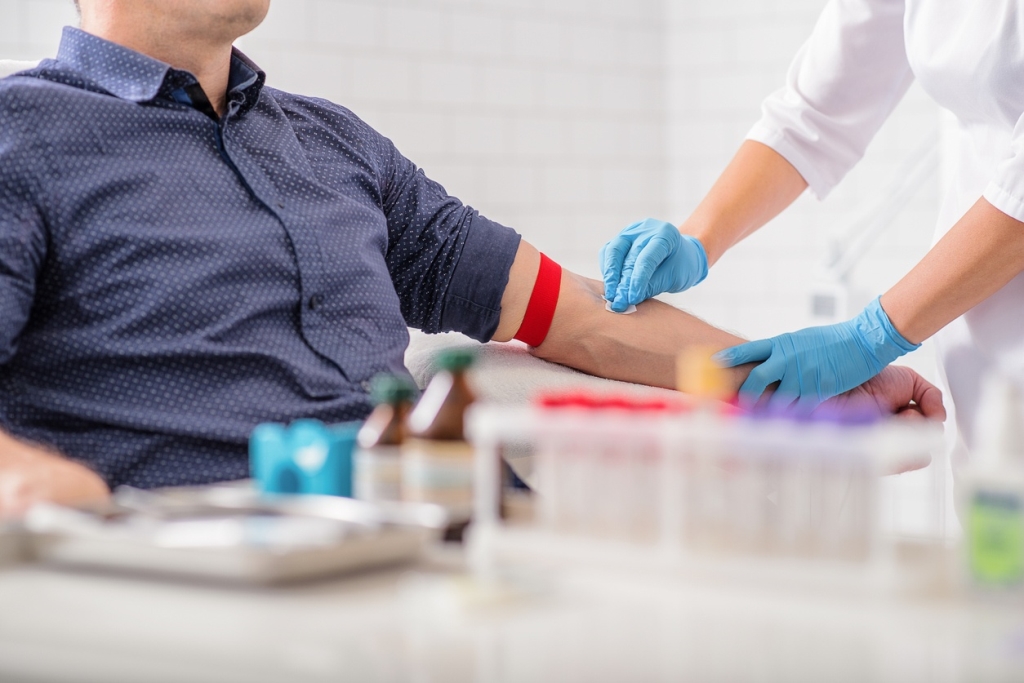
Discover Exciting Opportunities: Top Tips for Landing Your Dream Drawing Blood Job
Are you passionate about healthcare and interested in a fulfilling career in phlebotomy? Landing your dream drawing blood job can open doors to meaningful work, competitive pay, and future advancement in the medical field. whether you are just starting your journey or seeking to elevate your current position, understanding the key steps, benefits, and practical tips is essential for success. In this extensive guide, you’ll find everything you need to know about how to secure your ideal blood drawing position and thrive in this rewarding career path.
Understanding the Role of a Phlebotomist
A phlebotomist specializes in drawing blood samples for laboratory testing, transfusions, donations, or research. This role requires precision, compassion, and attention to hygiene standards. The demand for skilled blood draw technicians continues to grow due to increased healthcare needs, making it a promising career choice.
Why Pursue a Career in drawing Blood?
- High demand and job security: Healthcare facilities continually need trained phlebotomists.
- Entry-level opportunities: Many roles require minimal training but offer room for growth.
- Fulfilling work: Contributing to patient care and health diagnostics.
- Competitive salaries: Enjoy fair pay with potential for overtime and benefits.
- Flexible schedules: Many positions offer part-time and full-time options.
Top Tips for Landing Your Dream Drawing Blood Job
1. Obtain Relevant Certification and Education
Most employers prefer or require certification in phlebotomy from accredited programs. Here’s what you should focus on:
- Certified Phlebotomy Technician (CPT): Enroll in approved training programs that cover anatomy, blood collection techniques, and safety protocols.
- CPR Certification: Many positions require up-to-date CPR training.
- Continuous Education: Keep learning to stay current with industry standards and new technologies.
2. Develop Practical Skills and Hands-on Experiance
Practical experience enhances confidence and resumes. Seek internships,externships,or volunteer opportunities in clinics,hospitals,or labs. Practice proper venipuncture techniques, patient interaction, and hygiene procedures.
3. Build a Strong Resume and Cover Letter
Highlight relevant education, certifications, practical experience, soft skills (like communication and patience), and any specialized procedures you’re familiar with. Tailor each submission to match the specific employer’s needs.
4. Prepare for Interviews
Be ready to demonstrate your technical skills, problem-solving abilities, and compassionate approach to patient care. Practice common interview questions and prepare scenarios showcasing your professionalism and adaptability.
5. Network within the Healthcare Industry
Attending industry events, joining professional associations like the American Society for clinical Pathology (ASCP), and connecting with mentors can open doors to opportunities and valuable advice.
Benefits of Becoming a Phlebotomist
Choosing a career in drawing blood offers numerous benefits beyond job satisfaction:
- Stable employment prospects: The healthcare sector remains resilient even during economic downturns.
- Opportunities for advancement: Transition into supervisory, teaching, or specialized roles like donor technician.
- Personal growth: enhances interpersonal skills and medical knowledge.
- Work-life balance: Many positions offer flexible hours to suit your lifestyle.
Practical tips to Enhance Your Job Search
- Utilize online job boards: Websites like Indeed, Glassdoor, and healthcare-specific portals frequently enough list phlebotomy roles.
- Apply locally: hospitals, clinics, diagnostic labs, blood banks, and mobile blood drives are excellent places to look.
- Develop a professional online presence: Make use of LinkedIn to connect with industry insiders and showcase your skills.
- Follow up: After applications and interviews,send thank-you notes to reinforce interest.
Case Study: From Novice to Expert
Meet Sarah: A Journey in Phlebotomy Success
Sarah started with an entry-level certification and volunteered at local clinics. With consistent practice and networking, she secured a full-time position at a reputable hospital.Over time,Sarah specialized in pediatric phlebotomy,increasing her value and income. Her commitment to ongoing learning and patient care made her a sought-after professional in her community.
First-Hand Experience: What It’s Really Like
Most prosperous phlebotomists agree that the job is as rewarding as it is challenging. The key to success lies in patience, steady hands, empathy, and continuous learning. Building rapport with patients, especially those anxious or scared, is crucial and can lead to positive job reviews and career growth.
Conclusion
Landing your dream drawing blood job is an achievable goal with the right planning, skills, and mindset. By obtaining proper certification, gaining practical experience, networking effectively, and staying committed to excellence, you can forge a fulfilling career in healthcare. The demand for skilled phlebotomists continues to rise, making this profession not only rewarding but also stable and promising for the future. Start your journey today and discover exciting opportunities in the thriving field of blood collection technology!
Quick Summary Table: Top Tips for Your Phlebotomy Career
| Tip | Description |
|---|---|
| Get Certified | Complete an accredited phlebotomy training program and earn certification. |
| Gain Practical Experience | Volunteer or intern to develop confidence and skills in blood draw techniques. |
| Develop Soft Skills | Enhance communication,patience,and empathy to excel with patients. |
| Network Actively | Join industry associations and attend clinics or career fairs for opportunities. |
| Stay Informed | Keep up with industry trends,new technologies,and ongoing education. |