How to Launch Your Career in Phlebotomy: Ultimate Guide to Studying and Certification
Starting a career in phlebotomy can be an exciting, rewarding step into the healthcare field. As a phlebotomist, you’ll play a critical role in patient care by collecting blood samples for testing, diagnosis, and treatment. If you’re considering this profession, you’re in the right place! this extensive guide will walk you through the essential steps to study for a phlebotomy career, obtain certification, and set yourself up for success in this thriving healthcare niche.
Understanding the Role of a Phlebotomist
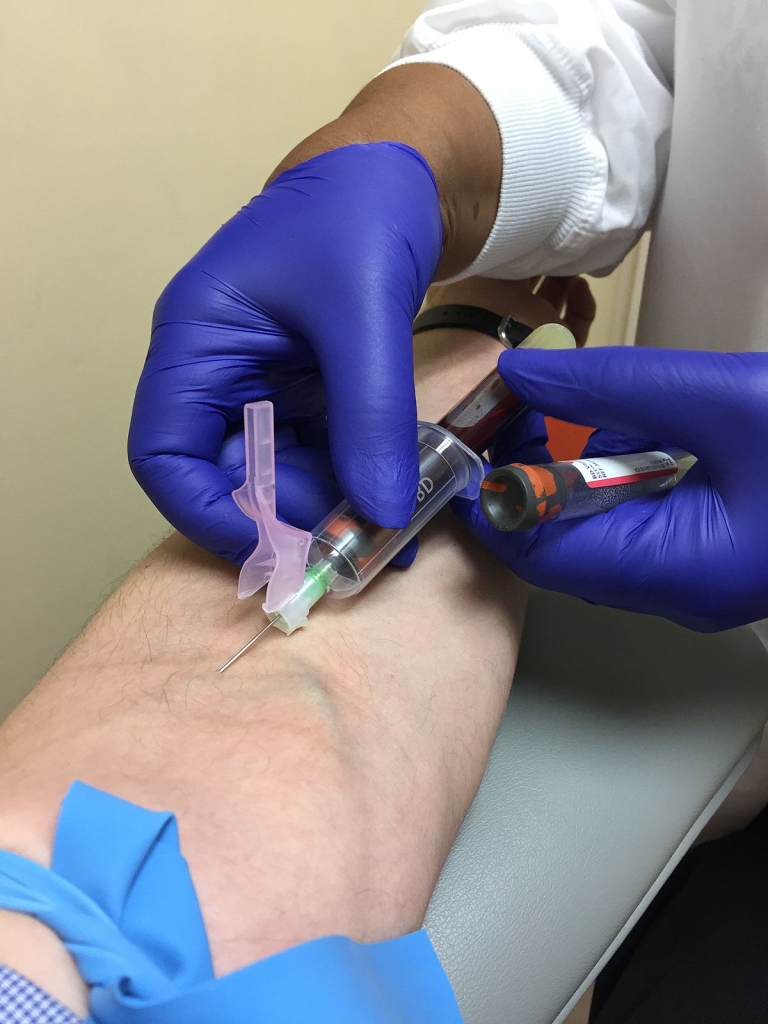
Before diving into the studying and certification process,it’s helpful to understand what a phlebotomist does and why their job is vital. Phlebotomists are trained healthcare professionals responsible for collecting blood specimens from patients. Their work supports doctors and lab technicians in diagnosing and treating various health conditions. Key responsibilities include:
- Properly collecting blood samples using needles and collection tubes
- Ensuring patient comfort and safety during the procedure
- Labeling and handling specimens accurately
- Maintaining sterile and organized collection areas
- Following strict safety protocols and OSHA regulations
Benefits of Becoming a Certified Phlebotomist
Choosing a career in phlebotomy offers numerous advantages:
- High demand: Healthcare facilities constantly need skilled phlebotomists.
- Short training period: Certification programs can often be completed within a few months.
- Entry-level accessibility: Many programs accept candidates with a high school diploma or GED.
- Good earning potential: The median annual wage for phlebotomists varies by location but tends to be competitive.
- Opportunities for advancement: Experience can led to supervisory or specialized roles.
Step-by-Step Guide to Starting Your Career in Phlebotomy
1. Research State and National Requirements
Phlebotomy requirements can differ depending on your state or country. Some states require certification, while others have specific licensing requirements. It’s essential to consult your local health department or regulatory board to understand the legal prerequisites for practicing as a phlebotomist in your area.
2.Enroll in a Recognized Phlebotomy Training Program
Choose an accredited training program that covers:
- Basics of human anatomy and physiology
- Blood collection techniques
- Infection control and safety protocols
- Patient interactions and dialog skills
- Laboratory procedures and handling of specimens
These programs are offered at community colleges, technical schools, and vocational institutions. Some online courses also exist but should include hands-on training components.
3. Complete practical Skills Training
Hands-on practice is crucial in phlebotomy training. Ensure your program offers clinical externships or lab practice where you can develop your skills under supervision.
4.Prepare for the Certification Exam
Most aspiring phlebotomists pursue certification through reputable organizations. The National Phlebotomy Association (NPA), American Society for Clinical Pathology (ASCP), and National Healthcareer Association (NHA) provide certification exams.
| Certification Body | Requirements | Exam Details |
|---|---|---|
| ASCP | Complete a training program & 1,040 hours of practice | Multiple-choice, 2 hours |
| NHA | High school diploma + 40 hours of training & 100 accomplished sticks | Multiple-choice, 2 hours |
| NPA | Training + practical experience | Multiple-choice & practical assessment |
5. Take and Pass Your Certification Exam
Prepare thoroughly by reviewing your training materials, practice tests, and mock exams.Passing the certification exam validates your skills and enhances your credibility in the field.
6. Apply for Phlebotomy Jobs
After certification,create a professional resume and apply to hospitals,clinics,laboratories,and blood donation centers.Leverage online job boards, hospital career portals, and networking opportunities.
First-Hand Experience and Practical Tips
Gaining Real-World Experience
Many training programs include clinical externships, which are invaluable for building confidence and practical skills. If possible, seek volunteer opportunities or internships in healthcare settings to gain additional experience.
Practical Tips for aspiring Phlebotomists
- Practice frequently: The more you practice blood draws, the more pleasant you’ll become.
- Prioritize patient comfort: Use calming communication and gentle techniques.
- Stay organized: Maintain proper labeling and documentation for all specimens.
- Keep learning: Stay updated on latest procedures and safety guidelines.
- Network with professionals: Join associations and attend industry events for mentorship and job opportunities.
Common Challenges and How to Overcome Them
Starting a career in phlebotomy might come with hurdles such as arduous patients or needle phobias. Approaching these challenges with patience, empathy, and proper training will help you succeed. remember, every difficulty is an possibility to improve your skills and build resilience.
Case Studies: Success Stories in Phlebotomy
Emily’s Journey to Becoming a Certified Phlebotomist
Emily started her journey after completing a high school diploma. She enrolled in an accredited course, completed her clinical training, and obtained certification from NHA. Today, she works at a bustling hospital’s laboratory and plans to specialize in pediatric blood collection. Her story illustrates the accessible pathway into healthcare and the rewarding nature of the profession.
Conclusion: Embark on Your Phlebotomy Career today!
Launching a career in phlebotomy is an achievable goal for many with the right training, certification, and dedication. The healthcare industry continues to grow, ensuring a steady demand for skilled phlebotomists. By understanding the necessary steps-from choosing the right training program to passing your certification exam-you’ll be well on your way to a fulfilling and stable career. Start today, and take the first step toward becoming a vital part of patient care and medical diagnostics!