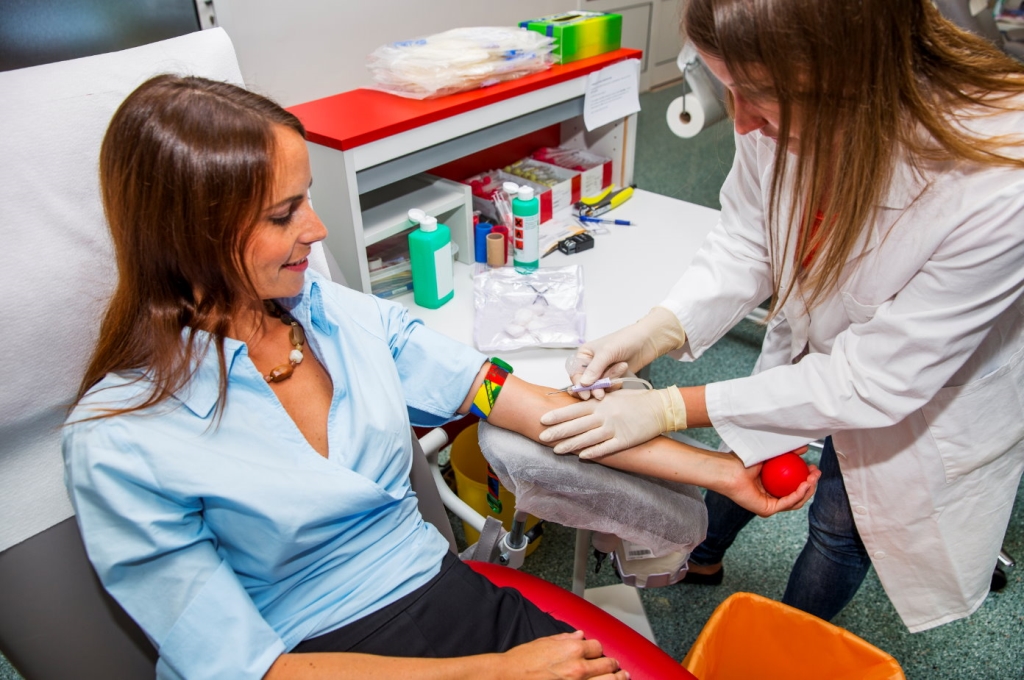
Mastering Phlebotomy: Essential Tips for Safe and Effective Blood Draws
Phlebotomy-the practice of drawing blood-is a essential skill in the healthcare industry. Whether you’re a seasoned technician or new to the field, mastering phlebotomy is crucial for ensuring patient safety, obtaining accurate laboratory results, and maintaining professional standards. In this comprehensive guide, we’ll explore essential tips for performing safe, efficient, and effective blood draws, along with practical advice, benefits, case studies, and first-hand experiences to elevate your skills.
Introduction to Phlebotomy
Phlebotomy involves the collection of blood samples for diagnostic testing, transfusions, or research purposes. Proper technique is vital to prevent complications such as hematomas, infections, or failed draws. The goal is to minimize patient discomfort while maximizing sample accuracy and safety.
Why Mastering phlebotomy Is Critically important
- Patient safety: Preventing infections and injuries during blood collection.
- Accurate results: Ensuring high-quality, uncontaminated samples for reliable testing.
- Professional confidence: Building trust with patients and colleagues.
- Career advancement: Developing skills that are highly valued in healthcare settings.
essential Tips for Safe and Effective Blood Draws
1. Prepare Your Equipment and Habitat
- Ensure all necessary supplies are ready, including sterile needles, venipuncture tubes, alcohol swabs, gloves, tourniquets, and labels.
- Maintain a clean and organized workspace to prevent contamination.
- Check expiration dates and the integrity of your collection devices.
2. Prioritize patient Comfort and Communication
- Explain the procedure clearly to the patient to reduce anxiety.
- Ask about allergies, such as latex or antiseptics.
- Position the patient comfortably, usually sitting or lying down.
- Use a calm, friendly tone to reassure the patient throughout the process.
3. Proper Site Selection and Readiness
| Site | Comments |
|---|---|
| Median Cubital Vein | #Best choice; visible, large, less painful |
| Basilic Vein | Deeper, more painful, higher risk of nerve injury |
| Cephalic Vein | Good choice; more lateral, may be harder to locate |
- Don’t stick to bruised, swollen, or scarred sites.
- Use alcohol swabs to clean the site and allow it to dry entirely.
4. Correct Technique and Needle Insertion
- Apply the tourniquet properly-about 3-4 inches above the site for no more than 1 minute.
- Insert the needle at a 15-30 degree angle with a steady hand.
- Once blood flows, release the tourniquet before removing the needle.
- Withdraw the needle smoothly and apply pressure to prevent bruising.
5. Handling and Labeling Samples
- Fill the collection tubes in the correct order if multiple tubes are used.
- Ensure labels are correctly filled with patient details immediately.
- Check for hemolysis or hemoconcentration signs before dispatching to labs.
6. Post-Procedure Care
- Apply gentle pressure with sterile gauze until bleeding stops.
- Place a bandage over the site for patient comfort and protection.
- Advise patients to keep the bandage on for a few hours and watch for signs of infection or bleeding.
Benefits of Following Best phlebotomy Practices
- Minimized patient discomfort: Gentle techniques reduce pain and anxiety.
- Improved sample integrity: Proper handling prevents contamination or hemolysis.
- Decreased risk of complications: Correct site and technique reduce hematomas, nerve injuries, and infections.
- Enhanced professional reputation: Accuracy and care build trust with healthcare teams and patients.
Practical Tips for Aspiring Phlebotomists
- Regularly refresh your skills through practice and training sessions.
- Stay updated on the latest guidelines from organizations like the CLSI or CDC.
- Develop a systematic approach-from patient interaction to sample handling.
- document each procedure meticulously for quality control and legal reasons.
- Engage in peer reviews or mentorship programs to receive constructive feedback.
Case Studies: Successes in Phlebotomy
Case Study 1: Improving Patient Comfort
In a community clinic, repeated unsuccessful blood draws caused patient anxiety.Implementing a training session focused on site selection, patient communication, and gentle technique reduced failed attempts by 30%, improving patient satisfaction considerably.
Case Study 2: Reducing Hemolysis Rates
A hospital observed high hemolysis rates affecting test accuracy. By standardizing collection protocols-using proper needle sizes, gentle handling, and timely sample transport-they decreased hemolysis incidents by 25%, ensuring more reliable results.
First-hand Experience: Tips from a Pro
“One of the most critically important lessons I learned was the value of patience and preparation. Rushing leads to errors and discomfort.Taking time to select the right site,explaining each step to the patient,and maintaining a calm demeanor can make all the difference in performing prosperous blood draws.”
conclusion
Mastering phlebotomy is a blend of technical skill, patient care, and attention to detail.By incorporating these essential tips-ranging from proper site selection to sample handling-you can ensure safe, efficient, and effective blood draws. Continuous practice, staying informed of best practices, and a compassionate approach not only enhance your competence but also improve patient outcomes. Whether you are new to the profession or seeking to refine your skills, embracing these principles will lead to greater confidence and success in your phlebotomy endeavors.