Ultimate Guide to Earning Your Phlebotomy Instructor Certification: boost Your Career in Medical Education
Are you passionate about phlebotomy and eager to share your expertise with aspiring medical professionals? Earning your phlebotomy instructor certification is a crucial step to elevate your career in medical education and make a meaningful impact in the healthcare industry. This comprehensive guide will walk you through the essential steps,benefits,practical tips,and real-life insights to help you become a certified phlebotomy instructor with confidence.
Introduction: Why Become a Certified Phlebotomy Instructor?
In the rapidly growing healthcare sector, qualified phlebotomy instructors are in high demand. They play a vital role in training the next generation of phlebotomists, ensuring safety, accuracy, and professionalism in blood collection procedures. Certification not only enhances your credibility but also opens doors to advanced teaching opportunities, higher salaries, and professional growth within medical education.
Understanding the Role of a Phlebotomy Instructor
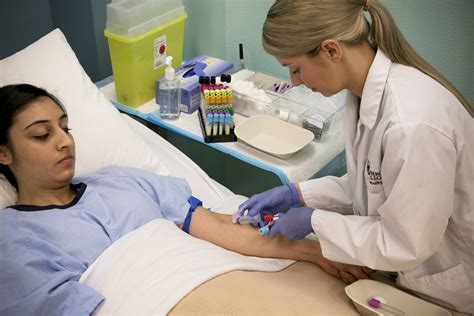
A phlebotomy instructor is responsible for teaching students proper blood collection techniques, ensuring compliance with health and safety standards, and preparing learners for certification exams. This role demands a combination of practical experience, instructional skills, and current knowledge of blood drawing procedures.
Prerequisites for Earning Your Phlebotomy instructor Certification
Essential Qualifications
- Minimum of 1-2 years of professional experience as a licensed phlebotomist.
- Current Phlebotomy Technician Certification from a recognized certifying body (e.g., ASCP, NHA).
- Strong understanding of phlebotomy procedures and safety protocols.
- Effective dialog and teaching skills.
Additional Requirements
- Completion of a phlebotomy instructor training program.
- Myriad healthcare and safety trainings, such as infection control and HIPAA compliance.
- Possibility of a background check, depending on the certifying organization.
Steps to Obtain Your Phlebotomy Instructor Certification
Step 1: Gain Extensive Phlebotomy Experience
Build a solid foundation by working as a licensed phlebotomist, amassing at least 1-2 years of hands-on experience in various clinical settings. This ensures familiarity with diverse patient populations and draws blood under different circumstances.
Step 2: Obtain Certification as a Phlebotomy Technician
Secure certification through a reputable organization like the American Society for Clinical Pathology (ASCP) or the National Healthcareer Association (NHA). Certification verifies your skills and knowledge, vital for teaching roles.
Step 3: Enroll in a Phlebotomy Instructor Training Program
Look for specialized instructor training programs offered by accredited educational institutions or professional certifying bodies. These programs focus on pedagogical techniques, curriculum progress, and assessment methods tailored for healthcare education.
Step 4: Complete the Instructor Certification Exam
Many certifying organizations require passing an instructor-specific exam or submitting a teaching portfolio. Planning involves understanding adult learning theories, curriculum planning, and practical teaching skills.
Step 5: Apply for Your Phlebotomy Instructor Certification
Submit your application with proof of qualifications, experience, and completed training. Some organizations may require an interview or a presentation to demonstrate teaching capabilities.
benefits of Becoming a certified Phlebotomy Instructor
- Enhanced credibility in the healthcare and medical education community.
- Increased earning potential compared to working solely as a technician.
- Opportunities to work in colleges, vocational schools, and hospitals.
- Ability to shape future healthcare professionals and promote best practices.
- Professional growth through ongoing education and specialization.
Practical Tips to Succeed as a Phlebotomy Instructor
- Stay current with industry standards and updates in blood collection techniques.
- Develop effective teaching methods tailored for adult learners.
- Incorporate hands-on training and simulations to enhance learning.
- Build positive relationships with students to facilitate an engaging learning environment.
- Join professional associations like the National Phlebotomy Association (NPA) for networking and resources.
Real-Life Case Study: From Technician to Instructor
| Aspect | Details |
|---|---|
| Experience Gained | 3 years as a clinical phlebotomist in hospital settings. |
| certification achieved | Certified as a phlebotomy Technician by ASCP. |
| Training Completed | Attended a 40-hour Phlebotomy Instructor Certification course. |
| Outcome | Currently teaches at a vocational school and trains new technicians, earning a higher salary and fulfilling a passion for education. |
Additional Resources & Tips for Aspiring Phlebotomy Instructors
- Research accredited instructor training programs.
- Attend workshops and conferences related to medical education.
- Seek mentorship from experienced instructors.
- Continuously improve your teaching skills through feedback and professional development.
- utilize online platforms for sharing knowledge and resources.
Conclusion
Earning your phlebotomy instructor certification is a strategic move that can significantly advance your career in medical education. It requires dedication, experience, and a commitment to ongoing learning. By following the outlined steps, leveraging practical tips, and engaging with professional communities, you can become a respected educator who shapes the future of healthcare practitioners. Embark on this rewarding journey today and unlock new opportunities to influence lives positively while achieving your professional goals.