What Is the Average Salary of a Phlebotomist? Insights & Career Outlook for 2024
If you’re considering a career in healthcare,becoming a phlebotomist can be an excellent choice. this vital role involves collecting blood samples for testing, transfusions, donations, or research. But one of the main questions aspiring phlebotomists ask is, how much do phlebotomists earn? In this thorough guide, we’ll explore the current average salary of a phlebotomist in 2024, factors influencing earnings, career growth prospects, and practical tips to kickstart or advance yoru career in this rewarding field.
Understanding the Role of a Phlebotomist
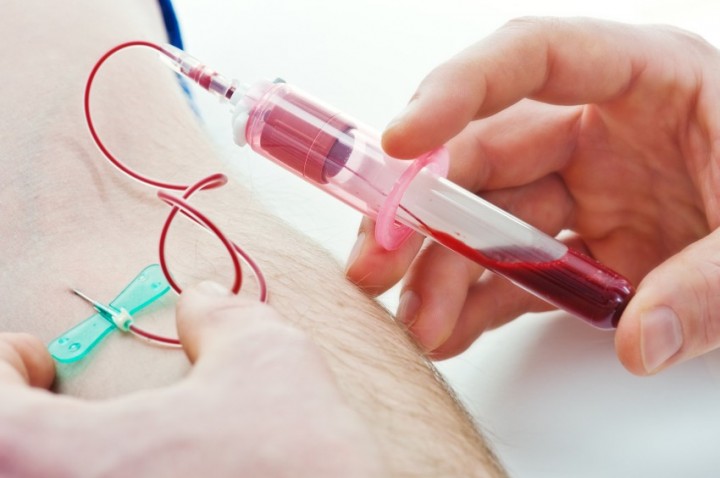
A phlebotomist is a trained healthcare professional responsible for drawing blood from patients for laboratory testing, blood donations, or transfusions. Thier work is crucial for diagnostics, treatment, and research processes in medical facilities. The role requires precision, compassion, and adherence to safety standards, making it an essential part of the healthcare system.
Current Salary Trends for phlebotomists in 2024
Average Salary Overview
As of 2024, the average salary of a phlebotomist in the United States typically ranges from $35,000 to $45,000 annually. According to recent data from the Bureau of Labour Statistics (BLS) and industry reports, the median pay is approximately $40,000 per year. However, salaries can vary significantly based on multiple factors, including location, experience, and employment setting.
Salary by Experience Level
| Experience Level | Average Annual Salary |
|---|---|
| Entry-Level (0-1 years) | $32,000 – $36,000 |
| Mid-Level (2-5 years) | $38,000 – $42,000 |
| Experienced (5+ years) | $43,000 – $50,000 |
Salary Differences Based on Geographic Location
Location significantly impacts phlebotomist salaries. As an example, metropolitan areas and regions with higher living costs often offer higher wages. Here’s a fast overview:
- California: $42,000 – $50,000
- New York: $40,000 – $48,000
- Texas: $35,000 – $43,000
- Florida: $34,000 – $41,000
Note: These figures are approximate and can vary based on specific cities and employers.
Factors Influencing Phlebotomist salaries
1. Education and Certification
Completing a certified phlebotomy training program can boost earning potential. Certifications from recognized bodies like the American society for Clinical Pathology (ASCP) or the National Healthcareer Association (NHA) are highly valued.
2. Work Setting
Phlebotomists employed in hospitals or specialized clinics typically earn more compared to those working in physician’s offices or as mobile collectors.
3. Geographic Location
As highlighted earlier, salaries vary by region due to living costs and demand for healthcare services.
4. Experience and Skills
More experienced phlebotomists with advanced skills such as specimen handling, regulatory compliance, and patient interaction can command higher wages.
Benefits of a Career in Phlebotomy
- Fast Certification process: Training programs can often be completed in less than a year.
- High Job Demand: The healthcare industry continues to grow,increasing employment opportunities.
- Entry-Level Amiable: No extensive college degree required, making it accessible.
- Flexible Work schedules: Opportunities in hospitals, labs, clinics, and mobile services, including part-time roles.
Practical Tips for aspiring Phlebotomists
- Get Certified: Enroll in accredited training programs to improve job prospects and earning potential.
- Gain Experience: Volunteer or seek internships in healthcare settings to build skills.
- Develop Patient Skills: Excellent communication and empathy are key to success.
- Stay Updated: keep current with technological and procedural advancements in phlebotomy.
Case Studies: Real-World Experiences in Phlebotomy
Case Study 1: Rising Earnings in Urban Healthcare Facilities
Jane, a certified phlebotomist working in New York City, started her career earning around $36,000 annually. After five years of experience and additional certification, she now earns over $48,000 and enjoys leadership responsibilities in her clinic.Her story highlights the potential for salary growth with experience and continuous learning.
Case Study 2: Transition from Entry-Level to Specialized Roles
mark began his career as a phlebotomist earning $33,000 in a small-town clinic. He invested in advanced training, obtaining certification in advanced specimen collection techniques. Today, Mark works in a hospital’s vascular access team earning over $50,000 annually, demonstrating the benefits of specialization.
First-Hand Experience: Tips from a Professional Phlebotomist
laura, a seasoned phlebotomist with over ten years in the field, shares her insights:
“Patience and compassion are crucial. Building rapport with patients makes the blood draw smoother and safer. Also, investing in ongoing training pays off in career advancement and higher wages.” – Laura
Career Outlook for 2024 and Beyond
The outlook for phlebotomists remains **positive**. The U.S. Bureau of labor Statistics projects a growth rate of about 8% over the next decade, faster than many other healthcare professions.Factors contributing to this growth include an aging population, increased demand for diagnostic testing, and continuous expansion of healthcare services.
Emerging Opportunities
- Mobile phlebotomy services
- Specialization in pediatric or geriatric blood collection
- Leadership roles in healthcare organizations
- Remote and telehealth-related opportunities
Conclusion
the average salary of a phlebotomist in 2024 is quite promising, especially for those who seek to specialize and gain experience. While entry-level positions start around $32,000, experienced professionals can earn upwards of $50,000 annually.The field offers a balanced mix of quick entry, growth potential, and meaningful impact on patient care, making it a compelling career choice in the healthcare industry.
If you’re passionate about healthcare, enjoy working with people, and seek a career with steady demand and growth, phlebotomy might potentially be the perfect fit. Remember, investing in your certification and skills is key to maximizing your earning potential and advancing your career in this vital healthcare role.