How to Become a Skilled Laboratory Phletotomy Technician: Your Guide to Training & Career Success
If you’re interested in pursuing a rewarding career in healthcare, becoming a laboratory phlebotomy technician is an excellent choice.This vital role involves drawing blood samples, ensuring patient comfort, and supporting accurate disease diagnosis.Whether you’re starting fresh or looking to enhance your skills, this thorough guide will walk you through the essential steps to become a skilled laboratory phlebotomy technician, the benefits of this profession, practical tips, and insights into building a triumphant career.
Understanding the Role of a Laboratory Phlebotomy Technician
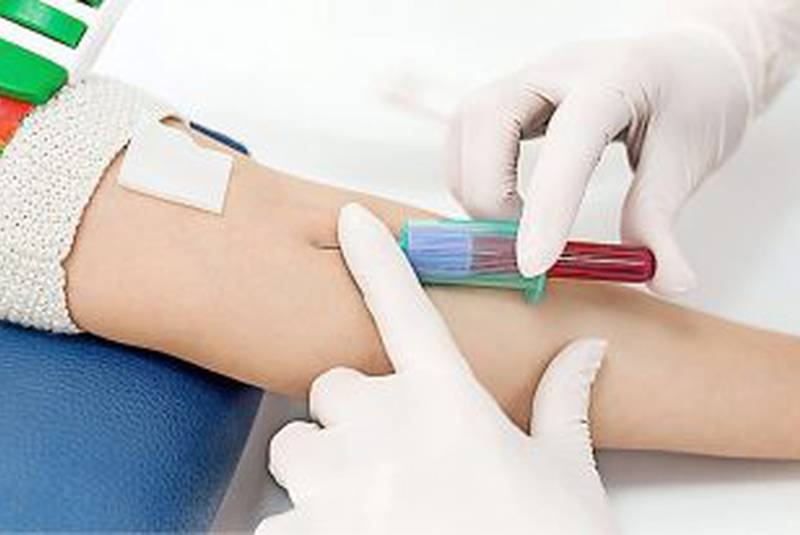
A laboratory phlebotomy technician, also known as a phlebotomist, specializes in drawing blood specimens from patients for laboratory testing. They play a critical role in the healthcare system by ensuring the blood collection process is safe, sterile, and pleasant for patients. The accuracy of blood tests hinges on proper collection techniques, making skilled phlebotomists indispensable to diagnostic laboratories, hospitals, clinics, and blood banks.
Steps to Become a Skilled Laboratory Phlebotomy Technician
1. Meet the Basic requirements
- Minimum of a high school diploma or GED
- Ability to stand for extended periods
- Good communication and interpersonal skills
- Physical dexterity and hand-eye coordination
- Background check and drug screening (if required)
2. Enroll in a Certified Phlebotomy Training Program
Choosing the right training program is crucial.Look for programs accredited by reputable organizations such as the National Accrediting agency for Clinical Laboratory Sciences (NAACLS) or state health departments. These programs offer comprehensive curricula that cover anatomy, venipuncture techniques, safety protocols, and patient care.
3. Complete Hands-On Practicum
Practical experience is vital for building confidence and competence. Most training programs include supervised clinical practice in hospital or laboratory settings. This experience allows you to develop real-world skills in blood collection, handling specimens, and patient interaction.
4. Obtain Certification
certification demonstrates professionalism and increases employability. The most recognized certification for phlebotomists in the U.S. is the Certified Phlebotomy Technician (CPT) offered by organizations such as the American Society for Clinical Pathology (ASCP) or National Healthcareer Association (NHA). Requirements generally include completing a training program and passing an exam.
5. Pursue State Licensure (If Applicable)
Some states require licensure or registration for phlebotomists. Check your state’s specific regulations and ensure you meet all licensing criteria to legally practice as a laboratory phlebotomy technician.
Key Skills and Qualities of a Successful Phlebotomy Technician
- Attention to detail
- Patience and empathy toward patients
- Strong organizational skills
- Ability to handle stressful situations calmly
- Good understanding of safety standards and infection control
Benefits of a Career as a Laboratory Phlebotomy Technician
Embarking on a career as a phlebotomy technician offers numerous advantages, including:
- Growing Job Opportunities: increased demand due to expanded healthcare services and diagnostic testing.
- Relatively Short Training Period: certification programs can often be completed within a few months.
- Rewarding Work Environment: Direct patient contact and contributing to vital health diagnoses.
- Competitive Salary: Entry-level salaries are appealing and increase with experience and specialization.
- Opportunities for Advancement: progression into supervisory roles, training, or specialized laboratory areas.
Practical Tips to Excel as a Phlebotomy Technician
- Practice Regularly: Hone your venipuncture skills through simulations and clinical practice.
- Prioritize Patient Comfort: Use calm communication and gentle techniques to reduce patient anxiety.
- Stay Updated: Continually update your knowledge on safety protocols and new technologies.
- Build Good Relationships: Develop rapport with colleagues and patients for smoother operations.
- Maintain Professionalism: Uphold ethical standards and confidentiality at all times.
Case Study: From Novice to Expert
| phase | Experience & Actions | Outcome |
|---|---|---|
| Starting Out | Completed a 3-month accredited training program and passed certification exam. | Gained foundational skills and confidence in venipuncture procedures. |
| Initial Employment | Worked in a busy hospital laboratory, performing blood draws daily. | Refined skills, learned patient communication, handled challenging draws. |
| Advancement | Obtained additional certification in pediatric phlebotomy. | Promoted to lead technician, mentoring new staff. |
First-Hand experience and Practical Tips
Gaining real-world experience is invaluable. Seek opportunities for internships or volunteer positions in healthcare settings.During this time, focus on:
- building technical skills through repetition and practice
- Developing compassionate bedside manner
- Learning to handle challenging draws and patient anxieties
Conclusion
Becoming a skilled laboratory phlebotomy technician is a fulfilling journey that combines technical expertise with compassionate patient care. By following structured training, obtaining certification, and continuously honing your skills, you can build a successful career in the healthcare industry. Whether you’re just starting or seeking career growth, the demand for qualified phlebotomists offers excellent opportunities. Embrace the learning process, prioritize professionalism, and stay committed to patient well-being—your efforts will lead you toward a rewarding and impactful career in medical laboratory science.