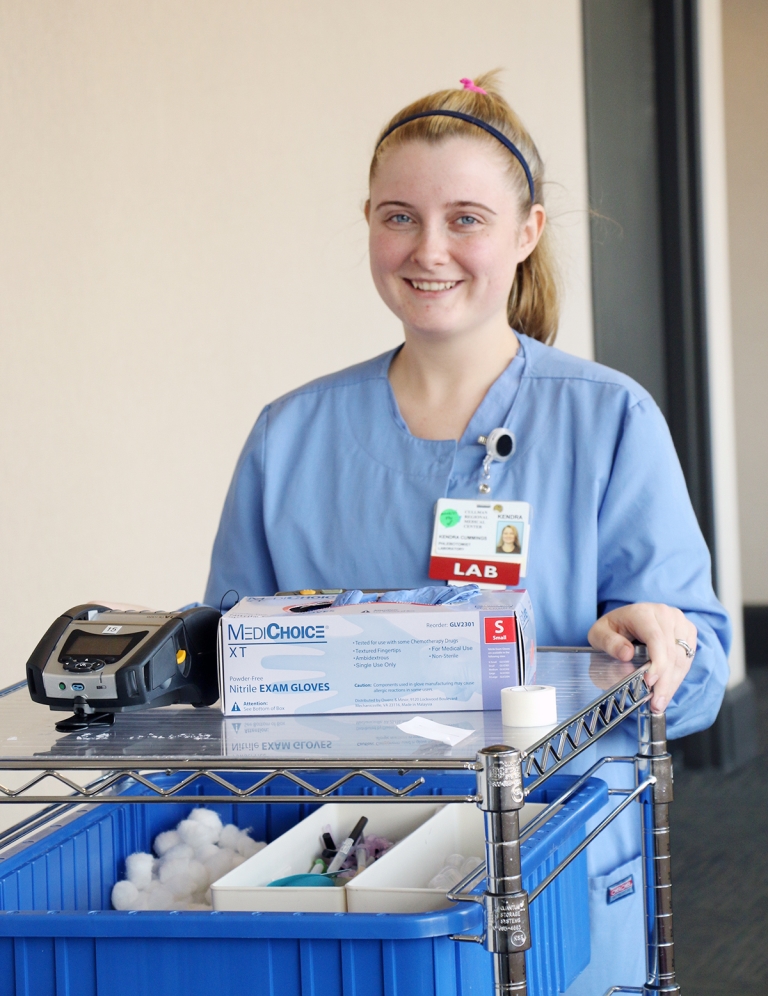
Discover the Latest Average Phlebotomist Salary: what you Can Expect in 2024
If you’re considering a career as a phlebotomist or seeking to understand your earning potential in 2024, you’re in the right place. This thorough guide breaks down the latest salary trends, benefits, practical tips for advancing your career, and real-world insights into what you can expect as a phlebotomist this year. Let’s dive into the details and explore how this vital healthcare profession is evolving financially and professionally.
Understanding the Role and Importance of Phlebotomists
Phlebotomists play a crucial role in the healthcare system by collecting blood samples for testing, transfusions, and donations. Their work is vital for diagnosis, treatment, and disease monitoring. As outpatient clinics, hospitals, laboratories, and blood banks continue to grow, so does the demand for qualified phlebotomists.
With this increased demand, many professionals are curious about salary expectations, job benefits, and career progress opportunities in this field.
What Is the Average Phlebotomist Salary in 2024?
According to recent data from the U.S. Bureau of Labor Statistics and salary aggregator platforms, the average salary for a phlebotomist in 2024 is approximately $37,000 to $42,000 annually. However, this range can vary depending on factors like location, experience, qualifications, and the healthcare facility.
Understanding Salary Variations by Experience
| Experience Level | Hourly Rate | Annual Salary range |
|---|---|---|
| Entry-Level (0-1 years) | $14 - $18 | $29,000 – $37,500 |
| Mid-Level (2-5 years) | $18 – $22 | $37,000 – $45,000 |
| Experienced (5+ years) | $22 – $26 | $45,000 – $53,000 |
Factors Influencing Phlebotomist Salaries in 2024
Several key factors influence how much a phlebotomist can earn this year. Hear’s a swift overview:
- Location: Urban areas and regions with a high cost of living tend to offer higher salaries.
- Certification and Education: Certified phlebotomists often command higher wages.
- Type of Healthcare Facility: Hospitals typically pay more than clinics or blood banks.
- experience and Skill Level: More experienced professionals earn higher salaries.
- Shift Work: night shifts or weekend work might include additional pay or bonuses.
Benefits and Perks for Phlebotomists in 2024
Beyond salary, many healthcare employers offer a range of benefits and perks to attract and retain talent:
- Health Insurance: Medical, dental, and vision coverage.
- Retirement Plans: 401(k) or pension options.
- Paid Time Off: Vacation,sick days,and holidays.
- Continued Education: Opportunities for certification and skill enhancement.
- Flexible Scheduling: Part-time, full-time, or shift-based roles.
- Professional Development: Access to workshops and seminars.
Practical Tips for Increasing Your Phlebotomist Salary in 2024
If you want to boost your earnings this year,consider the following tips:
- Get Certified: Certification from organizations like the American Society for Clinical Pathology (ASCP) can lead to higher pay.
- Gain Experience: Specializing in difficult draws or working in high-demand settings can increase your value.
- Expand Your Skills: Learn related skills like specimen handling or EKGs.
- Seek Opportunities in High-Paying Regions: Consider relocating to cities or states with higher average salaries.
- Negotiate Your Salary: Don’t shy away from discussing compensation during job interviews or annual reviews.
case Study: Career Growth and Salary Progression
Meet Sarah, a certified phlebotomist working in Chicago. She started her career with an annual salary of $35,000. After gaining two years of experience and obtaining advanced certification, her salary increased to $42,000. By taking on additional responsibilities, such as training new staff and working evening shifts, Sarah managed to boost her earnings further. Her story emphasizes the importance of continuous professional development in increasing your salary potential.
First-Hand Experience: A Day in the Life of a Phlebotomist
James, a seasoned phlebotomist in Los Angeles, shares his typical day:
- Morning: Preparing supplies and reviewing patient schedules.
- Midday: Drawing blood from patients, ensuring comfort and safety.
- Afternoon: Labeling samples, updating records, and cleaning workstations.
- evening: Participating in training sessions or community blood drives.
James notes that flexibility, steady skill application, and good patient rapport contribute to his career satisfaction and salary stability.
Conclusion: Your Future as a Phlebotomist in 2024
As we’ve explored, the average phlebotomist salary in 2024 reflects ongoing demand and professional growth opportunities. Whether you’re just starting out or looking to advance your career, understanding salary trends, benefits, and practical tips can help you maximize your earning potential. Investing in certification, gaining experience, and staying adaptable are key to thriving in this rewarding healthcare profession.
If you’re passionate about healthcare and helping people, a career in phlebotomy offers a stable and increasingly lucrative path. Keep honing your skills, explore new opportunities, and stay informed about industry trends to make the most of your career prospects in 2024 and beyond.