Unlock Your Career in Healthcare: How to Get Certified as a Phlebotomist in Seattle
Embarking on a healthcare career can be both exciting and rewarding.If you’re interested in working in a vital medical role that combines patient interaction and diagnostic work, becoming a certified phlebotomist is an excellent choice.Seattle, known for its vibrant healthcare industry and numerous medical facilities, offers ample opportunities for aspiring phlebotomists to kickstart their careers.
Introduction: Why Choose a Career as a Phlebotomist in Seattle?
Phlebotomists play a crucial role in healthcare by collecting blood samples for testing, transfusions, research, and donations. As demand for trained professionals grows, especially in a city like Seattle with its expanding medical sector, becoming a certified phlebotomist can open doors to a stable and fulfilling career. Plus, this profession requires relatively short training programs and offers competitive salaries.
What Is a Phlebotomist? Understanding the Role
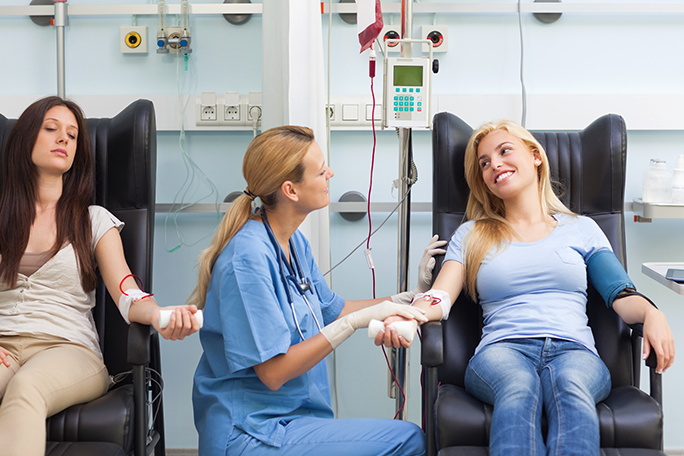
A phlebotomist specializes in drawing blood from patients, ensuring safety, comfort, and accuracy during sample collection. They work in various settings such as hospitals,clinics,blood banks,and diagnostic laboratories. The job requires technical skills, compassion, attention to detail, and strong interaction abilities.
Steps to Get Certified as a Phlebotomist in Seattle
becoming a certified phlebotomist involves several steps,from education to passing certification exams. Here’s a complete guide to help you start your journey:
Step 1: Meet Basic Requirements
- Minimum high school diploma or GED
- Legal right to work in the United States
- Basic computer and math skills
- Must be at least 18 years old
Step 2: Enroll in a Phlebotomy Training Program
While some on-the-job training exists, enrolling in a reputable phlebotomy training program is highly recommended to gain foundational knowlege and practical skills. In Seattle, many colleges and vocational schools offer specialized courses aligned with industry standards.
Step 3: Complete the Required Training Hours
| Program Component | Hours / Duration |
|---|---|
| Classroom Instruction | 40-60 hours |
| Practical Laboratory Skills | 20-30 hours |
| Externship/Clinical Practice | 40 hours minimum |
Step 4: Gain Hands-On Experience
Practical experience is vital. most training programs include supervised clinical practice, where you’ll learn to draw blood from diverse patient populations. This experience is crucial for mastering skills and preparing for certification exams.
Step 5: Prepare and Sit for certification Exams
certification isn’t mandatory in all states, but in Washington, earning a recognized credential significantly boosts your job prospects. The primary certifying agencies include:
- National Healthcareer Association (NHA) – Certified Phlebotomy Technician (CPT)
- American Society for Clinical Pathology (ASCP) – Certified Phlebotomy Technician (PBT)
- American Medical Certification Association (AMCA)
Planning involves reviewing coursework, practicing skills, and studying exam content outlines provided by these organizations.
Benefits of Becoming a Certified Phlebotomist in Seattle
- High Demand: Healthcare facilities in Seattle continuously seek qualified phlebotomists due to an aging population and expanding medical services.
- Competitive Salary: The average annual salary for phlebotomists in seattle ranges from $40,000 to $55,000, often higher with experience.
- Career Advancement: Certification opens pathways to supervisory roles, technical positions, or specialty fields such as immunology or research.
- Flexible Work Environments: Opportunities include hospitals, clinics, blood donation centers, and mobile phlebotomy services.
- Professional Recognition: Certification demonstrates your commitment to excellence and increases your credibility among employers and patients.
Practical Tips for Aspiring Phlebotomists in Seattle
- Choose accredited training programs aligned with industry standards.
- Focus on developing excellent interpersonal skills to ease patient anxiety.
- Practice blood collection techniques regularly to build confidence.
- Network with healthcare professionals through internships and industry events.
- Stay updated on certification requirements and healthcare regulations in Washington state.
Case Study: From Training to Certification — Sarah’s Success Story
Sarah moved to Seattle with a passion for healthcare. After completing a certified phlebotomy program at Seattle Vocational Institute,she gained hands-on clinical experience and passed her certification exam with the NHA. Today,she works at a prominent Seattle hospital,earning a rewarding salary and enjoying the fulfillment of helping patients daily. Her story highlights how dedication, proper training, and certification can catalyze a successful career in healthcare.
First-Hand Experience: What to Expect on the Job
new phlebotomists can expect a mix of routine blood draws, patient interaction, and adherence to strict safety protocols. Building good rapport with patients, maintaining hygiene standards, and keeping accurate records are essential. Continuous learning and staying compliant with healthcare laws ensure a smooth and rewarding career path.
Conclusion: Your Future as a Certified Phlebotomist Starts today
If you’re looking to enter the healthcare field with an impactful and in-demand specialty,becoming a certified phlebotomist in seattle is an excellent choice. With accessible training programs, growing job opportunities, and the potential for career advancement, you can unlock a fulfilling career in healthcare. Start today by researching accredited training providers, preparing for certification, and taking the first step toward making a difference in patients’ lives!
Additional Resources
- National Healthcareer Association (NHA)
- American Society for Clinical Pathology (ASCP)
- Washington State Phlebotomy Training Programs