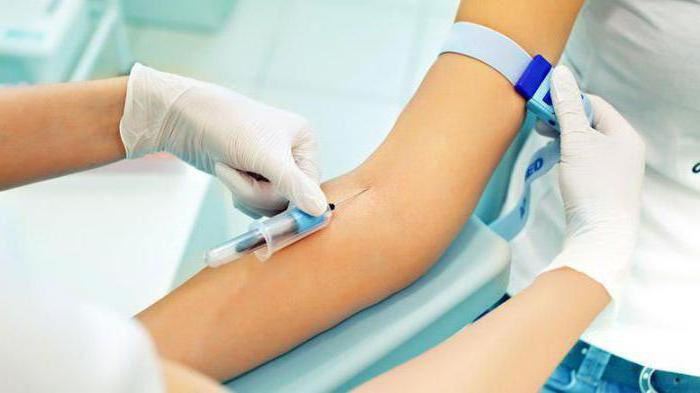
Ultimate Guide to Becoming a Blood Drawing Technician: Skills, Tips, and Career Insights
Are you interested in pursuing a rewarding healthcare career focused on patient care? Becoming a blood drawing technician, also known as a phlebotomist, offers a unique opportunity to play a crucial role in diagnostic testing and patient health. This thorough guide covers everything you need to know—from essential skills and educational pathways to practical tips and career growth opportunities. Read on to discover how you can embark on this fulfilling career journey.
What Is a Blood Drawing Technician?
A blood drawing technician, or phlebotomist, is a healthcare professional responsible for collecting blood specimens from patients for laboratory testing. Their work is essential in diagnosing diseases, monitoring health conditions, and supporting medical research. The role requires precision, compassion, and adherence to strict safety protocols.
Key Skills and Qualities of a Successful Phlebotomist
Excelling as a blood drawing technician demands a specific set of skills and personal qualities. Here are the most crucial ones:
- Attention to Detail: Accuracy in identifying patients and correctly labeling specimens.
- Manual Dexterity: Skillful handling of needles and collection tubes.
- Interpersonal Skills: Comforting patients, especially those who are anxious or fearful.
- Interaction Skills: Clear explanation of procedures and instructions.
- Knowledge of Safety Protocols: Proper sterilization, barrier precautions, and waste disposal.
- Physical Stamina: Ability to stand for long periods and perform repetitive motions.
Educational Pathways and Certification Requirements
Getting started as a blood drawing technician involves a combination of education, training, and certification. While requirements vary by state and employer, the following are generally applicable:
educational Requirements
- High school diploma or GED
- Completion of a phlebotomy training program—sometimes offered through community colleges, vocational schools, or hospitals
- Advanced degrees are not typically required, but healthcare background can be beneficial
certification and Licensing
Certification enhances employability and professional credibility. Popular certifying agencies include:
- National Phlebotomy Association (NPA)
- American Society for Clinical Pathology (ASCP) — Certified Phlebotomy Technician (CPT)
- American Medical Certification Association (AMCA)
Most certification programs require:
- Completion of a trained course with practical experience
- Passing a written exam
Step-by-Step Guide to Becoming a Blood Drawing Technician
1. Research Local Requirements
Start by understanding the licensing and certification requirements in your state or country.
2. Complete a Certified phlebotomy Training Program
Enroll in accredited training courses that include theoretical and practical components to prepare you for real-world scenarios.
3. Gain Practical Experience
participate in supervised clinical rotations for hands-on skills progress.
4.Obtain Certification
Pass your chosen certification exam to become a certified phlebotomist.
5. Seek Employment
Apply for phlebotomy positions in hospitals, clinics, laboratories, or blood donation centers.
6. Continue Education and Certification Renewal
Maintain certification through ongoing education and periodic renewal requirements.
Practical Tips for Aspiring Blood Drawing Technicians
- Practice Proper Technique: Consistently refine your venipuncture skills.
- Build Patient Rapport: Approach patients with empathy and professionalism to ease anxiety.
- Stay Updated on Safety Protocols: Regularly review CDC guidelines and best practices.
- Join Professional Associations: Network and access ongoing training opportunities.
- Develop Stress Management Skills: Handle arduous situations calmly and efficiently.
Benefits of a Career as a Blood Drawing Technician
- Job Stability: High demand in healthcare settings worldwide.
- Flexible Work Environments: Opportunities in hospitals, clinics, blood banks, and mobile units.
- Competitive Salary: Entry-level positions offer a decent income with room for growth.
- Opportunities for Advancement: Transition into supervisory roles or specialize in areas like pediatric phlebotomy.
- Personal Fulfillment: Contribute directly to patient health and well-being.
Case Studies: Success Stories from Professional Phlebotomists
| Name | Background | Advice |
|---|---|---|
| lisa M. | Started as a volunteer, completed certification, now leads a team in a busy hospital. | “Always stay patient-focused and keep learning new techniques.” |
| James R. | Transitioned from a lab technician to a dedicated phlebotomist with certification. | “Build rapport with patients—it makes collection easier and less stressful.” |
First-hand Experience: What It’s Really Like
Many aspiring blood drawing technicians wonder about the day-to-day reality of the job. Typically, it involves:
- Performing venipunctures efficiently and safely
- Interacting with diverse patient populations
- Handling emergencies or adverse reactions calmly
- Maintaining meticulous records and labels
- Adhering to safety and quality standards diligently
While demanding, the role offers immense satisfaction from helping diagnose illnesses and supporting community health. Readiness, practice, and professionalism are the keys to success.
Conclusion
Becoming a blood drawing technician is a promising career choice for those interested in healthcare, patient interaction, and medical laboratory sciences. With the right educational foundation, certification, and practical skills, you can embark on a rewarding path that combines technical expertise with compassionate care. Keep honing your skills, stay informed about industry best practices, and seek continuous enhancement. Your contribution can make a important difference in patients’ lives and in the broader healthcare system.
Ready to start your journey? Explore accredited training programs,pursue certification,and take the first step towards becoming a skilled and compassionate blood drawing technician today!