The Essential Duties of a Phlebotomist: A Complete Guide to Their Role and Responsibilities
In the ever-evolving healthcare landscape, phlebotomists play a vital role in ensuring accurate and efficient blood collection procedures. Whether you’re considering a career in healthcare or simply want to understand this crucial medical profession better, this thorough guide explores the core duties, responsibilities, and practical insights into a phlebotomist’s role. Discover how these skilled professionals contribute to patient care, laboratory analysis, and overall medical diagnostics.
introduction
Phlebotomy is more than just drawing blood; it’s a critical component of medical diagnostics and patient care. A skilled phlebotomist must combine technical expertise with interpersonal skills to ensure safe, comfortable, and accurate blood collection.This guide aims to shed light on the essential duties of a phlebotomist, highlighting their responsibilities, best practices, and the benefits of their work in the healthcare system.
The Role of a Phlebotomist: An Overview
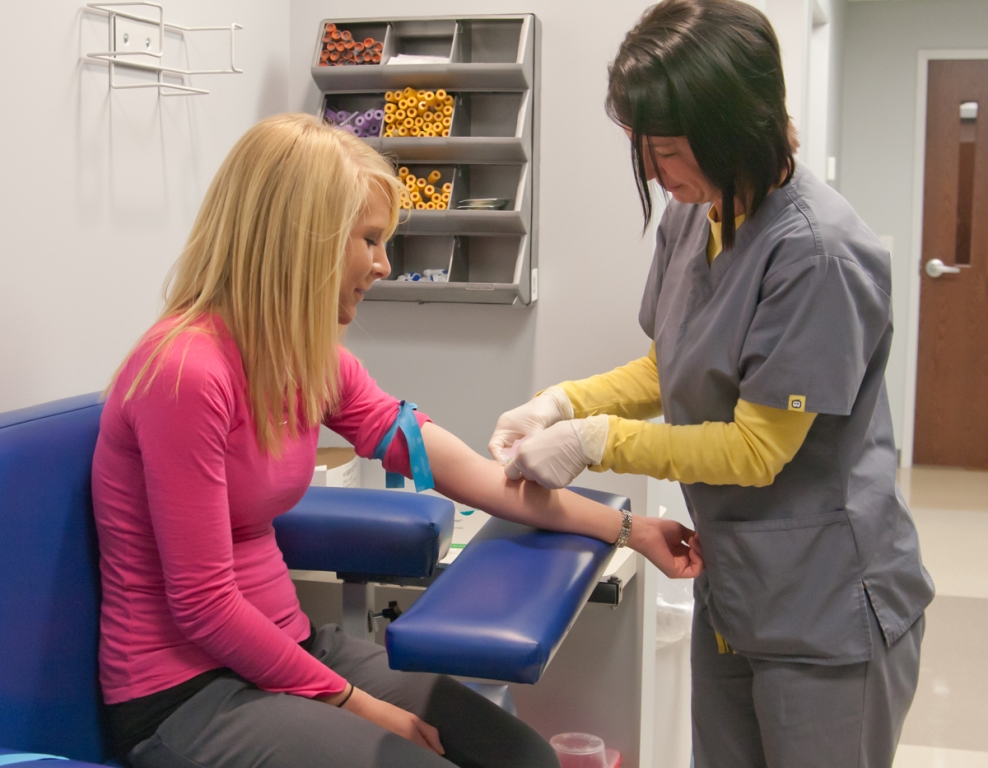
Phlebotomists are healthcare professionals specialized in drawing blood samples from patients for laboratory testing,blood donations,or transfusions. their work directly influences diagnostic accuracy and treatment effectiveness. They often work in hospitals, clinics, blood donation centers, and physicians’ offices.
Core Responsibilities and Duties
Understanding the core duties of a phlebotomist is crucial for appreciating their importance in healthcare.These responsibilities include:
- Preparing Patients for Blood Draws: Explaining procedures, calming anxious patients, and ensuring patient comfort.
- Verifying Patient Identity: Confirming patient details to prevent sample mix-ups.
- Collecting Blood Samples safely: Using proper techniques and equipment to draw blood efficiently and safely.
- Labeling and Handling Specimens: Ensuring samples are correctly labeled and stored to maintain integrity.
- Following Safety Protocols: adhering to infection control standards and disposing of sharps safely.
- Maintaining Equipment and Supplies: Ensuring all tools are sterile, functional, and ready for use.
- keeping Accurate Records: Documenting procedures, patient details, and sample details meticulously.
- communicating with Healthcare Team: Reporting issues, assisting with patient care, and coordinating with lab staff.
Typical Work Environment and Skills Needed
Phlebotomists work in fast-paced environments, requiring both technical skills and compassionate interaction. Key skills include:
- Attention to Detail: Precision in labeling and handling samples.
- Manual Dexterity: Skillful handling of needles and glassware.
- Communication Skills: Explaining procedures and comforting patients.
- Problem-solving Abilities: Managing challenging draws or patient concerns.
- Adherence to Protocols: Following strict safety and procedural guidelines.
Benefits of Being a Phlebotomist and Practical Tips
Choosing a career as a phlebotomist offers numerous benefits, including job stability, growth opportunities, and the chance to make a meaningful difference in patients’ lives. Here are some advantages:
- High Demand: The need for qualified phlebotomists is consistently increasing across healthcare settings.
- Flexible Work Hours: Opportunities for part-time, full-time, or evening shifts.
- Rapid Certification Process: Many programs offer accelerated paths to enter the field.
- Career Advancement: Opportunities to specialize or move into supervisory roles.
Practical tips for aspiring phlebotomists include:
- Practice proper techniques regularly to build confidence in blood collection.
- Stay updated on safety standards and new equipment.
- Develop excellent communication skills for patient interactions.
- Prioritize cleanliness and safety at all times.
Real-World Case Studies
case Study 1: Managing Difficult Blood Draws
A patient with difficult veins required multiple attempts. The phlebotomist remained calm, utilized warm compresses, and employed tourniquets correctly.Successful collection on the second try improved patient satisfaction and reinforced the importance of patience and expertise.
Case study 2: Ensuring Patient Safety During a Pandemic
During COVID-19, a phlebotomist adhered strictly to PPE protocols, disinfected all equipment and surfaces, and maintained social distancing. Their dedication ensured both patient safety and their own protection, exemplifying professionalism in crisis situations.
First-Hand Experience of a Phlebotomist
“Drawing blood is an art that combines technical skill with empathy. One of the most rewarding moments is when a nervous patient leaves with a sense of relief after a smooth and painless procedure. Continuous learning and staying patient-centered are key to success in this role.” — Jane D., Certified Phlebotomist
Future Outlook and Conclusion
The role of a phlebotomist is set to grow with advances in medical diagnostics and increased healthcare demand. As practitioners develop their skills, they can access new opportunities and specializations, such as research or advanced clinical roles. Their contribution to accurate diagnostics makes them indispensable in today’s healthcare system.
the duties of a phlebotomist encompass a broad range of responsibilities that demand technical expertise, compassion, and adherence to safety standards. Whether drawing blood, maintaining equipment, or interacting with patients, phlebotomists are integral to effective medical care, ensuring the accuracy of laboratory results and enhancing patient experiences.
Summary of Phlebotomist Duties
| Duty | Purpose | key Skill |
|---|---|---|
| Preparing Patients | Ensure comfort & cooperation | Communication |
| Sample Collection | Obtain an accurate blood sample | manual Dexterity |
| Labeling & Handling | Prevent sample mix-up | Attention to Detail |
| Safety & hygiene | Protect patient & staff | Protocol Adherence |
Final Words
Becoming a phlebotomist opens doors to a fulfilling healthcare career where you can make a real difference in patients’ lives. Equipped with the right skills, compassion, and dedication, you can excel in this essential role, contributing to the accuracy of medical diagnoses and overall patient care. Whether you’re just starting or looking to advance, understanding the duties and responsibilities of a phlebotomist is the first step toward a rewarding healthcare journey.