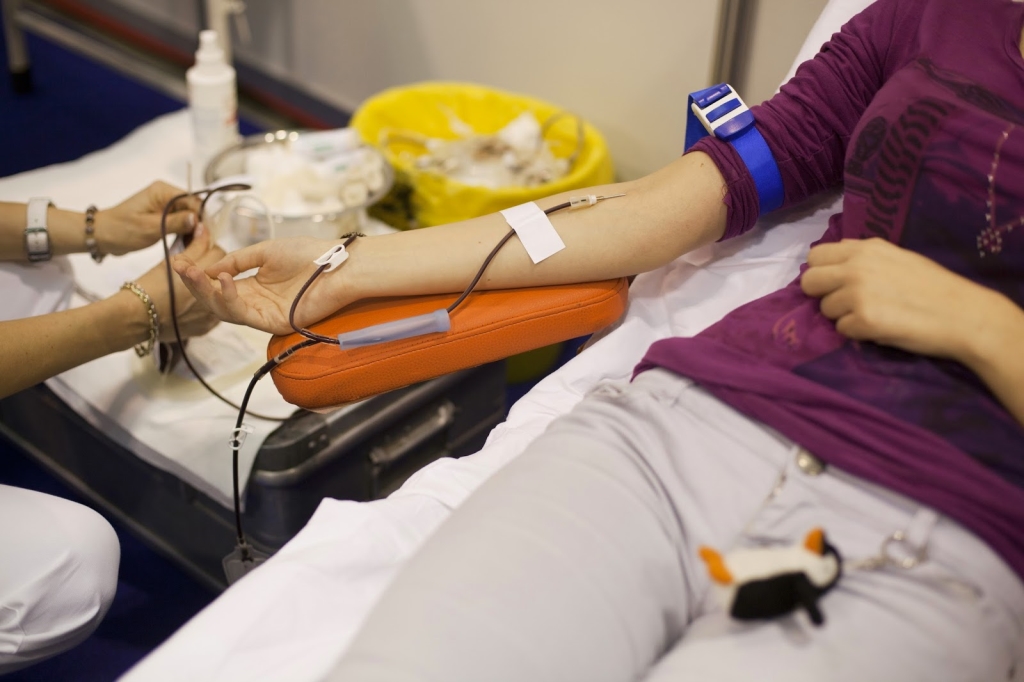
Is Phlebotomy a Good Career? Discover the Pros, Cons, and opportunities
Are you passionate about healthcare but unsure if becoming a phlebotomist is the right path? Phlebotomy, the practice of drawing blood for tests, donations, or research, is increasingly recognized as a vital component of healthcare. in this extensive guide, we’ll explore whether phlebotomy is a good career choice by examining the benefits, challenges, career prospects, and practical tips for success.
What Is Phlebotomy?
Phlebotomy involves collecting blood samples from patients or donors for laboratory analysis, medical testing, or blood donations. Certified phlebotomists work in various healthcare settings including hospitals, clinics, blood donation centers, and laboratories. It’s a specialized medical profession that combines technical skills, patient interaction, and attention to detail.
Is Phlebotomy a Good career?
Deciding whether to pursue a career in phlebotomy depends on multiple factors such as job satisfaction, earning potential, job stability, and personal interest in the healthcare field. Let’s explore the pros and cons of becoming a phlebotomist.
Pros of a Career in Phlebotomy
- Fast and Affordable Training: Unlike many healthcare professions, phlebotomy requires relatively quick certification programs, frequently enough completed within a few months.
- High Job Demand: The healthcare industry’s growth ensures steady employment opportunities for certified phlebotomists.
- Entry-Level Accessibility: No extensive college degree is required to start a career in phlebotomy, making it an accessible healthcare option.
- Flexible Work Schedules: Many phlebotomists enjoy part-time, full-time, or weekend shifts, providing work-life balance.
- Personal Satisfaction: Helping patients and contributing to crucial medical diagnoses can be highly rewarding.
- Potential for Career Advancement: With experience, additional certifications can open doors to supervisory roles, training positions, or specialized healthcare fields.
Cons of a Career in Phlebotomy
- Physically Demanding: the job can involve lengthy standing, repetitive movements, and patient handling, which may lead to fatigue or strain.
- emotional Challenges: Dealing with anxious or distressed patients requires patience and emotional resilience.
- Work Habitat Risks: Exposure to blood-borne pathogens and need for strict safety protocols.
- Potential for Irregular Hours: Emergency blood draws or weekend shifts can disrupt personal schedules.
- lower Starting Salary: Entry-level salaries might potentially be modest, though thay can increase with experience and specialization.
Opportunities and Career Growth in Phlebotomy
While starting as a phlebotomist provides foundational healthcare experience, there are numerous opportunities for advancement and specialization:
| Career Pathway | Details | Potential Salary |
|---|---|---|
| Senior Phlebotomist | More duty, mentoring new staff | $35,000 – $50,000 |
| Medical Laboratory Technician | Further training to perform complex tests | $45,000 – $65,000 |
| Phlebotomy instructor | Training others in phlebotomy techniques | $50,000+ depending on experience |
| Healthcare Administrator | Managing labs or clinics | $60,000 – $80,000+ |
Benefits of Choosing a Career in Phlebotomy
Here are some compelling benefits that make phlebotomy an attractive healthcare career option:
- Quick Entry: Certification programs are typically 3-6 months long, allowing you to start working sooner.
- High Job Security: The growing healthcare sector ensures consistent demand for skilled phlebotomists.
- Performing a Noble Service: Enabling safe blood collection supports vital medical treatments and research.
- Cost-Effective Education: Compared to other medical careers, training costs are lower, making it accessible for many.
Practical Tips for Aspiring Phlebotomists
If you’re considering a career in phlebotomy, here are some practical tips to get started:
- Research Certification Programs: Ensure they are accredited by organizations like the American society for Clinical Pathology (ASCP).
- Develop Interpersonal Skills: Patience, empathy, and communication are crucial when working with diverse patients.
- Gain Hands-On Experience: Volunteer or seek internships to build confidence and practical skills.
- stay Informed: Keep up with the latest safety protocols and advancements in laboratory techniques.
- network with Professionals: Join healthcare forums or associations to learn about job opportunities and career development.
First-Hand Experience: A Case study
Jessica, a certified phlebotomist with two years of experience, shares her journey:
“Starting as a phlebotomist was intimidating at first, especially handling anxious patients. But with time and training, I gained confidence. The job offers a real sense of accomplishment, knowing I’m helping diagnose and save lives. The adaptability of shifts fits perfectly with my personal life, and I’m considering further certifications to advance my career.” – Jessica, Phlebotomist
Is Phlebotomy Right for You?
Ultimately, whether phlebotomy is a good career depends on your personal interests, goals, and values. If you enjoy healthcare,wont a quick-entry role,and are pleasant with patient interactions,phlebotomy can be a fulfilling and stable profession. However, if you prefer careers with less physical work or patient contact, other healthcare roles might suit you better.
Conclusion
Phlebotomy stands out as a rewarding healthcare career that offers numerous opportunities for growth, stability, and personal fulfillment. Its quick training pathway and vital role in the medical field make it an appealing choice for many aspiring healthcare professionals. By understanding the pros and cons, pursuing proper certification, and gaining practical experience, you can determine if phlebotomy aligns with your career aspirations.
If you’re passionate about healthcare and helping others, consider exploring training programs in phlebotomy today-and take the first step toward an impactful medical career.