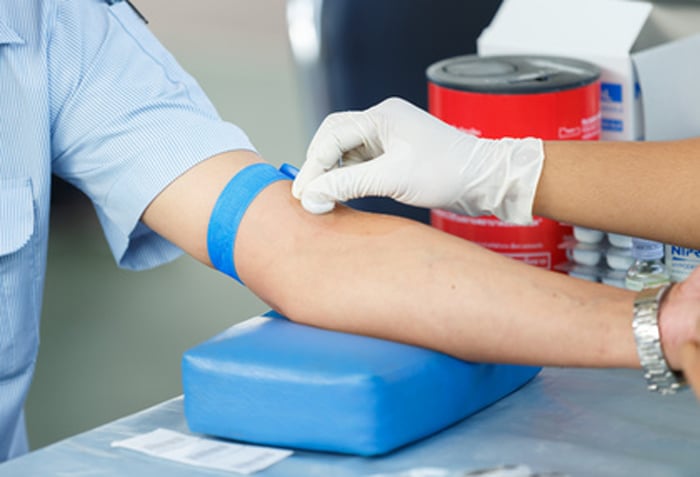
Master Phlebotomy & EKG Training: Expert Tips to Advance Your Healthcare Career
Whether you’re just starting out or looking to elevate your healthcare career, mastering phlebotomy and EKG (electrocardiogram) procedures is a strategic move. These skills are highly sought after in clinics, hospitals, and diagnostic laboratories, opening doors to numerous career opportunities.In this complete guide, you’ll find expert tips, practical advice, and insights to help you excel in phlebotomy and EKG training, ensuring you’re well-prepared to succeed.
introduction
Careers in healthcare are rewarding and ever-evolving. Specializing in phlebotomy and EKG not only enhances your skill set but also increases your employability and earning potential. As diagnostic testing becomes central to patient care, professionals with expertise in blood collection and cardiac assessments are more in demand than ever. This article provides a step-by-step approach, from choosing the right training programs to gaining hands-on experience, enabling you to master these vital skills and position yourself as a healthcare professional of choice.
Why master Phlebotomy & EKG training?
Understanding the importance of these certifications is crucial for anyone aspiring to grow in the healthcare field. here are some compelling reasons:
- High employment demand: Hospitals, clinics, and labs actively seek certified phlebotomists and EKG technicians.
- Career advancement: These skills can serve as stepping stones to roles such as medical assistants,laboratory technicians,or even specialized healthcare providers.
- Essential patient care skills: Providing accurate blood draws and cardiac assessments improves diagnostic quality.
- Competitive salary opportunities: Certified professionals often enjoy higher wages.
Key Components of Phlebotomy & EKG Training
Effective training programs combine theoretical knowledge with practical application. here’s what to expect:
Phlebotomy Training
- Understanding blood collection procedures
- learning about infection control and safety
- Mastering venipuncture and capillary puncture techniques
- properly labeling and handling specimens
- Legality and ethics in blood collection
EKG/ECG Training
- Basics of cardiac anatomy and physiology
- Operating EKG machinery effectively
- Identifying normal and abnormal heart rhythms
(arrhythmias, atrial fibrillation, etc.) - Proper placement of electrodes and lead wires
- Interpreting basic EKG strips
Expert Tips to Excel in Phlebotomy & EKG Training
Stepping into proficiency requires a strategic approach.Here are proven tips from industry experts:
1. Choose Accredited Training Programs
- Ensure the program is accredited by recognized bodies like the National Healthcareer Association (NHA) or American Society for Clinical Pathology (ASCP).
- Look for programs that offer both classroom instruction and hands-on practice.
2. Focus on Practical Skills
- Practice blood draws and EKG placement repeatedly to build confidence and precision.
- Seek opportunities for supervised clinical practicum.
3. Develop Good Dialog & Patient Care Skills
- Be empathetic and professional when interacting with patients.
- explain procedures clearly to reduce patient anxiety.
4. Study Regularly & Prepare for Certification Exams
- Review course materials consistently.
- Utilize practice exams and online resources.
5. Stay Updated with Industry Trends
- Join professional associations.
- Attend workshops and webinars.
Practical Benefits of mastering Phlebotomy & EKG
| Benefit | Impact |
|---|---|
| Enhanced Employability | Stand out in competitive job markets with specialized skills. |
| Increased Earning Potential | Higher wages compared to entry-level positions. |
| Career Versatility | Work in various healthcare settings like labs, clinics, or mobile units. |
| Professional Confidence | Perform procedures accurately and efficiently. |
Real-Life Case study: From Student to Skilled Professional
Meet Sarah, a recent graduate of a certified phlebotomy and EKG training program. Initially nervous about performing blood draws, Sarah dedicated extra hours practicing with mentors. Upon certification, she secured a position at a busy outpatient clinic.Within a year, Sarah earned a promotion to lead technician, thanks to her solid skills and patient rapport. Her story illustrates how dedicated training coupled with practical experience can significantly propel your healthcare career forward.
First-Hand Experience: Tips from Successful Trainees
- John, a Certified EKG Technician: “Practicing on friends and family before my clinicals helped me gain confidence.”
- Maria, a Certified Phlebotomist: “Joining study groups kept me motivated and clarified complex procedures.”
Additional Resources & Certification Tips
- Prioritize certification from recognized agencies like NHA, ASCP, or American Medical Technologists (AMT).
- Prepare a professional resume highlighting your new skills.
- Keep learning through workshops and continuing education courses.
Conclusion
Mastering phlebotomy and EKG training is a strategic investment in your healthcare career. By choosing accredited programs,honing your practical skills,and staying committed to ongoing learning,you can position yourself as a vital part of the diagnostic healthcare team. Remember, success favors those who prepare diligently and embrace continuous betterment. Whether you’re just starting or looking to upgrade your skills,these expert tips will guide you toward a rewarding and fulfilling career in healthcare.