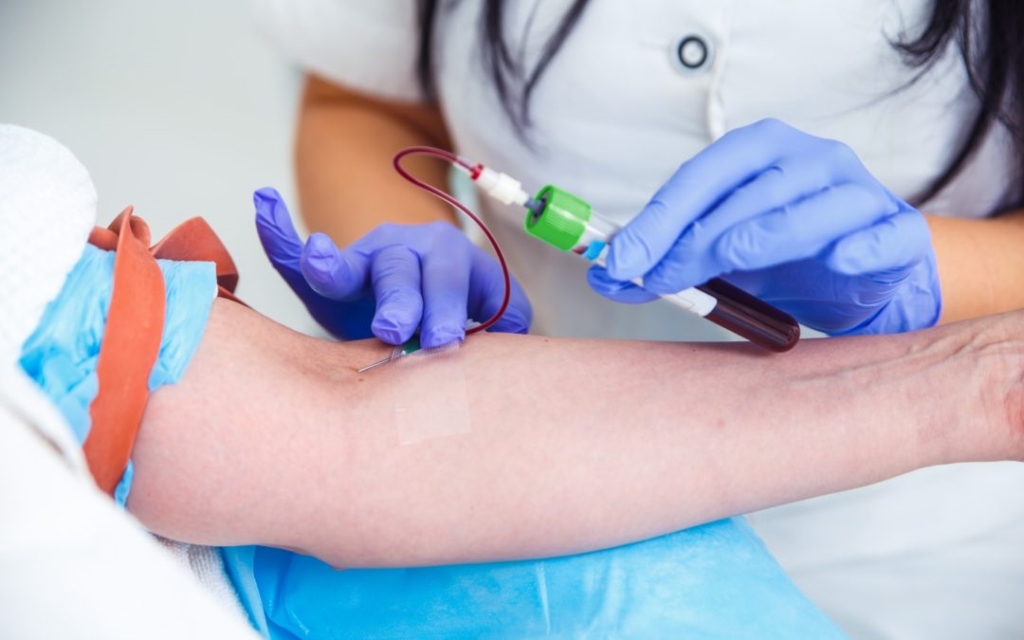
Mastering Phlebotomy Techniques: A Complete Guide to Performing Blood Draws Safely and Effectively
Phlebotomy is a vital skill in the healthcare industry, involving the practice of drawing blood for diagnostic testing, transfusions, or research. Proper technique is essential to ensure patient safety, accurate test results, and a positive experience. Whether you’re a novice or looking to refine your skills, this thorough guide covers everything you need to know to master phlebotomy techniques.
Introduction to Phlebotomy and Its Importance
Performing blood draws might seem straightforward, but it requires precision, adherence to safety protocols, and compassionate patient care. Proper phlebotomy techniques help prevent complications like hematomas, infections, or incorrect results. This guide will walk you through the essentials of blood collection, safety practices, practical tips, and real-world insights to help you become proficient in phlebotomy.
Fundamental Principles of Phlebotomy
Understanding Blood Collection Equipment
- Needles and Syringes: Different gauges (usually 21-23G) for various patients and purposes.
- Vacutainer Systems: Eds turned blood collection tubes for quick and sterile collection.
- Alcohol Swabs and Gauze: For site cleaning and applying pressure post-collection.
- Tourniquets: To engorge veins and facilitate easier access.
- Labeling Supplies: For accurate patient identification and sample tracking.
Patient identification and Preparation
- Always verify patient identity using at least two identifiers.
- Explain the procedure to reduce anxiety and gain cooperation.
- Ensure the patient is comfortable and properly positioned.
step-by-Step Guide to performing a Blood Draw
1. Prepare Your Space and Equipment
- Wash hands thoroughly and don gloves.
- Gather all necessary supplies before approaching the patient.
- Verify patient and specimen labels.
2. Select the Vein
- Identify the median cubital vein, cephalic, or basilic veins.
- palpate to assess size, depth, and direction.
3. Apply Tourniquet
- Place approximately 3-4 inches above the chosen site.
- Make sure its snug but not too tight to prevent discomfort.
4. Disinfect the Site
- Use alcohol swab in a circular motion, starting from the center outward.
- Allow the site to air dry to prevent alcohol interference.
5. Perform Blood Collection
- Insert the needle at a 15-30° angle with smooth, steady motion.
- Watch for blood flow into the collection tube or syringe.
- Release the tourniquet before removing the needle.
- Apply gauze immediatly after needle withdrawal and instruct the patient to hold pressure.
6. Label and Handle the Sample
- Label the specimen accurately in front of the patient.
- Mix the blood if required (e.g., with anticoagulants).
- transport samples to the laboratory promptly following protocol.
Practical Tips and best Practices for Phlebotomy
- Use the smallest gauge needle appropriate to minimize patient discomfort.
- Avoid multiple sticks; if unsuccessful after two attempts, seek assistance.
- Maintain a positive attitude and communicate clearly to ease patient anxiety.
- Be aware of contraindications like recent surgeries, infections, or fragile veins.
- Ensure proper disposal of sharps in designated containers.
The Benefits of Mastering Phlebotomy Techniques
| Benefit | Description |
|---|---|
| Patient Safety | Reduces risk of complications such as hematomas and infections. |
| Accurate Results | Proper technique ensures reliable laboratory data. |
| Efficiency | Streamlines workflow, saving time and resources. |
| Patient Comfort | Minimizes discomfort and anxiety during blood collection. |
Overcoming Common Challenges in Phlebotomy
- Cannot Locate a Vein: Warm the site, hydrate, or ask the patient to make a fist.
- Poor Blood Flow: Adjust needle angle, use a different vein, or replace the tourniquet.
- Patient Anxiety: Offer reassurance,explain the process,and use gentle techniques.
Case Studies and Real-World Insights
Case Study 1: Accomplished Blood Draw on a Difficult Vein
A novice phlebotomist was tasked with drawing blood from an elderly patient with fragile, tortuous veins. By applying gentle palpation,warming the hand,and using a smaller gauge needle,the practitioner was able to successfully perform the draw without complications. this case highlights the importance of patience and adapting techniques to patient needs.
First-hand Experience: What I’ve Learned
From years of practice, I’ve found that building rapport with patients and minimizing discomfort are key to successful blood draws. Regularly practicing needle insertion in a simulated environment enhances confidence and proficiency. Remember, every patient is unique - tailoring your approach makes all the difference.
Conclusion: Mastering the Art of Phlebotomy
Mastering phlebotomy techniques is essential for healthcare professionals committed to providing safe, effective, and compassionate care. By understanding proper equipment use, patient preparation, adherence to safety protocols, and continuous practice, you can perform blood draws with confidence and precision. Remember, the key to success lies in patience, practice, and genuine concern for patient well-being. Keep honing your skills and stay updated with new developments in the field – your patients deserve nothing less.