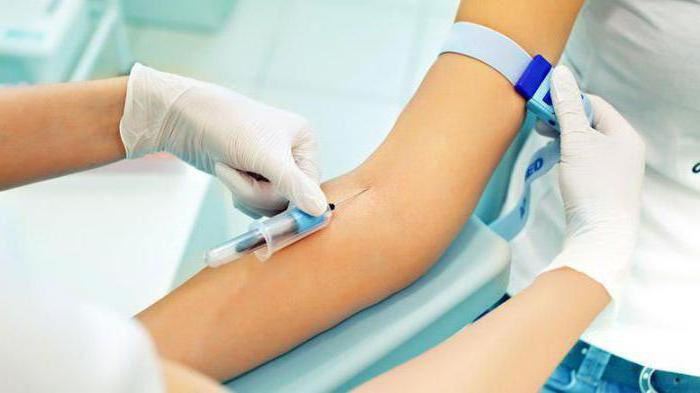
Understanding the Order of Draw in Phlebotomy: A Complete Guide for Accurate Blood Collection
Getting blood samples right is critical in the diagnostic process,and one of the most essential aspects of proper specimen collection is understanding the order of draw in phlebotomy. Following the correct order ensures sample integrity, prevents cross-contamination, and delivers accurate test results. Whether you are a new phlebotomist, healthcare professional, or someone looking to understand blood collection protocols, this comprehensive guide covers everything you need to no about the order of draw.
Introduction to the Order of Draw in Phlebotomy
The order of draw refers to the specific sequence in which blood collection tubes are filled during phlebotomy procedures.This sequence is carefully designed to prevent cross-contamination among different additives in blood collection tubes, which could or else compromise the accuracy of laboratory tests. Proper adherence to this order is a critical component of quality assurance in medical testing.
Why Is the Order of Draw Vital?
- Prevents additive carryover: Avoid contamination of blood samples with additives from previous tubes, which can interfere with test results.
- Ensures specimen integrity: Maintains the purity of samples for accurate diagnosis.
- Reduces test errors: Minimizes false positives or negatives by preventing cross-reactivity or interference.
- Standardizes practice: Provides a consistent protocol for all phlebotomy procedures, enhancing safety and reliability.
The Standard Order of Draw in venipuncture
The Clinical & Laboratory Standards Institute (CLSI) and other authoritative organizations recommend a specific order of draw to maximize sample accuracy. Below is the typical sequence used in most clinical settings:
| # | Tube Type | Common Additive | Purpose |
|---|---|---|---|
| 1 | Blood Culture Tubes | SF media / BacT/ALERT | Detects bloodstream infections |
| 2 | SERUM tubes (red or gold) | clot activator / serum separator gel | Serum tests, chemistry panels |
| 3 | PLASMA tubes (light blue) | Citrate | Coagulation tests (PT, PTT) |
| 4 | EDTA tubes (lavender or pink) | EDTA (ethylenediaminetetraacetic acid) | hematology, blood banks |
| 5 | Oxalate/fluoride tubes (gray) | Potassium oxalate / sodium fluoride | glucose testing, blood alcohol |
Details on the Types of Blood Collection Tubes
Blood Culture Bottles
Typically drawn first to prevent contamination, these are used for microbiological testing to identify infections in the bloodstream.
Serum Tubes
Red-top and gold-top tubes clot naturally or with activators.They are used for chemistries, immunology, and serology tests.
Coagulation Tubes (Light Blue)
Contain citrate that preserves the plasma for coagulation studies such as PT and PTT.
EDTA Tubes
Make up the majority of hematology samples, including complete blood counts (CBC) and blood typing.
Gray Top Tubes
Contains sodium fluoride and potassium oxalate for optimal preservation of glucose and other metabolic substances.
Practical Tips for Phlebotomists
- Follow standard procedures: Always adhere to the recommended order of draw to prevent errors.
- Use proper technique: Ensure correct needle placement, minimal tourniquet time, and gentle collection.
- Correct labeling: Label samples immediately after collection to prevent mix-ups.
- Maintain tube integrity: Avoid over-centrifuging or vigorous shaking, especially with serum tubes.
- Practice safety: Use PPE and dispose of sharps properly after use.
Case Study: Common Errors When the Order of Draw Is Not Followed
In a healthcare setting, a phlebotomist skipped the proper sequence and filled a lavender EDTA tube before a light blue coagulation tube. As a result, the citrate from the coagulation tube contaminated the EDTA sample, leading to a falsely prolonged bleeding time test. This delay caused a misdiagnosis and unnecessary additional testing. This example highlights how critical adhering to the order of draw is for accurate results.
Benefits of Properly Following the Order of Draw
- More accurate lab results: Ensures test reliability for diagnosis and treatment planning.
- Reduced sample rejection: Minimizes repeat draws, saving time and resources.
- Enhanced patient safety: Following best practices reduces the risk of hemoconcentration and contamination.
First-Hand Experience: My Journey as a Phlebotomist
Throughout my career in phlebotomy, I have seen firsthand how crucial the order of draw is in preventing laboratory errors. Early in my training, I witnessed a colleague inadvertently skip the sequence, which resulted in sample contamination and required recollection. Since then, I have prioritized strict adherence to protocols, and I recommend to all new phlebotomists to learn and memorize the order to ensure safe and accurate blood collection for patients and labs alike.
Additional Practical tips and Resources
- Keep updated with the latest guidelines from CLSI and other health authorities.
- Regularly review the order of draw protocol as part of ongoing training.
- Use visual aids, such as posters or laminated reference cards, in the collection area for fast reference.
- Practice proper mixing techniques based on tube type to prevent clotting or contamination.
Conclusion
Proper understanding and adherence to the order of draw in phlebotomy are basic to accurate blood collection and reliable laboratory testing. By following standardized protocols, practicing meticulous technique, and understanding the purpose behind each step, healthcare professionals can greatly reduce errors and improve patient outcomes. Whether you are just beginning your journey in phlebotomy or refining your skills, mastering the sequence is a vital part of delivering safe and effective care.
Remember, the key to prosperous blood collection lies in attention to detail and commitment to best practices. Stay informed,stay safe,and always prioritize accuracy in your blood collection procedures.