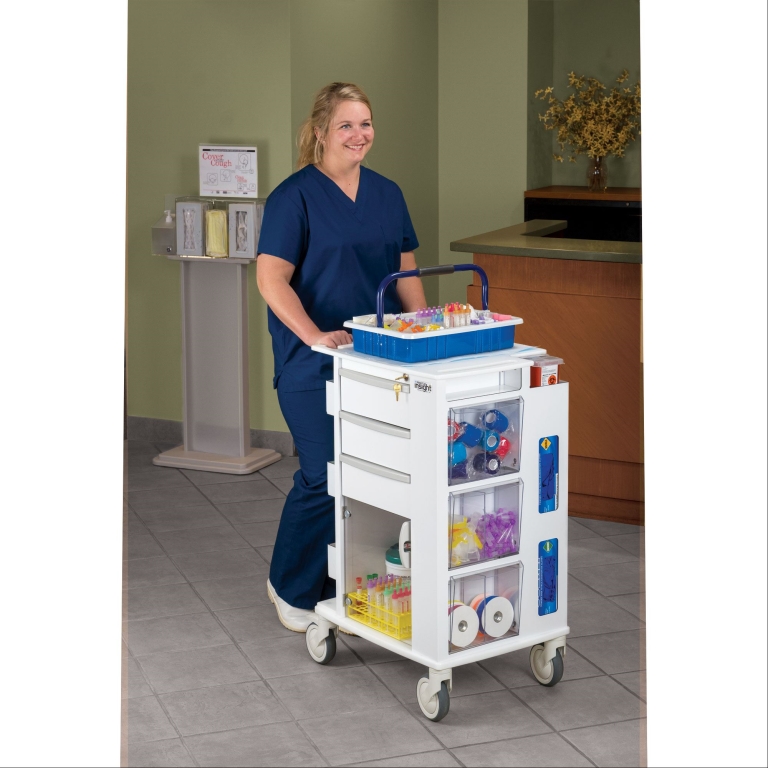
How to Obtain Your Phlebotomy License: Essential Steps & Career Benefits
Embarking on a career as a licensed phlebotomist is a rewarding pathway in the healthcare industry. A phlebotomy licence not only validates your skills but also opens doors to job stability, career advancement, and the opportunity to make a real difference in patients’ lives. In this comprehensive guide, we’ll walk you through the essential steps to obtain your phlebotomy licence and explore the numerous benefits that come with being a licensed professional.
Introduction
If you’re considering starting a healthcare career, becoming a licensed phlebotomist is an excellent choice. Phlebotomy involves drawing blood samples for tests, transfusions, or donations and requires specialized skills, knowledge, and certification. Obtaining your phlebotomy licence demonstrates your competency, enhances employment prospects, and legitimizes your professional standing in the healthcare system.
What Is a Phlebotomy Licence?
A phlebotomy licence is an official certification or license that authorizes an individual to perform blood collection procedures legally and safely. Licensing requirements vary by state or country but generally include completing accredited training, passing exams, and demonstrating practical skills.
Essential Steps to Obtain Your Phlebotomy Licence
1. Meet Basic Prerequisites
- Minimum high school diploma or GED
- Age requirement (typically 18 years or older)
- Background check and immunizations (such as hepatitis B, MMR, varicella)
2. Enroll in a Certified Phlebotomy Training Program
Choose an accredited training program that meets your state’s certification standards.These programs typically include classroom instruction and hands-on practice in blood collection techniques.
3.Complete Classroom and Practical Training
- Human anatomy and physiology
- Blood collection procedures
- Safety protocols and infection control
- Patient interaction and interaction skills
4. Pass the Certification Exam
Successful completion of a nationally recognized certification exam is often necessary. Popular certifying agencies include:
- American Society for Clinical Pathology (ASCP)
- National Healthcareer association (NHA)
- American Medical Technologists (AMT)
5. Apply for Your Phlebotomy Licence
Submit your application to the relevant licensing authority in your state or country. This may involve providing proof of training, certification exam scores, and background clearance.
6. Maintain Certification and License
- Complete continuing education requirements
- Renew your licence periodically
- Stay updated with best practices and safety standards
Practical Tips for a Successful Licensing Journey
- Choose accredited training programs to ensure eligibility for certification exams
- Gain hands-on experience through internships or externships
- Network with licensed professionals and join industry associations
- Prepare thoroughly for certification exams using practice tests and study guides
- Stay organized with all required documentation for your application process
Benefits of Becoming a Licensed Phlebotomist
Career stability and Growth
Licensed phlebotomists are in high demand across hospitals, clinics, laboratories, and diagnostic centers. The healthcare sector continually seeks qualified professionals, leading to stable employment opportunities and career advancement possibilities.
Competitive Salary and Benefits
As a licensed professional, you can expect a competitive salary with benefits such as health insurance, paid leave, and retirement plans, especially as you gain experience and specialize in certain areas.
Personal Satisfaction and Impact
Performing blood draws and assisting in diagnoses directly impacts patient health and can be incredibly fulfilling. Licensed phlebotomists often find their work meaningful and rewarding.
Flexibility and Diverse Work Environments
Phlebotomists often enjoy flexible schedules and work in various settings such as blood donation centers,hospitals,outpatient clinics,and research laboratories.
Case Study: Success Story of a Licensed Phlebotomist
| Stage | Experience | Outcome |
|---|---|---|
| Education | Completed accredited phlebotomy program | Gained foundational skills and certification |
| Certification | Passed national certification exam | Obtained licence to practice legally |
| Employment | Started as a junior phlebotomist in a hospital | Moved up to senior technician role after two years |
| Continued Growth | Specialized in pediatric phlebotomy | Enhanced career prospects and personal satisfaction |
Additional Resources for Aspiring Phlebotomists
- American Society for Phlebotomy Technicians (ASPT)
- National Healthcareer Association (NHA)
- American Medical Technologists (AMT)
Conclusion
Obtaining your phlebotomy licence is a crucial step toward building a successful career in healthcare. by following the essential steps-meeting prerequisites, completing accredited training, passing certification exams, and maintaining your licence-you position yourself for stability, growth, and personal fulfillment. The healthcare industry values skilled, licensed phlebotomists, making this profession a smart choice for those passionate about patient care and medical science.start your journey today and unlock the many benefits of becoming a licensed phlebotomist!