Where Do Phlebotomists Work? A Complete Guide to Their Roles and Workplaces
Are you curious about the daily work surroundings of phlebotomists? These vital healthcare professionals play a crucial role in diagnostic testing and patient care. In this comprehensive guide, we will explore the various workplaces where phlebotomists operate, their roles, benefits of their professions, practical tips for aspiring professionals, and real-life case studies. Whether you’re considering a career in phlebotomy or simply interested in healthcare roles, this article offers valuable insights into the different settings where phlebotomists contribute so significantly.
Understanding the Role of a Phlebotomist
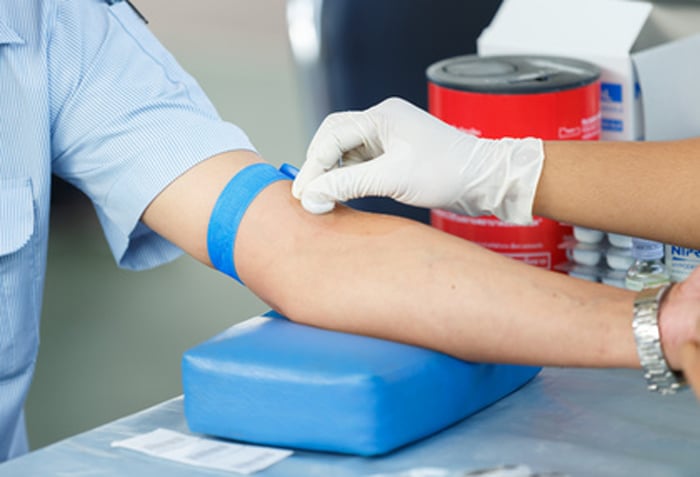
Phlebotomists are trained healthcare technicians responsible for drawing blood from patients for lab testing, transfusions, donations, or research. Their work involves more than just venipuncture; they also handle sample labeling, maintaining hygiene standards, and providing patient comfort and reassurance. The demand for skilled phlebotomists continues to grow, thanks to advances in medical diagnostics and increasing healthcare needs.
Primary Workplaces of Phlebotomists
Phlebotomists work in a wide range of healthcare and non-healthcare environments. Each setting has unique work dynamics, patient interactions, and operational procedures. Below are the most common workplaces where phlebotomists operate:
1. Hospitals and Medical Centers
Hospitals are the most prevalent workplaces for phlebotomists. They often work in emergency rooms, outpatient labs, or inpatient wards, playing a critical role in supporting diagnosis and treatment.
2. Laboratories and Diagnostic Centers
Specialized diagnostic labs rely heavily on phlebotomists to collect samples for testing. These workplaces offer a quieter environment focused on processing and analyzing blood samples.
3. Blood Donation Centers
Blood banks and donation centers employ phlebotomists to collect blood donations from volunteers, ensuring safety and comfort during the process.
4. Physician’s Offices and Outpatient Clinics
Many outpatient clinics and private physician offices employ in-house phlebotomists to facilitate immediate testing and diagnosis, ensuring quick patient turnaround.
5. Urgent Care Centers and Walk-in Clinics
In urgent care settings, phlebotomists handle immediate sample collection, supporting fast diagnosis and treatment planning.
6. Community Health and Public Health Facilities
Phlebotomists working in community health centers focus on preventive care, health screenings, and outreach programs, often serving underserved populations.
7.Research Facilities and Pharmaceutical Companies
In research environments, phlebotomists assist in clinical trials, collecting samples necessary for developing new medicines and treatments.
Other Work Environments
- Schools and Universities involved in health research or student health services
- Mobile clinics providing healthcare access to remote or underserved areas
- Corporate wellness programs
Detailed Workplace Comparison
| Workplace | Environment | Patient Interaction | Typical Hours |
|---|---|---|---|
| Hospitals | High-paced, clinical | Frequent and diverse | Varies; day/night shifts |
| Labs | Quiet, controlled | Limited; mainly lab staff | Standard daytime hours |
| Blood Donation Centers | Kind, welcoming | Moderate; donor comfort | Flexible, appointments-based |
| Physician’s Offices | Intimate, private | Personalized, one-on-one | Regular office hours |
Benefits of Working as a Phlebotomist
- High demand and job security
- Relatively quick certification process
- Opportunities for career advancement
- Rewarding work helping patients and saving lives
- Flexible work schedules and settings
Practical Tips for Aspiring Phlebotomists
- Get Certified: Certification from recognized bodies such as the National Phlebotomy Association can enhance job prospects.
- Gain Practical Experience: Internships or externships provide invaluable hands-on training.
- Develop Interpersonal Skills: Patience, empathy, and dialogue are essential in patient interactions.
- Stay Updated: Keep abreast of new technology and procedures in blood collection and safety standards.
real-Life Case Study: A Day in the Life of a Hospital Phlebotomist
Maria, a certified phlebotomist working in a metropolitan hospital, starts her shift early in the morning. Her day includes:
- Collecting blood samples from inpatients and outpatients
- Preparing specimens for laboratory analysis
- Ensuring patient comfort during blood draws, especially with nervous children or anxious patients
- Maintaining hygiene and safety standards to prevent contamination
- Documenting and labeling samples accurately
maria finds her work fulfilling because she plays a crucial role in diagnosing illnesses and helping save lives. Her ability to stay calm and communicate effectively helps her provide a positive experience for patients.
Conclusion
Phlebotomists are an essential part of the healthcare ecosystem, working across various environments to support diagnostic and treatment processes.From bustling hospitals to community clinics, their roles are diverse, rewarding, and in high demand. Understanding where phlebotomists work and the specifics of each workplace can help aspiring professionals decide their career path, while also appreciating the vital contributions these healthcare workers make every day.
Whether you’re considering entering the field or want to deepen your knowledge of healthcare careers, knowing the various workplaces of phlebotomists underscores the versatility and importance of this profession. With proper training and dedication, a career in phlebotomy offers stability, growth opportunities, and the satisfaction of making a tangible difference in people’s lives.