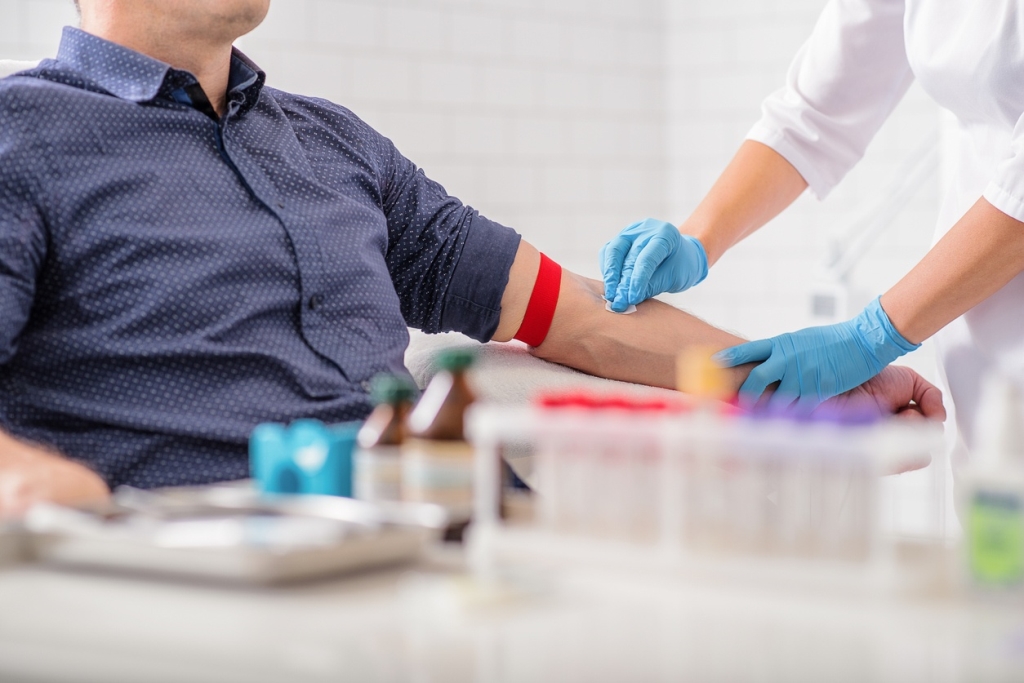
Ace Your Phlebotomy Exam: Essential Review Tips & Strategies for Success
Preparing for your phlebotomy certification exam can feel overwhelming, but with the right strategies adn a focused review plan, you can confidently approach your test day and achieve your goals. This thorough guide provides valuable tips, practical study techniques, and insights to help you master the material and excel in your phlebotomy exam. Whether you’re a first-time test-taker or seeking to reinforce your knowledge, these essential review tips will set you on the path to success.
Understanding the Phlebotomy Certification Exam
Before diving into review strategies, it’s crucial to understand what the exam entails. most phlebotomy certification exams assess your knowledge in areas such as blood collection techniques, patient interaction, safety protocols, and legal considerations. The exam typically includes multiple-choice questions that test both practical skills and theoretical understanding.
Key Topics Covered in the Exam
- Vascular anatomy and physiology
- Blood collection methods (venipuncture,capillary puncture)
- Specimen handling and processing
- patient identification and interaction
- Infection control and safety procedures
- Legal and ethical considerations
Effective Review Tips for Phlebotomy Certification
To maximize your study efficiency,consider implementing these proven review tips:
1.Develop a Structured Study Plan
- Outline a realistic timetable covering all key topics
- Allocate more time to challenging areas
- Set daily goals and stick to your schedule
2. Use Quality Study Materials
- Leverage textbooks, online courses, and practice exams
- Utilize flashcards for memorizing key terms and procedures
- Join study groups or discussion forums for collaborative learning
3. Take Practice tests Regularly
Practice exams help familiarize you with the exam format and identify areas that need improvement. Simulate test conditions to build confidence and time management skills.
4. Focus on Hands-On Skills
As phlebotomy is a practical skill-based profession, ensure you practice blood draw techniques under supervision. Review proper site selection, needle insertion angles, and patient comfort strategies.
5.Prioritize Infection Control and Safety
- Understand universal precautions
- Practice proper glove usage and disposal
- Be familiar with safety protocols for sharps handling
Practical Study Strategies for Success
Active Learning Techniques
- Teach concepts to a study partner or using your own words
- Use mnemonics to remember sequences or key points
- Apply case studies to real-world scenarios for better retention
Time Management During Study Sessions
- Use Pomodoro technique: study 25 minutes, then take a 5-minute break
- Review weaker areas more frequently
- Keep a journal of your progress and adjust your plan as needed
Healthy Lifestyle Tips
- Maintain a balanced diet and stay hydrated
- Get adequate sleep before exam day
- Incorporate regular physical activity to reduce stress
Benefits of Effective Readiness
proper review not only boosts your confidence but also enhances your competency in core phlebotomy skills. Well-prepared candidates tend to perform better, experience less anxiety, and approach the exam with a clear mind. Additionally, thorough preparation ensures you’re ready for real-world blood collection scenarios, which is vital for patient safety and professional success.
Case Study: From Nervous to Confident – A Success Story
| Candidate | Initial Challenges | Study Approach | Outcome |
|---|---|---|---|
| Jane D. | Stress & weak knowledge of procedure details | Created a detailed study schedule,practiced skills daily,joined peer study groups | passed on her first attempt with confidence,securing her certification |
First-Hand Experience: Tips from Certified Phlebotomists
Many seasoned professionals emphasize the importance of hands-on practice and understanding patient relations. They recommend shadowing experienced phlebotomists, asking questions, and reviewing your practices regularly to ensure safety and accuracy.
Final Tips for Exam Day
- Get a good night’s sleep before the exam
- Arrive early to reduce stress and allow time for check-in
- Bring necessary documents and materials, such as ID and test confirmation
- Read each question carefully, and don’t rush your answers
- Stay calm and confident, trusting your preparation
Conclusion
Acing your phlebotomy exam is achievable with a strategic approach rooted in thorough preparation, practical experience, and effective study techniques. Focus on understanding core concepts,practicing hands-on skills,and managing your time effectively. remember, every step you take in your review process brings you closer to certification and a rewarding career in healthcare. Stay motivated, stay organized, and believe in your ability to succeed. Your certification success awaits!