Complete Guide to a Phlebotomist Job Description: Requirements, Skills, and Salary Insights
If you’re considering a career in healthcare that combines patient interaction with technical expertise, becoming a phlebotomist could be an excellent choice.This thorough guide offers an in-depth look into the phlebotomist job description, including educational requirements, essential skills, salary expectations, and practical tips for success in this rewarding healthcare profession.
What Is a Phlebotomist?
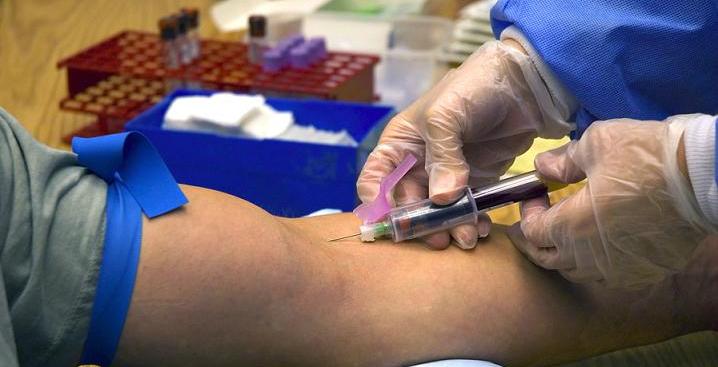
A phlebotomist is a healthcare professional trained specifically to draw blood from patients for laboratory testing, blood donations, or transfusions. Often working in hospitals, clinics, blood donation centers, or diagnostic laboratories, phlebotomists play a vital role in the medical diagnostic process. Their accurate and safe blood collection is critical for proper diagnosis and treatment planning.
phlebotomist Job Responsibilities
Main Duties and Tasks
- Collect blood samples from patients using sterile techniques
- Verify patient identity and explain procedures clearly
- Prepare blood collection equipment and ensure sample labeling accuracy
- Follow health and safety regulations to prevent contamination and infection
- Maintain accurate patient records and sample documentation
- Transport samples to laboratories following proper procedures
- Monitor patients for adverse reactions during or after blood draws
- Maintain a clean and organized work environment
Educational and Certification Requirements
Basic Education
Typically, aspiring phlebotomists should have a minimum of a high school diploma or GED. Some employers prefer or require post-secondary training or certification.
Phlebotomy Certification
While certification requirements vary by state and employer, obtaining a phlebotomy certification significantly enhances job prospects and credibility. Certification programs are offered by various accredited agencies such as:
- American Society for Clinical Pathology (ASCP)
- National Healthcareer Association (NHA)
- american medical Technologists (AMT)
Certification usually involves completing a training program and passing an exam. Some states also require licensure, so always check local regulations.
Skills and Qualities of a Accomplished Phlebotomist
Essential Skills
- attention to detail: Accurate labeling and sample handling
- Good dialog skills: Explaining procedures and calming patients
- Steady hand and dexterity: Precise blood collection in various patient scenarios
- Physical stamina: Standing for long periods and handling equipment
- Empathy and patience: Dealing with anxious or difficult patients
- Knowledge of safety protocols: Infection control and device handling
Common Soft Skills
- Customer service-oriented mindset
- Crisis management abilities
- Teamwork and collaboration skills
- Reliability and punctuality
Phlebotomist Salary Insights
Average Salary Range
| Experience Level | Average Annual Salary | Location |
|---|---|---|
| Entry-Level | $25,000 – $35,000 | National Average |
| Mid-Level | $35,000 - $45,000 | Urban & Suburban Areas |
| Experienced/Certified | $45,000 – $55,000+ | Major cities and healthcare hubs |
Factors Influencing Salary
- Geographic location
- Level of certification and experience
- Type of healthcare facility
- Working hours (e.g., night shifts may pay more)
Benefits of Being a Phlebotomist
- High demand for healthcare professionals
- Opportunities for career advancement and specializations
- Competitive salary and benefits packages
- Fulfilling work helping patients and supporting medical diagnostics
- Flexible work environments in hospitals, clinics, and blood banks
Practical tips to Excel as a Phlebotomist
- Obtain proper training and certification to boost credibility
- Maintain excellent hygiene and safety practices consistently
- Develop strong patient communication skills to reduce anxiety and improve cooperation
- Practice yoru technique regularly to ensure vein puncture proficiency
- Stay updated with the latest phlebotomy protocols and healthcare standards
- Build a professional network within healthcare settings for growth opportunities
Case Study: First-Hand Experience of a Successful Phlebotomist
Maria, a certified phlebotomist with three years of experience, shares her journey. she emphasizes that patience and empathy were key to her success. “Initially, I was nervous about drawing blood from difficult veins, but with practice and perseverance, I gained confidence. Today, I enjoy making patients feel agreeable and part of their healing process.”
Conclusion
The role of a phlebotomist is a vital component of the healthcare system, combining technical skill with compassionate patient care. With clear educational pathways, certification opportunities, and growing job prospects, pursuing a career as a phlebotomist can be both fulfilling and financially rewarding. Weather you’re just starting out or looking to advance your career, understanding the comprehensive job description, requirements, skills, and salary insights can help you make informed decisions and achieve success in this dynamic healthcare profession.