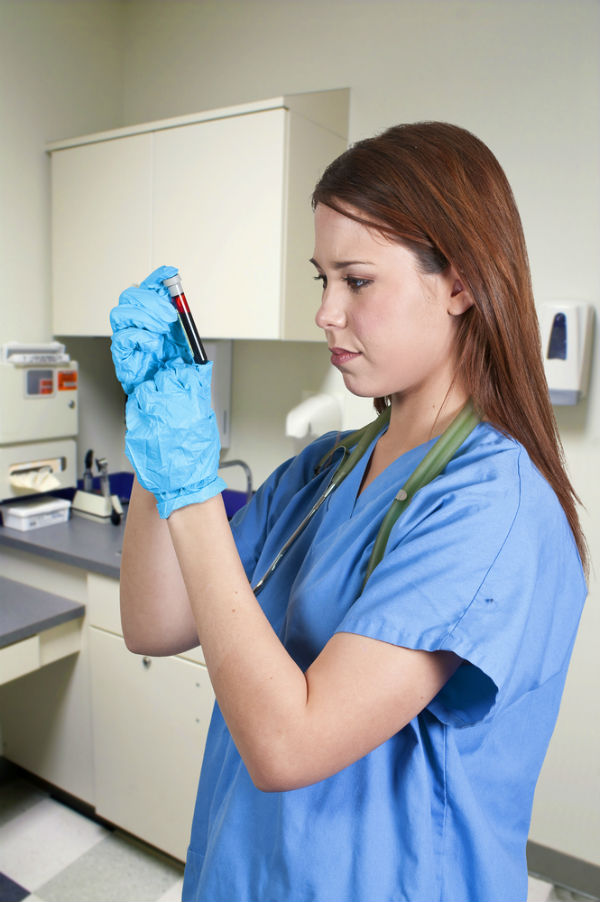
How to Become a Skilled Medical Phlebotomist: Essential Tips and Career Insights
If you’re considering a career in healthcare that combines compassion, precision, and patient interaction, becoming a skilled medical phlebotomist can be an excellent choice. Phlebotomy plays a critical role in diagnostics, and its demand continues to grow with the expansion of healthcare services. In this comprehensive guide,you’ll discover the essential steps,practical tips,and insights to help you excel in your journey toward becoming a proficient phlebotomist.
Introduction to Phlebotomy as a Healthcare Career
Phlebotomy involves drawing blood samples from patients for laboratory testing,blood donations,or transfusions.As a vital link in the healthcare chain,skilled phlebotomists ensure that blood collection is performed safely,efficiently,and with patient comfort in mind. This career offers a blend of technical skill and interpersonal communication, making it both rewarding and in high demand.
Why Choose a Career in Phlebotomy?
- High demand and job security: Healthcare facilities constantly need qualified phlebotomists.
- Relatively fast training: Certification programs can ofen be completed in a few months.
- Good earning potential: Competitive salaries with opportunities for advancement.
- Flexible work environments: Hospitals, clinics, blood banks, and mobile testing units.
- Personal fulfillment: Helping patients and contributing to healthcare diagnostics.
Essential Tips to Become a Skilled Medical Phlebotomist
1. Obtain the Necessary Education and Training
Starting with proper training is crucial to becoming a competent phlebotomist. Most states in the U.S. require certification, wich necessitates completing an accredited phlebotomy training program. These programs typically include:
- Classroom instruction on anatomy,physiology,and blood collection techniques
- Hands-on practice with blood draw procedures
- Learning safety protocols and infection control
- Patient interaction and communication skills
2. Obtain Certification
certification validates your skills and enhances your employability. Popular certifying agencies include:
- American Society for Clinical Pathology (ASCP)
- National Phlebotomy Association (NPA)
- American certification Agency (ACA)
Requirements typically involve completing a training program and passing an exam. Ensure your program and certification are accredited and recognized in your state.
3. Develop Practical Skills and Confidence
Proficiency in blood collection techniques is essential. Practice regularly and seek supervised training opportunities. focus on:
- Venipuncture accuracy and safety
- Proper patient identification and communication
- Handling of specimens to prevent contamination
- Managing challenging veins and anxious patients
4. Gain Real-World Experience
Experience is vital to honing your skills. Pursue internships, externships, or entry-level positions in clinics or hospitals. Practical exposure helps you:
- Build confidence and technique
- Handle diverse patient populations
- Learn troubleshooting and problem-solving for tricky draws
5. Prioritize Patient Comfort and Safety
Being a good phlebotomist also involves soft skills:
- Establish trust and rapport with patients
- Explain procedures clearly to reduce anxiety
- Follow strict safety and infection control protocols
Additional Recommendations for Aspiring Phlebotomists
| Tip | Details |
|---|---|
| stay Informed | Keep up with new techniques, equipment, and regulations in phlebotomy. |
| Network Professionally | Join associations such as the American Society for Clinical Pathology for resources and job leads. |
| Practice Good Communication | Clear, compassionate communication improves patient experience. |
| Emphasize Safety | Always follow OSHA and CDC guidelines to prevent infection and injury. |
Benefits and Practical Tips for Aspiring Phlebotomists
- Develop Steady Hands: Practice makes perfect for minimizing discomfort during blood draws.
- Build Empathy: Patients may be anxious; a reassuring attitude can ease their fears.
- Learn Office Protocols: Familiarize yourself with medical records, specimen handling, and documentation.
- Stay Physically Fit: The job involves standing and repetitive motions; good physical resilience is beneficial.
Case Study: From Novice to Expert Phlebotomist
Maria, a recent graduate, started her career as a phlebotomist in a community clinic. She dedicated herself to practice and continuous learning, taking advanced courses and volunteering for challenging procedures. Over time, Maria gained confidence in her skills and was promoted to lead technician, demonstrating the importance of ongoing professional advancement. Her experience highlights the value of perseverance,practice,and passion for patient care.
First-Hand Experience: What It Really Takes
Many prosperous phlebotomists describe their experiences as both challenging and rewarding. Being attentive to patient needs, maintaining a steady hand, and adhering to strict safety standards are vital. Gaining firsthand experience, whether through internships or on-the-job training, helps bridge the gap between theoretical knowledge and real-world execution.
Career Outlook and Advancement Opportunities
As you establish your skills, look for opportunities to advance your career in phlebotomy or healthcare. Possible pathways include:
- Specializing in pediatric or geriatric phlebotomy
- Becoming a certified medical assistant or laboratory technician
- Moving into training or supervisory roles
The healthcare field offers continuous growth potential for those committed to lifelong learning.
Summary: Your Path to Becoming a Skilled Medical Phlebotomist
Embarking on a career as a skilled medical phlebotomist requires a combination of proper education, certification, practical experience, and a compassionate approach to patient care. By focusing on developing technical proficiency, prioritizing safety, and honing your interpersonal skills, you can build a rewarding career in healthcare that makes a real difference in people’s lives.
Final Thoughts
Whether you’re just starting or seeking to enhance your skills, remember that continuous learning and genuine care are key. The demand for qualified phlebotomists remains strong, and with dedication, you can become a vital part of healthcare teams, ensuring accurate diagnostics and better patient outcomes.