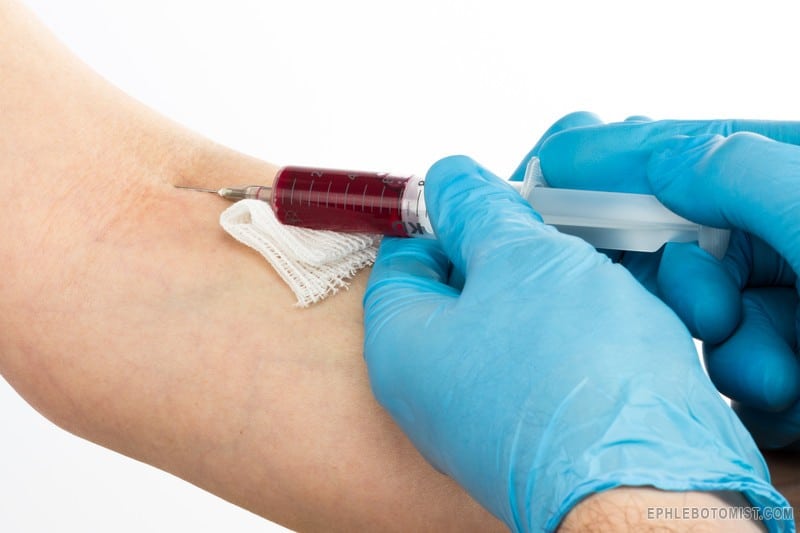
How to Become a Skilled Laboratory Phlebotomist: Tips, Skills, and Career Insights
Embarking on a career as a laboratory phlebotomist is a rewarding path for individuals interested in healthcare, patient interaction, and laboratory diagnostics. With the right training, skills, and dedication, you can excel in this vital role that bridges patients and laboratory testing processes. this thorough guide will walk you through the essential steps, skills, benefits, and practical tips to become a proficient laboratory phlebotomist and build a prosperous career in this field.
Understanding the Role of a Laboratory Phlebotomist
A laboratory phlebotomist is responsible for collecting blood samples from patients for laboratory testing. Their work is critical for diagnosing diseases, monitoring health conditions, and supporting medical research. Effective phlebotomy requires technical skills,empathy,attention to detail,and adherence to safety protocols.
Why Pursue a Career as a Phlebotomist?
- High demand: The healthcare industry consistently seeks qualified phlebotomists to meet growing laboratory testing needs.
- Entry-level opportunities: Many programs offer quick pathways into the profession with certification options.
- Contributing to healthcare: Play a vital role in patient care and medical diagnostics.
- Career advancement: opportunities to specialize or advance into supervisory roles or laboratory technician positions.
Educational and Certification Requirements
Basic Education
Most employers require a high school diploma or equivalent to start training as a phlebotomist.
Phlebotomy Certification Programs
Completing a certified phlebotomy training program enhances your skills and employment prospects. Certification is often preferred or required by employers and can improve your earning potential.
| Certification Agency | Duration | Eligibility | Cost |
|---|---|---|---|
| American Society for clinical Pathology (ASCP) | 3-6 months | High school diploma & training hours | $150 |
| National Healthcareer Association (NHA) | Varies | Training & clinical hours | $100-$200 |
| American Medical Technologists (AMT) | 3-6 months | Educational prerequisites & clinical experience | $125 |
Essential Skills for Aspiring Laboratory Phlebotomists
Technical Skills
- Proper blood collection techniques (venipuncture & capillary puncture)
- Correct sample labeling and handling
- Knowledge of blood collection equipment and safety protocols
- Understanding of laboratory procedures and documentation
Soft Skills
- Communication: Clear, empathetic interaction with patients
- Attention to detail: Accurate labeling and documentation
- Patience and composure: Managing tough or anxious patients
- Physical stamina: Ability to stand for long periods and perform repetitive tasks
Practical Tips to Develop Your Phlebotomy Skills
- Enroll in accredited training programs that offer hands-on clinical practice
- Practice blood collection under supervision to build confidence and proficiency
- Familiarize yourself with anatomy, especially veins and arteries
- Always follow safety and infection control protocols
- Seek feedback from experienced professionals and continually improve your technique
Gaining First-Hand Experience
Internships and externships during your training provide invaluable real-world experience. Working in clinical labs or hospitals allows you to apply your skills in a real setting, learn from seasoned professionals, and build a network in the healthcare industry.
benefits of Becoming a Skilled Laboratory Phlebotomist
- Job stability: Consistent demand in healthcare settings
- Flexible work environments: Hospitals, clinics, diagnostic laboratories, and blood donation centers
- Effective patient interaction: develop empathetic communication skills
- Pathway to further healthcare careers: Opportunities to advance into medical assisting, laboratory technology, or healthcare management
Case Study: Success story of a Certified Phlebotomist
Meet Lisa – from Training to Career Excellence
Lisa completed a certified phlebotomy program, passed her certification exam, and started working at a local hospital. Her dedication to learning and patient care led her to specialize in pediatric phlebotomy, making a difference in young patients’ lives. Today, she mentors new students and continues to grow her expertise in laboratory sciences.
Career insights and Future Outlook
The Bureau of Labor Statistics predicts continued growth in the phlebotomy profession, driven by aging populations and expanding healthcare services. With experience and additional certifications,you can explore roles in specialized fields or higher-level laboratory positions,increasing your salary and professional satisfaction.
Conclusion
Becoming a skilled laboratory phlebotomist involves dedicated training,developing essential skills,gaining practical experience,and maintaining a compassionate approach toward patients. Whether you’re starting fresh or considering a career change, the pathway to becoming a competent phlebotomist is accessible and rewarding. By following the tips outlined in this guide, leveraging certification opportunities, and committing to continuous learning, you can build a successful career in this vital healthcare profession.Embrace the journey – your proficiency as a phlebotomist can make a meaningful impact on patient health and clinical diagnostics.