Ultimate Guide to Phlebotomist Careers: skills, Responsibilities, and How to Get Started
Are you considering a career in healthcare that offers stability, meaningful work, and the opportunity to make a difference? Becoming a phlebotomist might be the perfect choice. This comprehensive guide walks you through the essentials of a phlebotomist career, including key skills, job responsibilities, educational pathways, and practical tips to get started. Whether you’re just exploring healthcare professions or ready to jump into training,this article provides valuable insights to help you succeed.
What Is a Phlebotomist?
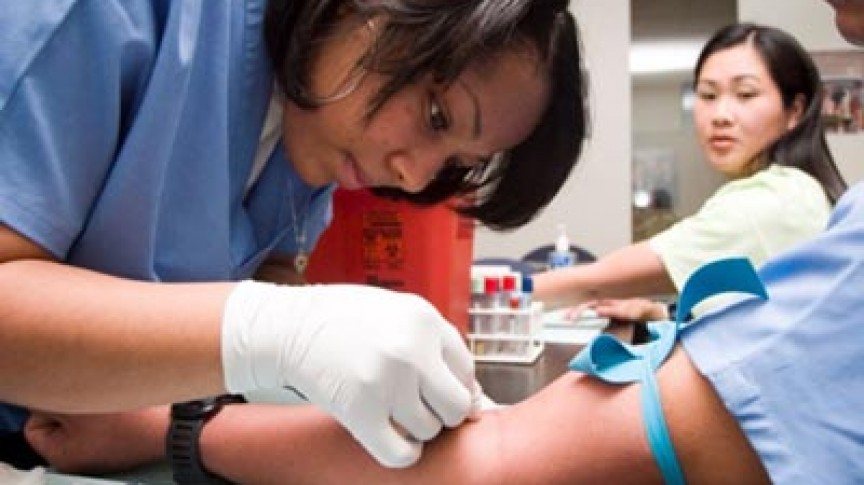
A phlebotomist is a healthcare professional trained to draw blood from patients for laboratory testing,transfusions,donations,or research. Thay play a critical role in the medical diagnostic process, ensuring samples are collected accurately and safely. Thier work supports doctors, nurses, and laboratory technicians in diagnosing illnesses, monitoring health, and managing treatments.
Key Skills Required for a Successful Phlebotomist
Being a proficient phlebotomist requires a specific set of skills that combine technical ability with interpersonal finesse. Here are the most vital skills for this healthcare profession:
Technical Skills
- Proper blood collection techniques
- Knowledge of venipuncture procedures
- Understanding anatomical landmarks for vein location
- Proficiency in sample labeling and handling
- Familiarity with laboratory equipment and safety protocols
Interpersonal Skills
- Excellent communication abilities
- Empathy and patience with patients
- Ability to reassure anxious or frightened patients
- Strong attention to detail
- Good teamwork and collaboration skills
Physical Skills
- Steady hand-eye coordination
- Good vision and dexterity
- Capability to stand for extended periods
primary Responsibilities of a Phlebotomist
Understanding the main duties helps clarify what a typical day looks like for a phlebotomist:
Main Job Functions
- Preparing patients and explaining procedures prior to blood draw
- Ensuring proper patient identification
- Performing venipuncture or capillary puncture accurately and safely
- Labeling and documenting collected samples meticulously
- Maintaining sterile and organized work surroundings
- Ensuring specimen integrity during transportation
- Following safety protocols to prevent contamination and injuries
- Providing excellent patient care and reassurance
- Assisting in inventory management of supplies and equipment
Educational Pathways and Certification
Embarking on a phlebotomy career involves obtaining the right education and certification to demonstrate competency.Here’s how to get started:
Educational Requirements
- High school diploma or GED equivalent
- completion of a phlebotomy training program approved by accreditation bodies
- Optional: Advanced certifications or associate degrees in healthcare
Phlebotomy Certification
While certification is not always mandatory,earning a professional credential significantly improves employability and credibility. The most recognized certifications include:
- Certified Phlebotomy Technician (CPT) by the American Society for Clinical Pathology (ASCP)
- National Certified phlebotomy Technician (NCPT) by the National Healthcareer Association (NHA)
- Certified Phlebotomy technician (CPT) by the American Medical Technologists (AMT)
Training Programs
| Program Type | Duration | Cost Range |
|---|---|---|
| Community College Courses | 4-12 weeks | $500 – $2,000 |
| Vocational Schools | Several weeks | $1,000 – $3,000 |
| Online Certification Programs | Flexible, self-paced | $300 - $1,500 |
benefits of a career as a Phlebotomist
Choosing a path as a phlebotomist offers numerous advantages:
- Job Security: Steady demand in healthcare facilities.
- Flexible Scheduling: Opportunities for part-time, full-time, or shifts.
- Entry-Level Accessibility: Short training programs allow quick entry into the workforce.
- Rewarding Work: Directly contribute to patient health and medical diagnoses.
- Career Advancement: Opportunities to specialize, become supervisor, or pursue further healthcare education.
Practical Tips to Launch Your Phlebotomy Career
Getting started can feel overwhelming, but these practical tips will set you on the right path:
- Research accredited training programs in your area or online.
- Gain hands-on experience through internships or externships.
- Obtain certification to enhance your employability.
- Develop excellent communication and patient care skills.
- Create a professional resume highlighting your training and skills.
- Apply to hospitals, clinics, blood banks, and laboratories.
- Stay updated with industry standards and continuing education opportunities.
Case Study: A Day in the life of a Phlebotomist
Meet Sarah, a certified phlebotomist working at a busy outpatient clinic. Her day begins with preparing supplies and reviewing schedules. She greets patients with a smile, explains procedures clearly, and performs blood draws efficiently, even with patients who are nervous. Sarah values the trust her patients place in her and knows that precise sample collection helps doctors make accurate diagnoses. Her attention to detail and interpersonal skills help her build rapport with patients, making her job not only rewarding but also fulfilling.
Conclusion
Embarking on a career as a phlebotomist can be an excellent choice if you’re interested in healthcare, enjoy working with people, and seek a profession with growth potential. With the right skills, proper certification, and a compassionate approach, you can find a fulfilling and stable career in this vital medical field. Whether you’re just starting or looking to advance, understanding the responsibilities, benefits, and pathways will empower you to succeed as a healthcare professional dedicated to saving lives-one blood draw at a time.