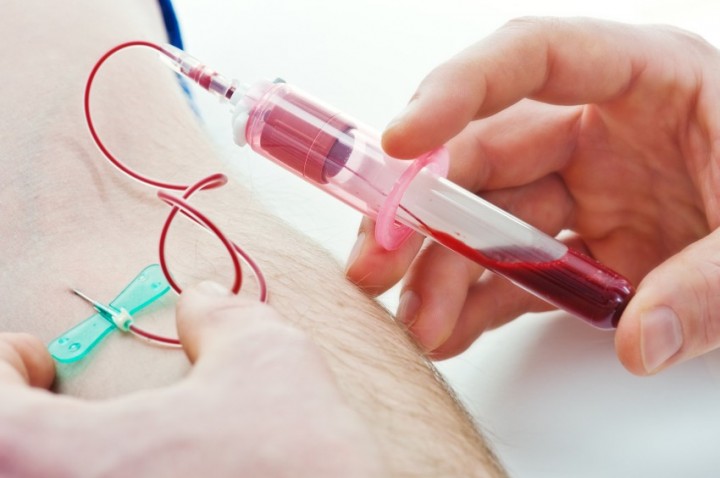
Complete Guide to the phlebotomy Process: Steps, Tips, and Best Practices
Welcome to our extensive guide on the phlebotomy process-an essential skill for healthcare professionals involved in blood collection. Whether you’re a new phlebotomist or seeking to refine your technique, understanding each step of the blood draw, along with practical tips and best practices, is crucial for ensuring patient safety, comfort, and accurate diagnostic results. In this article, we’ll walk you through the complete blood collection process, share expert tips, highlight common challenges, and include real-world insights to help you excel in this vital healthcare procedure.
Introduction to Phlebotomy
Phlebotomy, the practice of drawing blood for laboratory testing, donation, or transfusions, is a critical component of modern medicine.Proper technique not only guarantees the integrity of blood samples but also minimizes discomfort and risk for patients. Mastering the phlebotomy process requires understanding the anatomy, selecting appropriate equipment, and following strict safety standards.
The Complete Step-by-Step Phlebotomy Process
1. Readiness and Patient Identification
- Gather equipment: Tourniquet, alcohol swabs, needles, collection tubes, gloves, adhesive tapes, and sharps disposal.
- Identify the Patient: Confirm patient identity using two identifiers (e.g., name and DOB).
- Explain the Procedure: inform the patient about the procedure to ease anxiety.
- Wash Hands and Wear Gloves: Follow worldwide precautions to prevent infection.
2. Selecting the Site and Applying the Tourniquet
- Choose an Appropriate Vein: Typically, the median cubital vein is preferred.
- Apply Tourniquet: Tighten the tourniquet 3-4 inches above the selected site to engorge the vein without causing discomfort.
- Palpate and Confirm Vein: Feel for a prominent, soft vein that is easily accessible.
3. Disinfecting the site
- Clean the Area: use an alcohol swab, moving in concentric circles from the center outward.
- Allow to Air-Dry: Ensure the skin is dry before needle insertion to reduce discomfort and infection risk.
4. Performing the Venipuncture
- Assemble the Equipment: Attach the appropriate needle to the collection device.
- insert the Needle: Hold the skin taut with your non-dominant hand; insert the needle at a 15-30° angle into the vein smoothly.
- Collect the Blood: Attach collection tubes in order, filling them as needed.
- Maintain Comfort: Communicate with the patient during the process.
5. Releasing the Tourniquet and Withdrawing the Needle
- Release Tourniquet: Before removing the needle, unclench the tourniquet to prevent hematoma formation.
- Remove the Needle: Gently withdraw the needle and instantly activate the safety device.
6. Applying Pressure and Securing the Site
- Apply Gauze: Use sterile gauze to press the site firmly for at least 1-2 minutes.
- Secure with Bandage: Place an adhesive bandage over the puncture site.
Post-Procedure Care and Documentation
- Check for Bleeding: Ensure bleeding has stopped before dismissing the patient.
- Label Samples Properly: Confirm labels match patient details and procedure details.
- Document the Procedure: Record date,time,site,type of sample,and any complications.
Best Practices and Tips for a Accomplished Phlebotomy
- Choose the Right Equipment: Use butterfly needles for small or arduous veins, and standard needles for larger veins.
- Maintain Cleanliness: Follow strict hygiene protocols to prevent infection.
- Stay Calm and Confident: Confidence reduces patient anxiety and increases success rate.
- Adapt Techniques: respect patient comfort-consider option sites if needed.
- Practice Good Dialog: Keep the patient informed throughout the procedure.
Common Challenges and Troubleshooting
| Challenge | Solution | tips |
|---|---|---|
| Unable to find a vein | Warm the area; ask patient to make a fist; hydrate beforehand | Use a tourniquet effectively; change site if necessary |
| Collapse of vein during blood draw | Reduce the tourniquet tightness; use a smaller gauge needle | Ensure patient remains relaxed; avoid over-aspiration |
| Patient feels dizzy or faint | Discontinue immediately; help patient lie down | Monitor and reassure; offer fluids afterward |
Benefits of Proper Phlebotomy Technique
- Accurate Lab Results: Proper sample collection minimizes pre-analytical errors.
- Patient Comfort and Satisfaction: Gentle, confident technique reduces discomfort and anxiety.
- Patient Safety: Adherence to safety standards prevents infections and complications.
- Professional Reputation: Skilled phlebotomists build trust with patients and healthcare teams.
Case Studies: Real-World Insights
Case Study 1: Overcoming Difficult Veins
A phlebotomist successfully collected blood from an elderly patient with fragile, small veins by using a butterfly needle and applying warmth to the area. This approach minimized discomfort and prevented vein collapse.
Case Study 2: Managing a Fainting Patient
During a routine blood draw, a patient felt faint. the phlebotomist promptly removed the needle, helped the patient lie down, and provided reassurance. After recovery, the procedure was rescheduled with extra hydration and anxiety management techniques.
First-Hand Experiences and Tips from Professionals
Many experienced phlebotomists emphasize the importance of patience, continuous learning, and compassion. Some tips include practicing on colleagues, staying updated with new equipment innovations, and always respecting patient preferences.
Conclusion
the phlebotomy process may seem straightforward, but performing it safely and effectively requires skill, attention to detail, and compassion. By following the detailed steps outlined in this guide-ranging from patient identification to post-procedure care-you can ensure a successful blood collection experience for both patients and healthcare providers.Remember, continuous practice and adherence to best practices not only improve diagnostic accuracy but also strengthen trust and safety in healthcare settings. Mastering the art of phlebotomy ultimately contributes to better patient outcomes and professional growth in the healthcare industry.