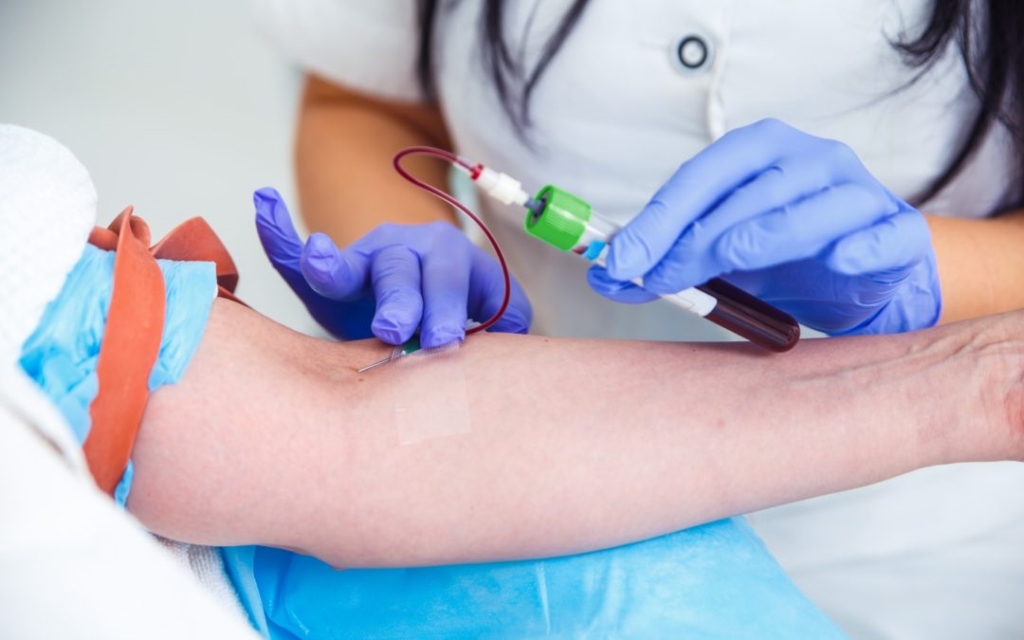
Top Tips from Phlebotomy Training Specialists to Jumpstart Your Medical Careers
Whether you’re considering a fast-entry path into healthcare or aiming to broaden your clinical skillset, phlebotomy offers a practical, in-demand route to a rewarding medical career. With the right guidance from phlebotomy training specialists, you can master essential techniques, understand safety and specimen handling, and position yourself for growth in hospitals, clinics, and diagnostic labs. this complete guide shares field-tested tips, practical steps, and real-world insights to help you jumpstart your medical career today.
Why Phlebotomy Matters in Healthcare Careers
Phlebotomy is more than just drawing blood. It is a critical entry point into the laboratory workflow, patient care, and broader clinical teams. A solid foundation in phlebotomy can lead to opportunities in nursing, physician assistant programs, medical laboratory technology, and other allied health roles. Key reasons to consider phlebotomy training include:
- Swift entry-to-work pathway: Many phlebotomy training programs offer certificate options in a few weeks to months, enabling you to begin earning and gaining hands-on experience.
- High demand and stable job prospects: Hospitals, clinics, blood banks, and diagnostic labs seek skilled phlebotomists to support patient care and specimen collection.
- Foundational clinical skills: You’ll learn venipuncture, specimen labeling, specimen handling, tourniquet use, glucose testing, CBC basics, and more-skills transferable to many healthcare roles.
- Clear stepping-stones: A CPT (Certified Phlebotomy Technician) credential can serve as a springboard toward advanced certifications and career progression.
Top Tips from Phlebotomy Training Specialists
Below are field-tested guidelines from professionals who train phlebotomy students every day. Use these tips as a practical framework as you study, practice, and prepare for certification and employment.
- Master the fundamentals of venipuncture and safety
- Practice proper vein palpation,needle insertion,and tube order of draw to prevent specimen mix-ups.
- Learn CLS I guidelines and evidence-based safety practices for blood collection, including infection control and PPE usage.
- Study the blood-draw essentials in diffrent settings
- Phlebotomy procedures in hospitals, clinics, and mobile labs have nuances-expect variations in patient age groups and cooperation levels.
- Understand pre-analytical variables that affect results, such as incorrect labeling, hemolysis risk, and sample handling delays.
- Prioritize patient communication and comfort
- Introduce yourself,explain the procedure clearly,and obtain consent. Use calming language and offer a comfort technique to reduce anxiety.
- Adapt your approach for anxious patients, children, and individuals with arduous veins or fear of needles.
- Practice rigorously with simulated models and real-world observation
- Use training mannequins and portfolio simulations to build accuracy before working with real patients.
- Shadow experienced phlebotomists to observe technique,equipment choices,and patient interactions in clinical rotations.
- Learn the order of draw and specimen handling like a pro
- Memorize the designated order of draw for common test panels and recognize the importance of timely labeling and proper tube handling.
- Understand transport requirements, refrigeration needs, and chain-of-custody for certain tests.
- Build a strong foundation in safety and infection control
- Know when to change PPE, how to prevent needlestick injuries, and how to dispose of sharps properly.
- Follow clean-catch and aseptic techniques when required, and maintain a clean, organized workstation.
- Invest in certification and ongoing education
- Pursue a Certified Phlebotomy Technician (CPT) credential through recognized bodies such as ASCP, NHA, or AMT.
- Plan continuing education to stay current with new collection devices, safety protocols, and lab requirements.
- Seek hands-on clinical rotations and real-world experience
- Clinical rotations provide supervised practice, confidence-building, and networking opportunities in your target healthcare setting.
- Ask about rotation length, patient diversity, and exposure to specialty labs (pediatrics, immunology, infectious disease).
- Develop accuracy and attention to detail
- Small mistakes in labeling, sample collection, or tube handling can impact lab results. create checklists and double-check your work.
- Keep a personal log of challenges and solutions to improve performance over time.
- Plan your career path with intention
- Identify adjacent roles (phlebotomy in infusion centers, hospital labs, or mobile blood drives) that align with your interests.
- Set short-term (6-12 months) and long-term (2-5 years) goals, including certifications if you intend to pursue hospital-based roles.
Practical Tips to Implement Today
- Keep a study schedule and practice the order of draw using colored tube diagrams.
- Join a study group to rehearse venipuncture simulations and share best practices.
- Request feedback from instructors after mock patient-callouts or simulated draws to accelerate improvement.
- Maintain a minimalist kit: tourniquet, alcohol swabs, cotton balls, needle disposal container, and a small notebook for notes.
benefits and Practical tips for Aspiring Phlebotomists
Succeeding in phlebotomy training brings a array of tangible benefits and practical skill-building opportunities that translate into broader healthcare competence. Here are the primary advantages and actionable tips to maximize your learning journey.
- Rapid credentialing: Certificate programs often require less time than other healthcare degrees, enabling quicker entry into the job market.
- Clear skill map: the core competencies-venipuncture technique, specimen handling, safety, and patient communication-provide a readable skill map for employers and educators.
- Strong foundation for cross-training: Experience in phlebotomy complements nursing, lab tech, medical assisting, and CDL-like roles in mobile clinics or outreach.
- Real-world patient impact: You contribute directly to diagnostic processes by ensuring accurate sample collection, patient comfort, and timely results.
Short Guide to the Certification Path
Understanding the route to certification helps you plan your training schedule with confidence. A typical path includes:
- Enroll in a phlebotomy training program that covers clinical practice and safety standards.
- Complete hands-on practice hours under supervision during clinical rotations.
- Prepare for and pass a national or regional certification exam (e.g.,CPT credentials).
- Maintain certification through continuing education and periodic recertification requirements.
Case Studies: Real-World Applications
Short case studies illustrate how these tips translate into successful outcomes in real training environments.
Case Study 1: From Student to Entry-Level Phlebotomist in 8 Weeks
Anna enrolled in a 8-week phlebotomy certificate program. She focused on mastering the venipuncture technique, patient communication, and the order of draw. Through clinical rotations,she gained confidence in labeling accuracy and specimen transport workflows. After passing the CPT exam, she secured a full-time phlebotomy role at a regional hospital with opportunities for cross-training in the outreach laboratory screen team. her daily routine now includes blood draws for routine panels, arterial blood gas collection, and pediatric specimen collection with specialized safety protocols.
case Study 2: Overcoming Difficulty with Difficult Draws
Rafael initially struggled with challenging venous access. He leveraged mentorship from experienced phlebotomists, practiced on simulated arms, and documented each attempt to identify patterns. He learned alternative sites, optimized patient positioning, and adopted distraction techniques for anxious patients. Within a few months, Rafael reported higher success rates, improved patient satisfaction scores, and a promotion to a lead phlebotomist role responsible for mentoring new hires.
First-Hand Experience: A Day in the Life of a Growing Pro
“When I started my phlebotomy training, I expected to learn how to draw blood. What surprised me was how much communication and precise handling mattered. A patient’s comfort, a correctly labeled tube, and a clean workflow can change a lab’s day. My instructors emphasized not only technique but also respect for diverse patient needs-elderly patients with fragile veins, anxious teenagers, and busy healthcare workers rushing between floors. that perspective helped me approach each draw with care, confidence, and curiosity about how these samples guide diagnosis.”
certification Paths and Career Prospects
Choosing the right certification path can influence job opportunities, salary potential, and long-term growth. Here’s a concise overview of common routes and their implications.
| Certification Type | Typical Duration | Pros | Ideal For |
|---|---|---|---|
| Certified Phlebotomy Technician (CPT) | 4-12 weeks | Widely recognized; quick entry to practice | |
| Registered Phlebotomy Technician (RPT) | 2-6 months | Higher recognition in some regions; potential for advancement | |
| National Certification (ASCP, AMT, NHA) | Exam-based after training | Stronger credential with broader job mobility |
Beyond certification, many phlebotomists pursue additional skills such as venipuncture with special populations (pediatrics, geriatric patients), microbiology specimen integrity, and effective patient education. This broader skill set enhances employability in hospital labs, blood banks, and outpatient clinics.
Tools, Resources, and Study Aids
Leverage these resources to accelerate mastery and recall of essential concepts:
- Practice guides and flashcards for the order of draw and specimen labeling
- Video tutorials demonstrating proper venipuncture technique and needle safety
- Simulation labs and practice arms to build muscle memory
- Clinical rotation checklists to ensure comprehensive exposure
- Professional organizations’ practice guidelines and continuing education opportunities
Common Questions (FAQ)
What is the typical salary for entry-level phlebotomists?
Salary varies by region, facility type, and experience, but entry-level phlebotomists frequently enough earn in the range of $14-22 per hour, with room for growth as you gain certification and experience.
Do I need to be a student to enroll in a phlebotomy training program?
Many programs accept motivated adults with a high school diploma or equivalent. Some programs accommodate part-time schedules for working adults.
How meaningful is hands-on practice?
Hands-on practice is essential. The more simulated and real-world practice you have before entering patient care, the more confident and safe you will be during actual blood draws.
What if I’m nervous about needles?
Begin with practice on simulation tools, learn patient communication techniques to ease anxiety, and progress gradually to supervised real-patient draws. Many students overcome needle fear with experience and supportive mentoring.
Conclusion: Start Your Medical Career with confidence and Clarity
Phlebotomy is a practical, impactful, and fast-track route into the medical field. By focusing on core skills-venipuncture technique, safety and infection control, accurate specimen handling, and compassionate patient communication-you can differentiate yourself in a competitive healthcare job market. The most successful students combine structured training with hands-on practice, pursue certified credentials, and actively seek clinical rotations that broaden their exposure to different lab settings. Use the top tips from phlebotomy training specialists as your blueprint: practice deliberately, stay curious, and build a continuous education mindset. As you gain experience and credibility, doors open to more advanced roles in nursing, medical laboratory technology, or allied health specialties, enabling you to craft a meaningful, long-term healthcare career.
Remember, your journey starts with a single draw-and a commitment to patient care, precision, and professional growth. If you’re ready to jumpstart your medical career, enroll in a reputable phlebotomy training program, earn your CPT credential, and begin building hands-on experience today.