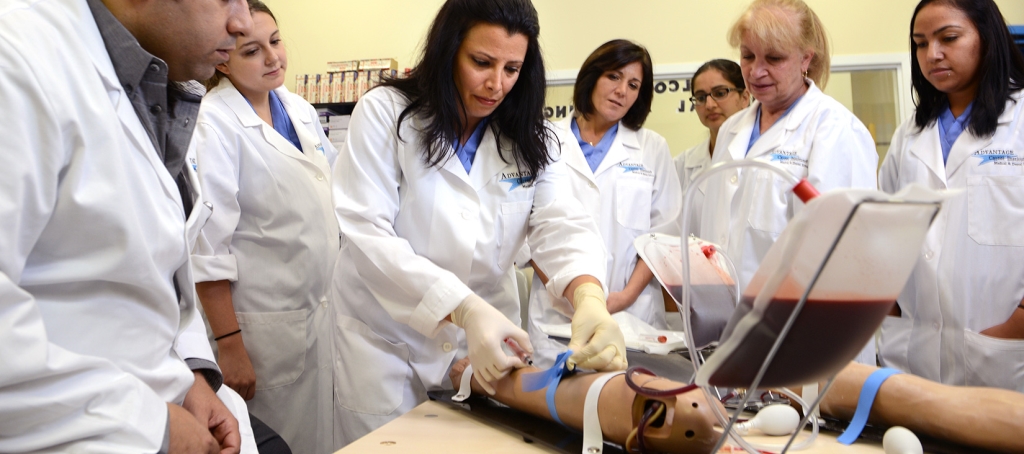
Master Phlebotomy & EKG Skills: Essential Training for healthcare Success
In any clinical setting, being proficient in phlebotomy and EKG (electrocardiogram) skills is more than just a job requirement-it’s a commitment to patient safety, accurate diagnostics, and efficient workflow. Whether you’re starting a healthcare career or seeking advancement, mastering core phlebotomy techniques and fundamental EKG procedures lays a strong foundation for clinical excellence. This comprehensive guide walks you through essential training for phlebotomy and EKG, practical tips, and real-world insights to help healthcare professionals thrive.
You’ll find practical steps,hands-on tips,and evidence-based best practices designed to boost confidence in the blood draw process,improve the quality of specimens,and ensure reliable ECG recordings.By combining theoretical knowledge with hands-on practice, you’ll be well-prepared for a busy hospital, clinic, or diagnostic lab surroundings.
Why Master Phlebotomy & EKG Skills Matter
- Accuracy and safety: Proper venipuncture and specimen handling reduce the risk of hemolysis, mislabeling, and diagnostic errors.
- Patient experience: clear communication, gentle technique, and comfort-focused care improve patient trust and cooperation.
- Efficiency: Efficient collection and accurate ECG recordings streamline workflows and reduce repeat testing.
- career growth: Phlebotomy technician and EKG technician certifications open doors to stable healthcare roles with clear career ladders.
- compliance: Adherence to HIPAA, OSHA safety guidelines, and CLIA requirements minimizes liability and enhances quality control.
Phlebotomy Essentials: Core Skills & Best Practices
Venipuncture technique
A clean,confident venipuncture begins with patient communication and proper planning. Use the dominant hand to identify a suitable vein, apply a tourniquet correctly, and select the appropriate needle gauge (typically 21-23 gauge for adults). Anchor the vein, insert at a shallow angle, and smoothly advance while observing for blood flashback.
Blood Collection Tubes & Order of Draw
Following the correct order of draw minimizes cross-contamination of additives. Common orders include blood culture bottles first,followed by serum separator tubes,and then plasma tubes. Know which tubes require ice, centrifugation, or special handling.
Specimen Labeling & Handling
Label specimens instantly at the patient’s side with a unique identifier, patient name, DOB, date/time, and your initials. Double-check barcodes and ensure proper tube labeling to prevent misidentification and transcription errors.
Safety & Infection Control
PPE, hand hygiene, and proper disposal of sharps are non-negotiable.Follow standard precautions, avoid recapping needles, and promptly decontaminate work surfaces. Regularly inspect equipment for wear and tear, and report any issues promptly.
Patient Communication & Comfort
Explain each step, offer to discuss any concerns, and adjust technique to reduce anxiety. For anxious or pediatric patients, distraction strategies and a calm demeanor can make a big difference in cooperation.
EKG Essentials: Basic Rhythm & Lead Placement
Lead Placement 101
Accurate lead placement is crucial for valid ECG interpretation. learn the standard 12-lelead placement, including limb leads and precordial leads, and verify skin preparation to minimize electrode impedance.
ECG Acquisition & Artifact Management
Ensure good skin contact, remove jewelry if possible, and instruct patients to minimize movement during recording. Recognize common artifacts (tremor, hair, electrode motion) and take corrective actions to obtain a clean tracing.
Rhythm Basics & Common Arrhythmias
Build a foundation in reading basic rhythm, rate, and intervals.Familiarize yourself with common arrhythmias such as sinus tachycardia, atrial fibrillation, and ventricular ectopy, along with when to escalate to a clinician.
Safety & Comfort
Prioritize patient safety by ensuring skin integrity, monitoring for signs of discomfort, and maintaining privacy and dignity during the procedure.
Training Roadmap: Courses, Certifications & Learning Path
A structured pathway helps you gain confidence and credentials in a predictable timeline. Here’s a practical roadmap combining core theory with hands-on practice.
- Phlebotomy Technician Certification (CPT): Core skills in blood collection, specimen handling, labeling, and safety.
- EKG Technician Certification: Focused training on lead placement, ECG acquisition, artifact management, and basic rhythm interpretation.
- Basic Life Support (BLS) / CPR: Essential for patient safety in emergencies.
- HIPAA & Privacy Training: Protecting patient information in all clinical interactions.
- OSHA bloodborne Pathogens Training: Understanding exposure control plans and safe work practices.
Practical Tips & Best Practices
- Preparation is power: Review patient history, fasting requirements, and any special tube requirements before drawing.
- Communication first: Greet the patient, confirm identity, explain the steps, and thank them after the procedure to build trust.
- Ergonomics matter: Position yourself and the patient to maintain a stable, agreeable stance and proper needle angle.
- Label with precision: Always label samples at the bedside; use two identifiers and record the time of collection.
- Quality control: Check tube fill volume, correct additive compatibility, and promptly transport specimens to the lab.
- ECG care: Prepare the skin,check electrode conductivity,and document the lead arrangement used for the tracing.
Tools, Equipment & Setup
A well-stocked workspace reduces delays and enhances safety. Here’s a practical checklist.
- Phlebotomy: Tourniquets, alcohol swabs, sterile gauze, bandages, needle gauge(21-23), vacutainer holders, specimen tubes (various colors), lancets for capillary puncture, sharps container.
- EKG: Adhesive electrodes, conductive gel, skin prep wipes, ECG machine, lead wires, cable ties to secure leads, portable disinfectant.
- General: PPE (gloves, masks if required), hand sanitizer, patient blankets, waste disposal bins, patient privacy screens.
Fast Reference Table: Phlebotomy vs. EKG Tasks
| Skill Area | Key Action | Pro Tip |
|---|---|---|
| Venipuncture | Identify vein, apply tourniquet, insert needle, collect blood | Stabilize hand and maintain a gentle, steady grip |
| Specimen Handling | Label at bedside, select correct tubes, transport with proper temperature | double-check patient ID and time of draw |
| Lead Placement | Place 12-lead electrodes accurately on chest, limbs | Skin prep improves signal quality; remove hair if needed |
| ECG Recording | Acquire tracing, minimize artifacts | Ask patient to stay still; document any movement or interference |
| safety & Compliance | Wear PPE, follow infection control, adhere to CLIA/HIPAA | Never recap used needles; dispose immediately |
Case Studies & Real-World Scenarios
Case 1: Correcting a mislabeled specimen
A patient’s tube was initially labeled with the wrong ID. the phlebotomy team caught the error at bedside by cross-checking the barcode with the patient’s bracelet. The team re-drew the sample,updated the label,and documented the correction. This prevented a potential misdiagnosis and preserved patient safety.
Case 2: Managing a noisy ECG tracing
An ECG tracing showed motion artifact due to patient movement. The technician re-positioned the patient, re-placed two leads, and asked for a brief pause. The repeat tracing was clean, enabling accurate rhythm assessment. The lesson: always validate artifacts and don’t hesitate to redo when necessary.
First-hand Experience: What Students Say
”Learning phlebotomy and EKG together helped me see how these skills complement each other on the floor. The practical labs were transformative, and the certifications boosted my confidence during clinical rotations.” – Summer Student, Allied Health Program
“The hands-on approach, clear safety protocols, and real-world scenarios prepared me for fast-paced environments. I now feel prepared to handle routine draws and basic ECGs without anxiety.” – recent Graduate
Benefits & Career Impact
- Competitive entry-level roles as Phlebotomy Technicians and EKG Technicians in hospitals, clinics, and labs.
- Clear certification pathways that support ongoing education and specialization.
- improved patient safety metrics through accurate labeling, specimen handling, and electrode placement.
- Enhanced job satisfaction from mastering tangible, in-demand clinical skills.
Frequently Asked Questions
Do I need formal certification for phlebotomy and EKG work?
Certification requirements vary by region. Most employers prefer or require a formal CPT (phlebotomy) or EKG technician certification, along with completion of a recognized training program.
How long does typical training take?
Phlebotomy and EKG training can range from a few weeks to several months,depending on the program and whether you pursue combined or separate certifications.
Is hands-on practice essential?
Yes. Hands-on labs, supervised clinical practice, and real-world simulations build muscle memory, reduce patient discomfort, and improve accuracy and safety.
Conclusion: Elevate Your Healthcare Career with Mastery of Phlebotomy & EKG Skills
Mastering phlebotomy and EKG skills equips you with a powerful, complementary set of clinical abilities essential for patient care, diagnostics, and successful healthcare operations. From precision in blood collection to clear, artifact-free ECGs, these skills underpin accurate diagnoses, better patient experiences, and smoother workflows. Commit to ongoing practice, engage with certified training programs, and embrace safety, ethics, and patient-centered care as you advance. Whether you’re aiming for entry-level roles or pursuing specialization, the combination of phlebotomy and EKG proficiency positions you for a resilient, rewarding health care career.