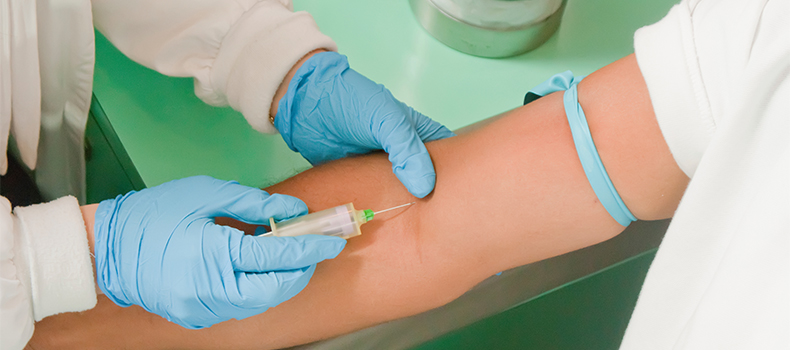
Become a Certified Phlebotomist in Miami: Your Guide to Top Certification Programs
If you’re considering a healthcare career with a hands-on focus on patient care, becoming a certified phlebotomist in Miami could be a smart, rewarding path.Phlebotomists are essential members of clinical teams, collecting blood samples for tests, transfusions, donations, and research. In Miami and throughout Florida, growing demand in hospitals, clinics, diagnostic labs, and blood banks creates excellent opportunities for trained professionals. this thorough guide walks you through the best certification programs in Miami, what to expect during training, the steps to become certified, and strategies to stand out in a competitive job market.
Why become a certified phlebotomist in Miami?
- Strong job prospects: Florida’s healthcare sector continues to expand, driving demand for competent phlebotomists in Miami-Dade and Broward counties.
- Competitive entry requirements: Many programs accept applicants with a high school diploma or GED and offer hands-on, practical training.
- Clear career ladder: Phlebotomists can ofen specialize, pursue advanced clinical roles, or transition into related fields like medical assisting, lab tech, or nursing.
- Flexible training options: In-person, hybrid, and online components are available, allowing you to balance work, family, and study in a busy Miami schedule.
What does a phlebotomy certification mean in Florida?
A phlebotomy certification signals to employers that you have completed formal training, demonstrated competency in blood collection, specimen handling, labeling, infection control, and patient safety, and passed a recognized certification exam. In Florida, many employers require or strongly prefer certified phlebotomists, especially for daytime hospital roles or blood bank positions. Certification journeys vary by certifying body but typically include classroom instruction,hands-on practice,a clinical externship,and a credential exam.
How to become certified in Miami: a step-by-step guide
- Meet the prerequisites – Most programs require:
- Minimum age (often 18+)
- High school diploma or GED
- Background check and immunization records (including TB test)
- Basic CPR certification (often Workspace/healthcare standard)
- Choose a reputable program – Look for accredited schools, strong clinical externships, favorable pass rates, and clear job placement support.
- Complete training – Training typically comprises classroom theory, hands-on practice, and clinical externship hours in partner facilities. In Miami, programs often total 80-140 hours, depending on format.
- Pass a national certifying exam – After completing training,you’ll sit for a certification exam administered by a national association (examples include NHA,AMT,ASCP). Some programs bundle exam prep and testing into the tuition.
- Apply for certification and start work – Upon prosperous exam completion, you’ll receive your credential and can begin applying for phlebotomy roles in hospitals, clinics, diagnostic labs, and blood donation centers around Miami.
Program formats to fit your life in Miami
- In-person programs: Intensive hands-on practice with real phlebotomy experiences,ideal if you want immediate familiarity with phlebotomy techniques.
- Hybrid programs: A mix of online theory and on-site labs/clinicals-great for working students and busy families.
- Online programs with local externships: The theory is online, but you still complete clinical hours at partner facilities in Miami or nearby areas.
Top certification programs in Miami
Below are some of the most reputable pathways to become a certified phlebotomist in Miami. Each program varies in length, cost, and format, so review the details to find the best fit for your goals and budget.
- Miami-Dade College (MDC) – Phlebotomy Technician Certificate – In-person program with clinical externships, often offered through MDC’s School of Health Sciences. Typical duration: 4-6 months. Cost varies by residency status and funding options.
- broward College (nearby to Miami) – Phlebotomy Technician Certificate – Hybrid options with online theory and campus labs,plus externship experiences in the Miami metro area. Typical duration: 2-6 months. Competitive tuition for Florida residents.
- Career Institutes or Vocational Schools – Phlebotomy Programs – Private career schools often provide accelerated, classroom-based formats. Duration: 4-12 weeks, depending on the program load. Cost is typically upfront but varies widely.
- Hospitals and medical centers - On-site phlebotomy technician training – some large Miami facilities offer in-house training and certification prep as part of a workforce progress program.Duration and tuition vary, with a strong emphasis on clinical externship experiences.
- National certification prep courses in Miami – some independent training providers offer prep courses designed to help you pass NHA, AMT, or ASCP certification exams. Duration frequently enough ranges 2-6 weeks and can be completed online or in-person.
Note: Availability, pricing, and scheduling can change.Confirm current details with the school or program administrator. Always verify that the program is accredited or approved by a recognized certifying body to ensure your certificate will be accepted by employers in Florida.
Top certification bodies and what to know
There are several well-known certifying bodies in the United States that offer phlebotomy credentials. When selecting a program, it’s helpful to know what credential the program aligns with and the certification exam format. Common certifying bodies include:
- National Healthcareer Association (NHA) – Offers a recognized Phlebotomy Technician (CPT) credential after completing an approved program and passing the exam.
- American Medical Technologists (AMT) – Provides Certified Phlebotomy Technician (CPT) and othre related credentials; known for nationwide recognition.
- American society for Clinical Pathology (ASCP) - Offers a Phlebotomy Technician certification (PBT) recognized in many healthcare settings; emphasizes clinical competency and safety.
Pro tip: When researching programs, ask about the specific certification they prepare you for and the exam registration process. Some Miami programs bundle exam prep and testing, while others require you to apply for the exam separately. Clarify pass rates and job placement support to gauge long-term value.
What to expect in a typical phlebotomy training program
- Theory and safety: Anatomy and physiology basics, blood collection principles, hand hygiene, PPE, specimen labeling, and chain of custody.
- Practical skills: Venipuncture techniques, capillary draws, specimen collection equipment, and troubleshooting common collection issues.
- Patient interaction: Proper patient identification, communication, and handling anxious or pediatric patients with care and respect.
- Laboratory processes: Specimen handling, transportation, storage, and basic lab etiquette.
- Clinical practicum: Supervised phlebotomy in a real healthcare setting to complete a required number of sticks and experience.
- Exam readiness: Practice questions, simulated exams, and review sessions to prepare for the certification test.
Financial considerations and funding options
- Tuition and fees: Program costs in Miami can range from a few hundred to several thousand dollars, depending on format, duration, and resources.
- Financial aid: Look into federal financial aid options if you pursue a degree-granting program (where applicable), and also Florida state grants or scholarships for vocational training.
- Employer sponsorship: Some Miami employers offer tuition reimbursement or training stipends for certified phlebotomy programs as part of workforce development.
- Payment plans: Many schools offer installment options to spread the cost over several months.
table: Quick comparison of sample Miami phlebotomy programs
| Program | Location | Format | Duration | Approx.Cost |
|---|---|---|---|---|
| Miami-Dade College – Phlebotomy Technician Certificate | Miami,FL | In-person | 4-6 months | Varies by residency,~$1,500-$3,500 |
| Broward college – Phlebotomy Technician Certificate | Nearby Miami metro area | Hybrid | 2-6 months | Varies,~$1,200-$3,000 |
| Private Career Institute - Phlebotomy Program | Miami Valley area | In-person | 4-12 weeks | ~$800-$2,000 |
| Hospital-based Training (Miami facilities) | Miami | On-site/Hybrid | 8-14 weeks | Often funded by employer,varies |
Benefits of becoming a certified phlebotomist
- Job stability: Healthcare roles tend to have steady demand,with opportunities across hospitals,clinics,labs,and blood banks.
- Entry into healthcare: A phlebotomy certification can be a stepping stone to nursing, medical laboratory technology, or diagnostic careers.
- Skill versatility: From patient communication to precise specimen handling, you’ll refine both technical and interpersonal skills.
- Flexible work environments: Miami offers a range of settings, including inpatient facilities, outpatient clinics, and mobile blood donation drives.
Practical tips for success in Miami
- Choose a program with clinical externships: Direct patient contact and real-world practice help you build confidence and a quality CV.
- Prepare early for the exam: Use practice tests and review guides; join a study group if you can.
- Build soft skills: Excellent bedside manner, clear communication, and teamwork are highly valued in Miami’s diverse patient populations.
- Stay compliant with safety protocols: Immunizations, TB testing, and standard precautions are not optional in Florida healthcare settings.
- Leverage local networks: Attend healthcare career fairs, join local phlebotomy or nursing associations, and connect with alumni from Miami programs.
Case study: Firsthand experience in a Miami setting
Maria, a resident of Little Havana, started her phlebotomy training in a hybrid program in Miami.She balanced a part-time job while attending online theory classes and weekend lab sessions. The program included a required 120 hours of clinical externship at a community hospital in Miami-Dade. After completing her training and passing the certification exam, Maria secured a phlebotomy technician role in a local clinic. She credits her hands-on externship for building confidence with tricky draws and her ability to empathize with anxious patients. Her story demonstrates how a structured Miami-based certification program can translate into a rewarding healthcare career path.
Resources to help you choose the right Miami program
- University and college websites: Check for current curricula, externship partnerships, and accepted certifications.
- Certifying body locator: Use NHA, AMT, or ASCP program listings to identify approved prep courses in the miami area.
- Local healthcare facilities: contact human resources or education departments for details on preferred credentials and on-site training programs.
- Financial aid offices: ask about vocational training grants, scholarships, or employer sponsorships relevant to Miami residents.
Frequently asked questions
- How long does it take to become a certified phlebotomist in Miami?
- Most programs in Miami range from 4 weeks to 6 months, depending on format, hours per week, and clinical requirements.
- What is the average cost of phlebotomy training in Miami?
- Costs vary from roughly $800 to $3,500 or more,depending on the program,residency status,and whether exam prep is included.
- Is certification required to work as a phlebotomist in Florida?
- Many employers prefer or require certification from a recognized accrediting body, along with completion of an approved training program.
- Do programs in Miami require immunizations?
- Yes.Most programs require immunizations and a TB test, along with a background check and drug screen in some cases.
Conclusion: Your clear path to becoming a certified phlebotomist in Miami
Embarking on a phlebotomy career in Miami can be a practical and highly rewarding choice. With a range of reputable certification programs-from community colleges to private career institutes and hospital-based training-prospects are strong for students who commit to solid training, hands-on practice, and certification exam readiness. by selecting a program that offers robust clinical externships, align your study plan with local healthcare employers, and engage with the Miami medical community, you’ll position yourself for successful job placement and long-term growth in Florida’s vibrant healthcare landscape. Start with a clear plan, compare programs, and take the first step toward becoming a certified phlebotomist in Miami today.
Call to action
If you’re ready to begin,explore the programs listed above,contact admissions for details on schedules and tuition,and request information about externships and exam prep resources. A radiant future in Miami’s healthcare field starts with your decision to become a certified phlebotomist.