What education Is Needed to Become a Phlebotomist? Complete Guide to Certification and Training
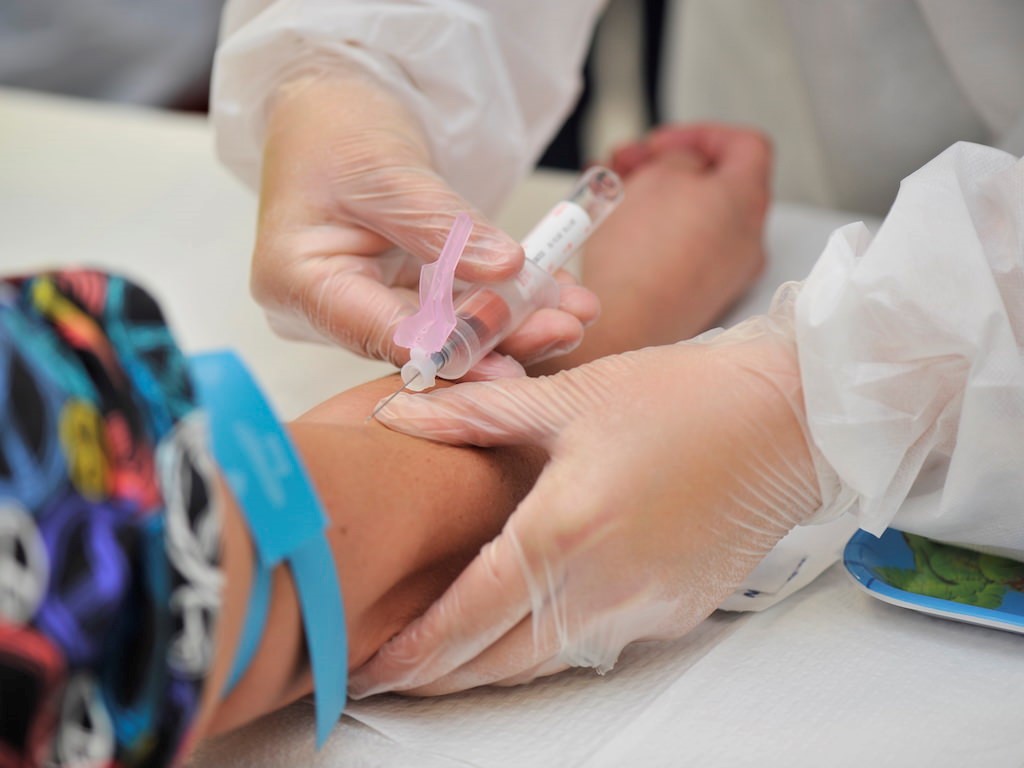
Phlebotomy is the art and science of drawing blood for tests, transfusions, research, or donations. If you’re curious about a healthcare role that blends patient care with precise technical work, phlebotomy could be a great fit. The path to becoming a phlebotomist typically combines classroom study, hands-on practice, and a supervised clinical internship. This complete guide walks you through the education requirements, training options, certification pathways, costs, and practical tips to help you launch a successful career in phlebotomy.
Introduction
Choosing the right education to become a phlebotomist isn’t just about picking a program. It’s about understanding what employers expect, which certifications hold the most value in your region, and how to gain the clinical hours that prove your competence. This guide covers:
- Basic qualifications and prerequisites
- Certificate, diploma, and associate degree options
- National and state certification/licensure pathways
- Costs, duration, and job prospects
- Tips for selecting programs, studying for exams, and starting your career
Understanding the Role of a Phlebotomist
A phlebotomist specializes in collecting blood samples with care, accuracy, and empathy. The job often involves:
Education Requirements Overview
Most employers require completion of an accredited training program and successful certification. The exact requirements can vary by state and employer, but the typical pathway involves a combination of classroom instruction and a clinical practicum.
High School Diploma and Basic Requirements
- High school diploma or GED is usually the minimum admission prerequisite.
- Basic math, anatomy/physiology knowledge, and good hand-eye coordination are beneficial.
- Criminal background checks, immunizations, and CPR/First Aid (BLS) certification are often required before clinicals.
Post-Secondary Education Options
Depending on your goals,budget,and time frame,you can pursue a certificate,a diploma,or an associate degree. Each path has different durations, costs, and depth of training.
Certificate Programs
Certificate programs are the fastest route to entering the workforce. They typically focus on foundational phlebotomy skills, specimen handling, safety, and basic anatomy. Duration is often 1 to 6 months, with a required clinical practicum.
Diploma Programs
Diploma programs provide a bit more depth than certificates,sometimes including broader coursework in clinical laboratory science and patient care. Duration ranges from about 6 months to 1 year, with hands-on externships.
Associate Degree
An Associate of Science in Phlebotomy or related allied health degree can take about 1.5 to 2 years. This path may include general education courses, anatomy, physiology, microbiology, and more extensive clinical practice.An associate degree can also offer more long-term versatility if you plan to advance into laboratory roles or healthcare administration.
Certification vs Licensure: Why It Matters
Certification demonstrates you’ve met national standards for competence. Licensure is state-specific and may require additional steps. In many states, phlebotomists are not licensed, but some require certification or registration for employment. Always verify:
- Whether your state requires licensure or certification for phlebotomists
- Which certifying organizations are widely accepted by local employers
- Whether your employer or clinical site requires CPR/BLS certification
Certification Pathways
There are several respected national certification options for phlebotomists. Eligibility and exam content can vary, but most programs share common elements: completion of an accredited training program, a certain number of clinical hours, and passing a certification exam.
National Certification Options (examples)
- ASCP Phlebotomy Technician Certification (PBT): Recognized across many healthcare facilities; emphasizes venipuncture,safety,and specimen handling.
- NHA Phlebotomy Technician Certification (CPT): Focuses on patient care, phlebotomy techniques, and specimen processing; aligned with workforce-ready competencies.
- American Medical Technologists (AMT) Phlebotomy Technician Certification (CPT): Another well-known option emphasizing clinical skills and professionalism.
Note: Eligibility often requires successful completion of an approved phlebotomy program and a specified number of clinical practicum hours. Some certifiers also require CPR/BLS certification and background checks. After earning certification,you may need to renew periodically and complete continuing education credits to stay current.
Certification Exam topics you’ll typically encounter
- Safety and infection control
- Phlebotomy equipment and specimen collection procedures
- Anatomy and physiology basics relevant to blood collection
- Patient interaction and customer service
- Specimen handling, labeling, and transportation
- Quality control, chain of custody, and lab privacy policies
Clinical Practicum and Hands-On Training
A key component of most programs is a supervised clinical practicum at a hospital, clinic, or laboratory. This hands-on experience helps you:
- Develop venipuncture technique and posture
- Learn proper specimen labeling and workflow
- Gain experience with pediatric, elderly, or anxious patients
- Practice safety protocols and PPE usage
Training Options and How to Choose
When selecting a phlebotomy training program, consider factors that impact your success and time-to-employment.
On-Campus Certificate programs
- Pros: Structured schedule, hands-on labs, direct clinical placements, local job connections.
- Cons: Often the most expensive option; requires commuting.
Online certificate Programs
- Pros: Flexible pacing, sometimes lower tuition, ideal if you’re balancing work.
- Cons: Most programs still require a clinical externship; you’ll need to arrange local in-person labs and practicum sites.
Community Colleges and Vocational Schools
- Typically offer certificate and associate degree programs with strong hands-on components and affordable tuition.
- Good pathway if you’re considering broader healthcare training later on.
Clinical Internship and Practical Hours
Look for programs that provide guaranteed clinical hours with accredited sites. A robust practicum ensures you’re ready for real-world patient interactions, proper specimen collection, and lab coordination.
Cost, Duration, and Financial Considerations
Costs and duration vary by program type, location, and whether you’re pursuing a certificate, diploma, or degree. Here are typical ranges you might expect:
- Certificate programs: $600-$2,000; duration 1-6 months
- Diploma programs: $1,000-$5,000; duration 6-12 months
- Associate degree: $5,000-$15,000 (in-state tuition); duration ~2 years
Financial aid, scholarships, or employer tuition reimbursement can help offset costs. Be sure to ask about the program’s inclusion of CPR/BLS certification, lab fees, books, and uniform costs, as thes can affect the total price.
Licensure, Certification, and State Requirements
Education is essential, but state-specific requirements can influence your path to employment. some states require phlebotomists to be certified or registered; others have voluntary certification options. always verify with your state’s health department or licensing board and check with potential employers.
Benefits of Phlebotomy Certification
- improved hiring prospects: Employers often prefer certified phlebotomists for their validated skills.
- Higher earning potential: Certification can lead to higher starting wages and advancement opportunities.
- Professional credibility: Certification demonstrates commitment to safe, accurate patient care.
- Career flexibility: Certification can support movement into related roles like lab support or specimen processing.
Practical Tips for Selecting a Program
- Choose an accredited program with a confirmed clinical practicum site.
- Ask about pass rates for the certification exam and typical job placement rates.
- Check state requirements, especially for licensure and certification renewal rules.
- Compare total costs, including lab fees, textbooks, and CPR certification if needed.
- Seek programs with strong safety training, patient interaction practice, and hands-on venipuncture labs.
First-hand Experience: Real-World Insights
Hearing from current phlebotomists can give you a realistic sense of the day-to-day work. Here are a few anonymized experiences to illustrate the journey:
“I started with a 6-month certificate program, then completed a 120-hour clinical practicum. After certification, I landed a role in a community hospital. The most rewarding part is comforting anxious patients while getting accurate samples-knowing my work helps physicians diagnose and treat people more quickly.” – former student and now practicing phlebotomist
“During my associate degree, I gained broader lab knowledge and elective courses in microbiology. The extra coursework helped me pivot into a laboratory assistant role later, which opened doors to more advanced clinical careers.” – Former student pursuing a lab support career
Table: Swift Comparison of Program Types
| Program type | Typical Duration | Typical Cost | Pros | Cons |
|---|---|---|---|---|
| Certificate | 1-6 months | $600-$2,000 | Fast entry into the field; focused training | Limited depth; may require further certification for advancement |
| Diploma | 6-12 months | $1,000-$5,000 | Broader training with practical experience | Longer time to complete; higher cost |
| Associate Degree | ~2 years | $5,000-$15,000 | Greater versatility; potential for career advancement | Most expensive option; longer commitment |
Table: Common Certification Bodies and What They Focus On
| Certification Body | Focus | Eligibility Highlights | Renewal/CE Requirements |
|---|---|---|---|
| ASCP | Phlebotomy Technician Certification (PBT) | Completion of accredited program + clinical hours | Renewal with continuing education credits |
| NHA | Phlebotomy Technician Certification (CPT) | Program completion + practicum hours | Renewal required with CE credits |
| AMT | Phlebotomy Technician Certification (CPT) | Approved training program + practical experience | Renewal with CEUs |
Job Prospects, Salary, and Career Path
Phlebotomy is a stable entry point into healthcare with opportunities for advancement. Typical pathways include:
- Phlebotomy technician in hospitals, clinics, blood banks, or diagnostic labs
- Senior phlebotomy roles with supervisory responsibilities
- Clinical support roles such as specimen processing or laboratory technician
- Potential to transition into medical assisting, nursing, or laboratory science with further education
Salary ranges vary by geography, experience, and the work setting. In many regions, certified phlebotomists earn competitive wages with room for growth as you gain proficiency and credentials. Job outlook remains steady due to ongoing demand for reliable specimen collection in healthcare.
FAQs: Quick Answers to Common Questions
Q: Do I need a college degree to become a phlebotomist?
A degree is not always required. Most phlebotomists start with a certificate or diploma. An associate degree can broaden your career options and advancement opportunities.
Q: How long does it take to become certified?
From start to certification, it often takes 2-12 months depending on the program format and whether you complete a longer associate degree path.
Q: Are phlebotomy jobs in high demand?
Yes. Phlebotomy is a steady healthcare role with essential duties in patient care and laboratory workflows. Demand remains strong across hospitals,clinics,and blood centers.
Q: what is the typical cost range for training?
Costs vary widely by program type and location, but you can expect a broad range from several hundred dollars for short certificates to several thousand dollars for diplomas or associate degrees.
Conclusion: Your Path to a Phlebotomy Career
If you’re seeking a hands-on healthcare role with meaningful patient contact, phlebotomy offers a clear, practical path from education to employment. Start by assessing your timeline, budget, and preferred learning style-certificate programs for speed, diplomas for breadth, or an associate degree for long-term flexibility. Remember to verify state requirements and choose a program with a strong clinical practicum and reputable certification options. With dedication, you can earn a national certification, land a role at a hospital or clinic, and build a foundation for future healthcare opportunities.
Ready to begin? Here are a few action steps to get you moving today:
- Research accredited phlebotomy programs near you and compare practicum opportunities.
- Check state licensure or certification requirements and which cert bodies are accepted by local employers.
- Prepare for admissions by reviewing basic anatomy concepts, math skills, and patient communication practices.
- plan your finances, including potential scholarships and employer reimbursement options.
Embarking on the journey to become a phlebotomist is a practical choice with solid job prospects and the satisfaction of contributing to healthcare teams. By investing in the right education,earning a recognized certification,and gaining meaningful clinical experience,you’ll be well on your way to a rewarding career in phlebotomy.