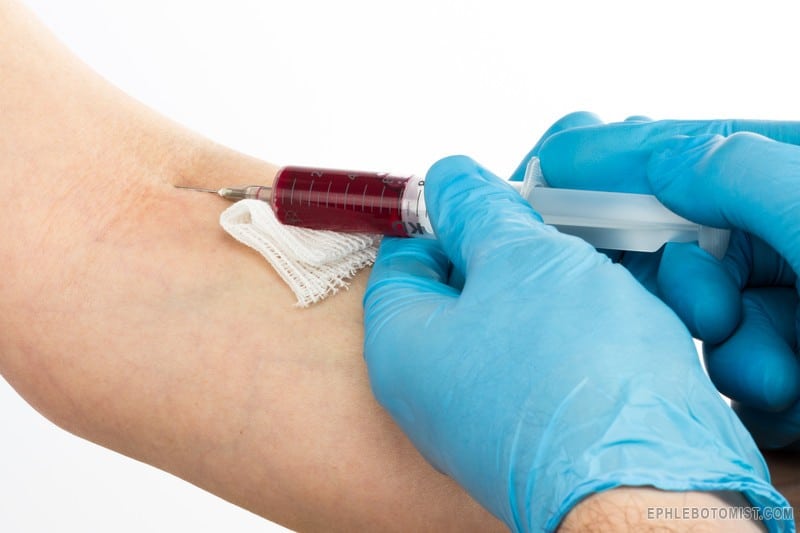
How Much Do Phlebotomists Earn? A Complete Guide to Phlebotomy Salaries in 2024
If you’re considering a career in phlebotomy, understanding how much you can earn is a smart way to plan your education, certifications, and long-term goals. Phlebotomists, sometimes called phlebotomy technicians, play a vital role in healthcare by collecting blood samples for tests, transfusions, and research. Salary varies widely based on location, experience, credentials, and the type of employer. In this comprehensive 2024 guide, you’ll discover current earnings benchmarks, practical tips to boost pay, and real-world factors that influence phlebotomy salaries.
what is a phlebotomist and why does salary vary?
A phlebotomist is trained to draw blood and prepare specimens for laboratory analysis. While the core duties remain consistent-gathering samples, labeling, and ensuring patient safety-factors like geographic location, workplace setting (hospitals, clinics, blood banks, private labs), shift differentials, and professional certifications can shift earnings significantly. For many aspiring professionals, the path to higher pay starts with the right combination of training, certification, and hands-on experience.
National salary snapshot for 2024
Salary ranges for phlebotomists in 2024 typically fall within the following band:
- Typical hourly wage: roughly $15 to $28 per hour, depending on location and employer.
- Annual earnings (full-time): commonly around $31,000 to $58,000,with many workers clustering in the mid-to-upper $30s and $40s.
- Median/average pay: many salary databases place the mid- to high-$30k range as the central tendency, with higher figures in high-cost living areas or specialized hospital settings.
The takeaway: phlebotomy salaries in 2024 are solid for entry-level healthcare roles, with meaningful upside through experience, certification, and career advancement.For readers focused on maximizing earnings, the key levers are certification, experience, and location.
Salary by experience
Experience matters in phlebotomy. Here is a practical breakdown of how earnings typically scale with time on the job.Figures are representative ranges and can vary by region and employer.
| Experience Level | Typical annual earnings | hourly Range |
|---|---|---|
| Entry-level (0-1 year) | $28,000 - $34,000 | $14 – $17 |
| Early-career (1-4 years) | $33,000 – $40,000 | $16 – $20 |
| Mid-career (5-9 years) | $38,000 – $48,000 | $19 – $24 |
| Senior/Lead (10+ years) | $46,000 – $60,000 | $23 – $30 |
Salary by location: where phlebotomists earn more
Geography remains one of the strongest predictors of phlebotomy earnings.Higher pay often correlates with larger healthcare systems, cost of living, and union presence. Below are representative salary bands for select regions (annual earnings and notes). always verify current data for your city, as wage trends shift year to year.
| Location | Typical Annual Earnings | Notes |
|---|---|---|
| California | $40,000 – $60,000 | High cost of living; hospitals and major labs pay at the top end. |
| New York | $38,000 – $58,000 | Regional demand; NYC metro often toward the higher end. |
| Massachusetts | $39,000 – $57,000 | Competitive healthcare market; stable demand. |
| Alaska | $42,000 – $66,000 | Cost of living considerations; remote locations can impact wages. |
| District of Columbia | $40,000 – $58,000 | Urban market with strong healthcare networks. |
Tip: If you’re budgeting for a move or considering a new job, compare total compensation packages (salary, shift differentials, overtime, health benefits, retirement contributions) rather than salary alone. In high-cost areas, the same nominal salary can feel different once you factor in taxes and living expenses.
Salary by certification and education
Certification often translates into higher pay, job security, and broader career options. Here’s how credentials can influence phlebotomy earnings in 2024:
- certified Phlebotomy Technician (CPT) or equivalent credentials typically yield a noticeable pay boost compared with non-certified peers.
- Specialized certifications (e.g., donor phlebotomy, pediatric phlebotomy, or infectious disease specimen collection) can command premium pay in some settings.
- Higher education pathways (associate degrees in allied health or related fields) may unlock roles with supervisory responsibilities or cross-training in laboratory tech, further boosting earnings.
Estimated earnings impact (typical ranges):
| Certification / Credential | Estimated earnings Boost | Notes |
|---|---|---|
| Certified Phlebotomy Technician (CPT) | +5% to +12% | Common premium across hospitals and clinics. |
| ASCP Phlebotomy Technician Certification | +5% to +10% | Widely recognized; may improve job prospects. |
| Non-certified | Baseline | Lower odds of salary growth without additional training. |
Practical tips to boost your phlebotomy earnings in 2024
- Get certified early: If you’re just entering the field, secure a recognized certification (CPT, PBT, or AMT) to unlock higher starting pay and better job options.
- Specialize strategically: Donor centers, pediatric settings, or hospital donor programs can offer premium pay and more consistent schedules.
- Seek advancement opportunities: Pursue lead phlebotomist, supervisor, or trainer roles. These positions often include salary bumps and additional benefits.
- Expand your skills: Cross-train in specimen processing, phlebotomy in high-acuity areas (ICU, ER), or basic lab support to increase your value.
- Geographic adaptability: If relocation is feasible, consider markets with higher demand and pay, but weigh against cost of living and tuition reimbursement if applicable.
Benefits and practical considerations beyond base pay
Salary is only part of the picture. Many phlebotomists value additional benefits that effect overall compensation and job satisfaction:
- Health insurance, retirement plans, and paid time off
- Shift differentials (evenings, nights, weekends) that boost take-home pay
- Tuition assistance for further education in healthcare
- Paid training and opportunities for continuing education
- Job stability in hospital and public health settings
First-hand experiences and case studies
Hearing from professionals can provide real-world context. Here are brief, anonymized snapshots from phlebotomists working in different settings:
“I started as an entry-level phlebotomist in a community hospital.After earning a CPT certification and taking on donor program duties, my salary rose about 9% within two years, and I gained supervisory responsibilities.”
“Moving to a large city with a major medical center helped me exceed the mid-career salary range. The cost of living was higher, but the base pay plus shift differentials made a noticeable difference.”
Career path and advancement in phlebotomy
Many phlebotomists progress through a straightforward ladder, while others pivot into broader lab roles. Common paths include:
- Lead Phlebotomist or Supervisor
- Senior Donor Center Technician
- Specimen Processing or Lab Support Technician
- Transition to Medical Laboratory Technician (MLT) or related roles with additional education
Frequently asked questions (FAQs)
Here are quick answers to common questions about phlebotomy salaries in 2024:
- Q: How much does a phlebotomist earn right out of school? A: Entry-level salaries typically start in the low to mid-$30k range, depending on location and employer.
- Q: Do phlebotomists earn more in hospitals or private labs? A: Hospitals often offer higher pay, shift differentials, and more opportunities for advancement, though private labs can offer competitive wages in some markets.
- Q: Can I increase my earnings without changing employers? A: Yes-certification, additional duties (like donor phlebotomy), and cross-training in related lab tasks can lead to salary growth.
Conclusion: plan your path to phlebotomy earnings in 2024
Phlebotomy offers a clear route into healthcare with solid earning potential, especially when you combine the right certifications, hands-on experience, and strategic choices about where you work. In 2024, salaries for phlebotomists generally range from the low $30k to the upper $50k range, with meaningful upside for those who pursue certifications, take on leadership roles, or relocate to markets with higher demand. By understanding the salary landscape-by experience, location, and credentials-you can map a practical career plan and maximize your earnings in the phlebotomy field.
Whether you’re just starting out or aiming for the next rung on the ladder, focus on certification, hands-on experience, and smart job targeting. With the right strategy, you can build a rewarding career in phlebotomy while helping patients and supporting essential healthcare services.