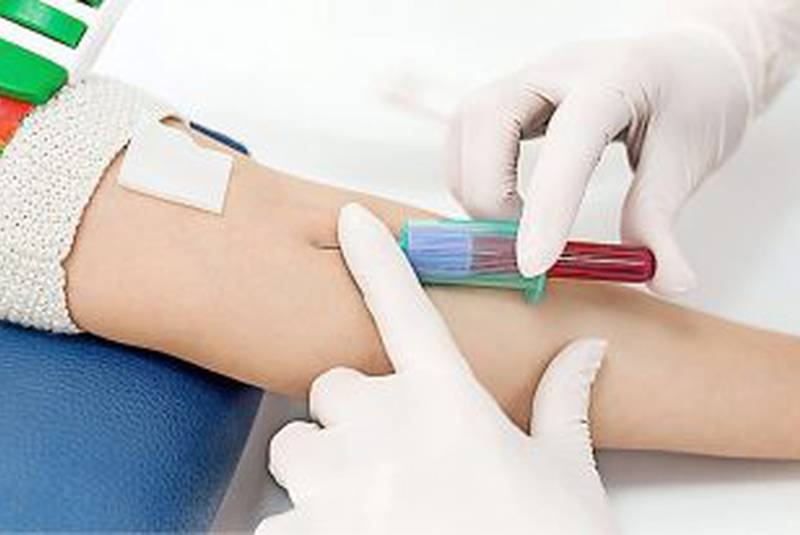
Top-Rated Phlebotomy Training Schools: Your Pathway to a Successful Healthcare Career
embarking on a healthcare career starts with the right training. If you’re drawn to patient care, enjoy working with people, and want a fast track into the clinical setting, phlebotomy is an excellent choice. A top-rated phlebotomy program can equip you with the hands-on skills, safety know-how, and certification readiness needed to secure a rewarding role in hospitals, clinics, blood banks, and urgent care centers. In this guide, you’ll learn how to identify the best phlebotomy training schools, what to expect from the curriculum, and practical tips to set you on a successful career path.
Why choosing a top-rated phlebotomy training school matters
- Hands-on experience matters. The ability to perform venipuncture confidently and accurately is built through supervised practice in modern labs and real-world clinical settings.
- Accreditation and certification alignment. Reputable programs align with national certification standards (for example, CPT certifications offered by ASCP, NHA, or other bodies) and prepare you for the licensure requirements in your region.
- Job placement and outcomes. Top schools frequently enough provide career services, externships, and alumni networks that help you land your first phlebotomy role.
- Safety, ethics, and quality control. Quality programs emphasize specimen handling, labeling, chain-of-custody, and infection prevention-key for patient safety and lab reliability.
How to identify top-rated phlebotomy programs
Accreditation and certification alignment
Look for programs that are accredited by recognized regional or national bodies and that clearly map their curriculum to the content tested on major phlebotomy certification exams. Verify which certifying agencies the program prepares you for (such as ASCP, NHA, or other accredited bodies) and whether they offer practice exams or review sessions.
Curriculum and hands-on training
Quality programs offer:
- foundational topics: anatomy, physiology, safety protocols, infection control, and patient communication.
- Practical venipuncture and capillary techniques with supervised practice on multiple arm models and real patients when appropriate.
- Specimen labeling, transportation, storage, and chain-of-custody procedures.
- Quality assurance, error prevention, and ethical concerns in specimen handling.
- Test processes: from order entry to specimen processing and result reporting.
Externships and clinical placements
Externships or clinical rotations are critical for applying classroom knowledge in real settings. Skilled programs secure partnerships with hospitals, clinics, or blood banks that provide structured hands-on experiences.
Cost, financing, and scholarships
Compare tuition, material fees, equipment, and any required scrubs or supplies. Explore financial aid, scholarships, payment plans, and employer sponsorships. Remember to weigh cost against the quality of training and job placement potential.
Pass rates and job outcomes
Ask about graduation pass rates for certification exams and typical job placement rates within six months of completion. While numbers vary by region, higher pass rates and strong placement statistics are good indicators of program strength.
Facilities, equipment, and faculty
Observe whether the lab is well-equipped with modern phlebotomy supplies, practice kits, and safety equipment. Qualified instructors with real-world clinical experience can make a big difference in your learning.
Flexible formats for different needs
Top-rated schools offer a mix of in-person, hybrid, and online components. Students can often balance work, family, and training with programs that provide asynchronous study options plus essential on-site labs and externships.
Top-rated phlebotomy training schools: program formats at a glance
| Program Type | Typical Duration | typical Cost* | Clinical/Externship | Certification Prep |
|---|---|---|---|---|
| Certificate | 6-10 months | $1,500-$4,500 | Yes | Yes |
| Diploma | 9-12 months | $4,000-$10,000 | Yes | Yes |
| Associate Degree | 16-24 months | $6,000-$20,000 | Yes | Yes |
*Prices are ballpark estimates and vary by region, school, and format. Always verify current tuition and fees with the program.
Curriculum snapshot: what you’ll learn in a phlebotomy program
- Phlebotomy essentials: venipuncture techniques, capillary puncture, and specimen collection.
- Safety and compliance: OSHA guidelines, infection prevention, PPE usage, and biosafety.
- Specimen handling: labeling, storage, transport, temperature controls, and chain of custody.
- Laboratory workflows: test ordering, accessioning, specimen processing, and result reporting.
- Patient care skills: communication, consent, empathy, and cultural sensitivity.
- Quality assurance and ethics: error prevention, documentation accuracy, and confidentiality.
Certification and career outcomes
After completing a reputable phlebotomy program, most graduates pursue certification to validate their skills. Certification options include:
- Certified Phlebotomy Technician (CPT) through agencies like the American Society for Clinical Pathology (ASCP) or the National Healthcareer Association (NHA).
- State licensure, where applicable, depending on your region.
- Continuing education opportunities to maintain certification and advance to roles like lead phlebotomist or specimen processing technician.
Career outcomes typically include roles in hospitals,clinics,blood donation centers,diagnostic laboratories,and outpatient care facilities. The demand for skilled phlebotomists remains steady due to ongoing patient care needs, aging populations, and the essential role of blood collection in diagnostics and treatment.
Benefits and practical tips for prospective students
- Fast entry into healthcare: Phlebotomy programs are among the shorter paths to a healthcare career with clear certification pathways.
- Transferable skills: The skills you acquire-communication, accuracy, and patient-centered care-translate to many medical settings.
- Foundation for advancement: A solid phlebotomy credential can serve as a stepping stone to allied health professions (e.g., medical laboratory technician, nursing support roles).
- Financial considerations: compare in-state tuition, online options, and employer-sponsored training to minimize debt while maximizing outcomes.
- Preparation tips: Build basic science knowledge, practice with venipuncture kits, and take advantage of practice exams for certification readiness.
Firsthand experience: real stories from the field
Case study: Maria’s journey into phlebotomy
Maria worked part-time while earning her certificate at a community college. She completed a 9-month diploma, completed an 80-hour externship in a hospital lab, and sat for the CPT certification exam through ASCP. Within three months of graduation, she secured a role as a phlebotomist in an outpatient clinic. Her hands-on practice and patient communication skills helped her work efficiently with anxious patients,a common challenge in the field.
Case Study: Jamal’s path through a hospital-based program
Jamal enrolled in an associate-degree program with a built-in clinical rotation at a regional hospital. The program emphasized quality assurance and specimen management. After graduation, he leveraged the school’s career services and landed a phlebotomy technician position in a major hospital network. He credits the externship for his confidence and the structured review sessions for exam success.
Benefits of hands-on training and practical tips for success
- Practice consistently: Use practice arms and simulate patient scenarios to build confidence and reduce stress during real blood draws.
- Master patient interaction: Develop scripts for introducing yourself, explaining procedures, and addressing patient concerns.
- Safety first: always follow PPE protocols, proper needle handling, and disposal procedures to prevent needlestick injuries.
- Document meticulously: Accurate labeling and timely data entry prevent errors in specimen processing.
- Prepare for certification: Schedule your exam early in the process and use practice exams to focus your study areas.
how to choose your best-fit phlebotomy training school: a simple decision guide
- Clarify your goal: certificate, diploma, or degree, and whether you want online, hybrid, or on-campus training.
- Check accreditation and certification alignment with your target certification bodies.
- Review the curriculum with emphasis on hands-on practice and clinical externships.
- Evaluate externship opportunities, site locations, and supervision quality.
- Ask about job placement rates, graduate outcomes, and alumni support.
- Discuss total cost, financial aid options, and potential employer sponsorships.
- Visit the campus or request a virtual tour to assess facilities and equipment.
FAQ: Phlebotomy training and careers
- Q: How long does it take to become a phlebotomist?
- A certificate program is typically 6-10 months,a diploma 9-12 months,and an associate degree 16-24 months.Some online or hybrid options may vary slightly in duration.
- Q: Do I need certification to work as a phlebotomist?
- Certification is highly recommended and often required by employers. Requirements vary by state and employer,so verify with your target facilities.
- Q: Can I work while studying phlebotomy?
- Many programs offer part-time and evening formats, and online components can definitely help you balance work with training.
- Q: What about job prospects after certification?
- Phlebotomists are in demand across hospitals, clinics, blood banks, and diagnostic labs. Strong training, hands-on experience, and certification improve job prospects.
Conclusion: Your pathway to a successful healthcare career starts here
Choosing a top-rated phlebotomy training school is a pivotal step toward a rewarding healthcare career. By prioritizing accreditation, hands-on practice, externship opportunities, and strong certification preparation, you’ll enter the job market with confidence and competence. Remember to assess program formats, costs, and outcomes, and take advantage of career services and alumni networks to maximize your chances of landing a position in a respected healthcare setting. Whether you prefer a fast certificate, a comprehensive diploma, or an associate degree that broadens your scope, the right program will equip you with the practical skills, patient-centered approach, and professional credentials that set you apart in today’s healthcare landscape.
If you’re ready to start, begin with a short list of top-rated phlebotomy programs in your area or online, request details, and schedule a campus visit or virtual tour. Your dedication, paired with a quality training program, can open doors to meaningful patient care roles and a stable, growing career path.