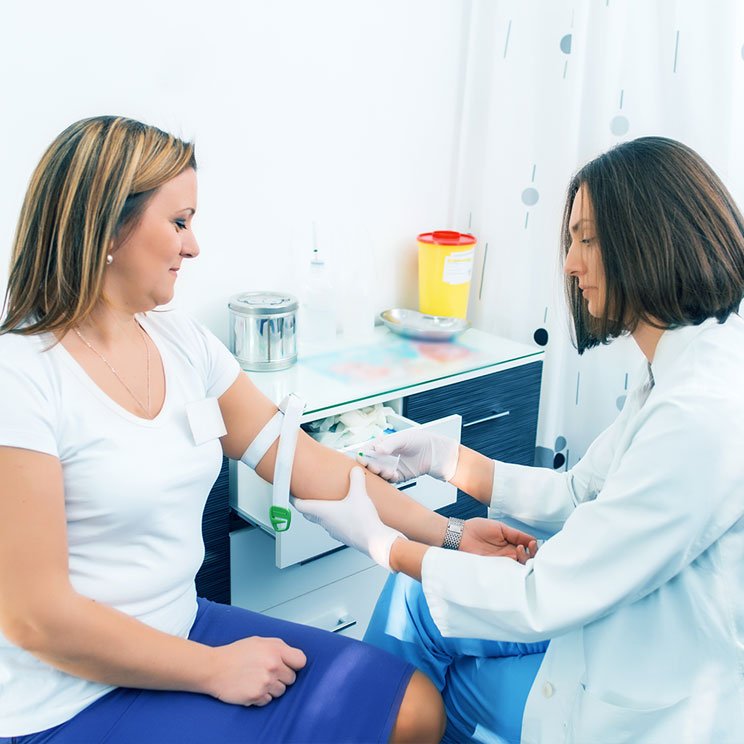
your Ultimate Guide to Phlebotomists Certification: Boost Your Medical career Today
If you’re drawn to patient care and want a fast,practical pathway into the medical field,phlebotomy is an excellent starting point. Phlebotomists are on the front lines of patient interaction-drawing blood, ensuring comfort, and upholding the highest safety standards. But to stand out in a competitive healthcare landscape, you’ll want a solid certification that proves your skills, knowledge, and professionalism.
This guide breaks down everything you need to know about phlebotomist certification: what it is, how to choose the right certification, the exam formats, costs, study strategies, and real-world tips to accelerate your career. Weather you’re just researching or ready to enroll, you’ll find practical, actionable insights to boost your medical career today.
What is Phlebotomy Certification and Why It Matters
Phlebotomy certification is a formal credential that verifies you have completed an accredited training program and passed a standardized examination in blood collection, safety, and patient care. Certification isn’t just a checkbox-it signals to employers that you’ve met national standards, understand infection control and privacy regulations, and can perform venipuncture and capillary draws wiht accuracy and empathy.
Why pursue certification? Benefits include higher employability, potential salary premium, broader job opportunities (hospital labs, clinics, blood donation centers), and eligibility for advanced paths such as specialized phlebotomy roles or roles in specimen handling and point-of-care testing.
Certification Paths and options
There isn’t one worldwide national exam in every country, but in the United States and many regions, several reputable organizations offer widely recognized phlebotomy certifications. The most common bodies include the American Medical Technologists (AMT), the American Society for Clinical Pathology (ASCP), the National Healthcareer Association (NHA), and the National Phlebotomy Association (NPA). each organization provides a credential with its own requirements, exam format, and recertification rules.
When you’re choosing a path,consider factors like:
- Cost and financing options
- Program prerequisites and training length
- Exam format and question style
- Recertification cadence and continuing education requirements
- recognition by employers in your target region or hospital system
Below is a quick snapshot to help you compare common certification options.
Certification Options snapshot
| Organization | Certification Name | Typical Cost | Exam Length | Renewal/Continuing Education |
|---|---|---|---|---|
| AMT | Phlebotomy Technician (CPT) | $110-$230 | 100-120 questions | Renew every 3-5 years; CE credits required |
| ASCP | Phlebotomy Technician- Certified (PBT) | $180-$350 | 100-150 questions | Renew every 3 years; CE credits required |
| NHA | Phlebotomy | $140-$290 | 80-120 questions | Renew every 2-3 years; CE credits required |
| other regional bodies | Various Phlebotomy Certifications | Varies | Varies | Varies |
What You Need to Qualify for Certification
Most certifying bodies require a combination of formal training and hands-on clinical experience. common prerequisites include:
- High school diploma or equivalent (GED)
- Completed an accredited phlebotomy training program (typically 8-12 weeks)
- CPR or BLS certification (often required at the time of exam)
- Clean background check and immunizations as required by your state or institution
- Active enrollment in or completion of a blood collection practicum with supervised clinical hours
It’s crucial to check the exact eligibility criteria from the certifying body you choose,as the specifics can differ by organization and region.
How to Choose the Right Certification for You
Start by identifying where you want to work. Hospitals and large clinics frequently enough recognize multiple certifying bodies, but some employers may prefer a specific credential. Consider:
- Geographic relevance: local or state licensing nuances
- Employer preferences: some facilities require or favor certain certs
- Budget and time: exam fees,study materials,and program length
- Recertification requirements: ongoing CE credits and renewal timelines
- Career goals: advancement into Supervision,Education,or Specimen Processing
Steps to Earn Your Certification: A Practical Checklist
- Research certifying bodies and pick one that aligns with your goals and location.
- Complete an accredited phlebotomy training program (8-12 weeks typical).
- Prepare and obtain CPR/BLS certification (if not already held).
- Pass the required clinical practicum with satisfactory evaluations.
- Register for the certification exam and schedule it at a testing center or online, if offered.
- Pass the exam and receive your credential.
- plan for renewal and ongoing CE credits to maintain your certification.
Study Tips and Exam Preparation
A solid study plan reduces stress and boosts performance. Here are practical tips:
- Review the core skills: blood collection techniques, vacuum systems, venipuncture safety, antisepsis, specimen labeling, and transport.
- Practice hands-on technique under supervision in your training lab, than reinforce with simulated practice if you’re waiting for clinical hours.
- Familiarize yourself with safety and regulatory topics: HIPAA, OSHA standards, biohazard handling, and infection control.
- Take advantage of practice tests to identify weak areas and track progress over time.
- Create a concise set of flashcards for key terms,safety steps,and emergency procedures.
- Coordinate study with a peer group or mentor-explaining concepts to others reinforces your own understanding.
Practical Tips for Aspiring Phlebotomists
Beyond test prep, practical know-how matters in the real-world lab. Consider:
- Develop excellent patient interaction: explain the process, ask about comfort levels, and respect privacy.
- Master your technique to minimize patient discomfort and sample hemolysis.
- Prioritize safety: proper PPE usage, needle disposal, and avoiding contamination.
- Be organized: label samples accurately, manage tubes and order of draw, and maintain clean workstations.
- Embrace teamwork: coordinate with nurses, physicians, and lab staff to ensure smooth specimen handling.
- Keep learning: stay updated on new collection systems, transport rules, and specimen tracking software.
Case Studies and First-Hand Experiences
Case Study 1: From Student to Certified Phlebotomist in 6 Months
Maria enrolled in a 10-week phlebotomy program near her hometown. She completed the clinical practicum with a steady improvement in blood collection success rates and patient feedback. After passing the AMT CPT exam, she secured a role at a community hospital with a clear path to a led phlebotomist position within two years.
Case Study 2: Transitioning Careers-Nurse to phlebotomist
Jamal was an experienced nurse who wanted a specialized role with a focus on specimen collection. He pursued an accelerated phlebotomy certificate, leveraged his clinical experience during job interviews, and landed a position in a hospital laboratory where his patient communication skills stood out.
Career Growth and Next Steps
certification opens doors beyond entry-level roles. Consider these paths:
- Advance to Lead Phlebotomist or Supervisor with experience and additional training
- Specialize in pediatric or geriatric phlebotomy to better serve specific patient groups
- Move into related roles such as Specimen Processing, Blood Bank Support, or Courier/Logistics for labs
- Continue education to pursue medical laboratory technician (MLT) or clinical laboratory scientist tracks
Some employers offer tuition reimbursement or in-house training to support ongoing certification and education. Look for facilities with clear career ladders and mentorship programs.
Extra Resources and Study Aids
Helpful resources can streamline your preparation:
- Official candidate handbooks from AMT, ASCP, NHA
- Practice tests and question banks for phlebotomy
- Clinical simulation labs and supervised practicum opportunities
- Recruitment and career guidance from alumni networks or instructors
Conclusion: Your Path to a Rewarding Medical Career Starts here
Phlebotomy certification is more than a credential-it’s a commitment to patient care, safety, and professional growth. By choosing the right certification,completing accredited training,and preparing thoroughly for the exam,you’ll position yourself for meaningful work in healthcare,with opportunities to advance as you gain experience.
If you’re ready to boost your medical career today, start with a clear plan: identify your preferred certifying body, enroll in a reputable training program, and set milestones for clinical hours, exam readiness, and renewal requirements. With determination and the right resources, you’ll join the ranks of skilled phlebotomists who make a real difference in patient care every day.
Frequently Asked Questions
Do I need certification to work as a phlebotomist?
Requirements vary by state and employer. in many regions, certification is strongly recommended or required for certain roles, and some employers may hire certified or eligible candidates who are completing certification.
How long does it take to get certified?
Typical timelines range from 2 to 6 months, depending on the training program length, practicum scheduling, and your study pace.
Is phlebotomy a good long-term career?
Yes. Phlebotomy offers steady demand, opportunities for advancement, and paths into broader laboratory roles or healthcare support specialties.