Master the Basics: An Essential Introduction to Phlebotomy for Aspiring Healthcare Professionals
Introduction
Phlebotomy is a foundational clinical skill that opens doors to countless careers in healthcare. From hospitals and clinics to diagnostic laboratories,the ability to collect clean,accurate blood samples is essential for diagnosing,monitoring,and treating patients. This complete guide is designed for students,nursing assistants,medical assistants,and anyone considering a path in the clinical laboratory or patient care fields. You’ll learn the core concepts, best practices, safety standards, and practical steps you need to start your phlebotomy journey with confidence.
In this article, you’ll encounter practical tips, evidence-based procedures, and real-world scenarios that illustrate how phlebotomy fits into a broader healthcare workflow. Whether you’re preparing for a certification exam or seeking a solid introduction to venipuncture, this guide merges clarity with accuracy to help you master the basics and build a strong clinical foundation.
What is Phlebotomy?
Phlebotomy is the practice of drawing blood from patients or volunteers for medical testing, transfusion, research, or other clinical purposes. The person who performs this task is a phlebotomist. While the act of drawing blood may seem straightforward,it requires a blend of technical skill,patient dialog,and strict adherence to safety and quality standards.
Key activities include preparing the patient, selecting appropriate collection sites, using correct venipuncture techniques, ensuring proper specimen labeling, and delivering samples to the laboratory for processing. High-quality phlebotomy reduces the risk of hemolysis, contamination, and incorrect test results, which in turn supports accurate diagnoses and effective patient care.
Why Phlebotomy Matters in Healthcare
Phlebotomy is more than just blood collection. It is a critical step in the diagnostic chain.Accurate blood specimens enable clinicians to:
- Detect diseases early and monitor treatment effectiveness
- Assess organ function and metabolic status
- Screen for infectious diseases and genetic conditions
- Support personalized medicine through precise laboratory results
For aspiring healthcare professionals, mastering phlebotomy builds patient trust, improves workflow efficiency, and demonstrates a commitment to patient safety and care quality.
Core Skills and Equipment
Developing robust phlebotomy skills requires familiarity with both the human factors involved in patient care and the technical tools used in the practice. Hear’s a practical overview:
- Techniques - venipuncture fundamentals, proper vein selection, stabilization, and smooth needle insertion to minimize discomfort and tissue trauma.
- Equipment – tourniquet, vacutainer system (or syringe), various needles (eg, 21-23 gauge), collection tubes, pressure bandages, labels, and transport containers.
- PPE & Safety – gloves,isolation gowns when indicated,face protection for splashes,and immediate disposal of sharps in approved containers.
- Specimen Handling – correct tube order of draw, labeling with patient identifiers, date/time, technician initials, and proper specimen transport conditions.
- Quality & Accuracy - ensuring adequate sample volume, avoiding hemolysis, reducing pre-analytical errors, and documenting any issues.
Equipping yourself with these skills will prepare you for real-world settings and align with safety standards set by healthcare facilities.
Step-by-Step Phlebotomy Procedure
Below is a clear, practical workflow you can adapt to most clinical environments. Always follow your local facility’s policies and the instructions of supervising clinicians.
Pre-collection Readiness
- Verify the patient’s identity using two identifiers (e.g., full name and date of birth).
- Explain the procedure to the patient and gain informed consent; address questions and anxiety.
- Wash hands and don appropriate PPE if required by your facility’s safety protocol.
- Gather all necessary equipment and confirm the appropriate tube order for the requested tests.
Venipuncture Technique
- Apply a tourniquet 3-4 inches above the planned venipuncture site to engorge a suitable vein.
- Palpate and anchor a suitable vein to stabilize it and reduce movement during insertion.
- Rotate the needle bevel up, insert at a shallow angle (about 15-30 degrees) until you enter the vein smoothly.
- Allow blood to fill the collection tubes in the recommended order of draw, ensuring not to overfill or underfill tubes if the procedure requires specific volumes.
- Release the tourniquet as soon as blood flow is established to minimize tissue pressure and patient discomfort.
Post-collection Steps
- Remove the needle in a swift, controlled manner and apply gentle pressure with a clean gauze pad or cotton ball; ask the patient to apply pressure for 1-2 minutes.
- Label specimens immediately with patient identifiers, collection time, and your initials.
- Inspect the site for hematoma formation and bandage appropriately; document any complications.
- Transport specimens according to your facility’s guidelines, keeping samples upright and protected from light or extreme temperatures if applicable.
Venipuncture Techniques
There are several approaches to venipuncture, each with its own indications and suitability depending on patient anatomy and clinical context:
- Standard venipuncture – using a straight needle (frequently enough 21-23 gauge) with a vacutainer system for routine blood draws.
- Butterfly needle technique - for patients with difficult access or fragile veins (common in pediatric or elderly patients).
- Arterial puncture - only performed by trained clinicians for arterial blood gas sampling; this is not routine phlebotomy.
- Capillary puncture - done on finger or heel for newborns or when venous access is challenging; typically used for small-volume tests.
Choosing the right technique helps reduce patient discomfort, improve sample quality, and decrease the need for repeated draws.
Quality and Safety: Aseptic Technique and Compliance
Safety and quality go hand in hand in phlebotomy. Adhering to aseptic technique reduces infection risk, while compliance with regulatory standards protects both patients and staff.
- Aseptic technique – sanitize hands, use sterile equipment, and minimize contact with sterile contents.
- global precautions – treat all blood and bodily fluids as potentially infectious; use appropriate PPE.
- Labeling accuracy – double-check patient identifiers and tube labels to prevent mix-ups.
- Specimen integrity – avoid hemolysis by gentle handling, proper mixing of additives, and correct fill volumes.
- Documentation – record any issues, patient concerns, or equipment problems to improve future practice.
Institutions may align phlebotomy practice with standards from organizations such as CLSI, CAP, and OSHA. Understanding these guidelines helps you perform to a professional standard and advance in your healthcare career.
Training, Certification, and Career Path
A solid foundation in phlebotomy frequently enough begins with formal training. Programs vary by country and region,but common elements include:
- Didactic coursework on anatomy,physiology,laboratory terminology,safety,and ethics.
- Hands-on phlebotomy practice using simulations and real patient encounters under supervision.
- Clinical externships to gain experience in real healthcare settings.
- Certification options through recognized organizations (examples include ASCP, NHA, and American Medical Technologists).
Certification requirements typically involve a combination of training hours, competency assessments, and an exam. Some healthcare facilities may hire trainees as phlebotomy technicians and provide on-the-job training toward certification.
Career paths in phlebotomy can include roles such as phlebotomy technician, specimen processing associate, and clinical laboratory assistant. With advancement, professionals may pursue roles in phlebotomy leadership, training, or specialty areas like pediatric phlebotomy or phlebotomy in a hospital setting.
Benefits and Practical Tips for Aspiring Phlebotomists
- Clear career pathway with options to specialize and advance.
- High demand for skilled phlebotomists in many healthcare environments.
- Hands-on patient interaction helps build communication and bedside manner.
- Foundational clinical skills transferable to broader laboratory or nursing roles.
- Structured training fosters confidence and accuracy in specimen collection.
Practical tips to accelerate your learning:
- Practice your technique with supervision and seek feedback from experienced staff.
- Study vein anatomy, common sites, and factors that affect vein visibility (hydration, temperature, and patient condition).
- learn the correct order of draw and the reasons behind it to minimize pre-analytical errors.
- Stay organized: check test requisitions, annotate any special handling needs, and verify patient details before collection.
- Prepare emotionally: develop patient communication scripts to ease anxiety and explain steps clearly.
Case Studies and Firsthand Experiences
Real-world stories help illustrate common scenarios and how to navigate them with professionalism and care.
Case Study 1 – Reassuring a Fearful Patient
A veteran patient with a blanket fear of needles required routine bloodwork. The phlebotomy team member explained each step, used a butterfly needle, demonstrated a calm pace, and offered a comforting conversation during the draw. The patient reported minimal discomfort, and the sample was adequate for all tests.
Case Study 2 – Difficult Vein, Successful Draw
A young adult presented with small, difficult-to-find veins. The phlebotomist used proper venipuncture technique,heat application to dilate the vein,and a gentle anchor to stabilize the site. A successfully drawn set of tubes avoided the need for a repeat draw, reducing patient stress and improving workflow efficiency.
Fast Reference: Order of Draw
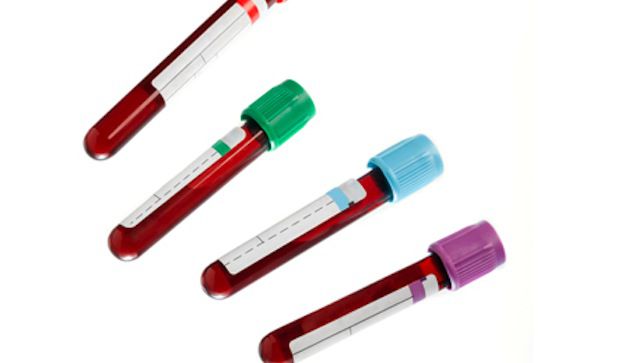
Following the correct order of draw is critical to prevent cross-contamination between tube additives.The table below presents a simplified, commonly used sequence for routine venipuncture. Always follow your facility’s specific protocol.
| Order | Tube Color / Type | Common Additive | Primary Purpose |
|---|---|---|---|
| 1 | Blood culture bottles | Culture media | Microbiology cultures; detects infections |
| 2 | Light blue | Sodium citrate | Citrate anticoagulant for coagulation testing |
| 3 | Red | none | Serum testing; clears for most assays |
| 4 | Gold / SST | SST separator | Serum testing after clotting |
| 5 | Green | Sodium heparin / Lithium heparin | STAT chemistry and plasma testing |
| 6 | Purple / Lavender | EDTA | hematology and CBC tests |
| 7 | Gray | Sodium fluoride / Potassium oxalate | Glucose testing; prevents glycolysis |
conclusion
Mastering the basics of phlebotomy equips aspiring healthcare professionals with a critical, highly transferable skill set. From understanding aseptic technique and patient communication to executing precise venipuncture and adhering to the order of draw, the competencies you develop will support accurate laboratory results and safer patient experiences.
Whether you are pursuing phlebotomy certification, entering a medical assisting program, or preparing for roles in clinical laboratories, a strong foundation in phlebotomy opens doors to broader clinical opportunities. Stay curious, practice diligently under supervision, and prioritize patient safety and quality in every blood draw. Your journey into healthcare begins with mastering the basics-and these skills will serve you well throughout your career.