Complete Guide to phlebotomy Training: Become a Certified Phlebotomist Today
If you’re looking for a healthcare role with direct patient interaction, a phlebotomy career offers a clear path from training to credentialing and real-world impact. Phlebotomy technicians (often called phlebotomists) are trusted professionals who perform blood draws, handle specimens, and support diagnostic testing in hospitals, clinics, laboratories, and blood banks. This complete guide walks you through the complete phlebotomy training journey-from choosing the right program to earning national certification, and landing the job you want.
What is Phlebotomy?
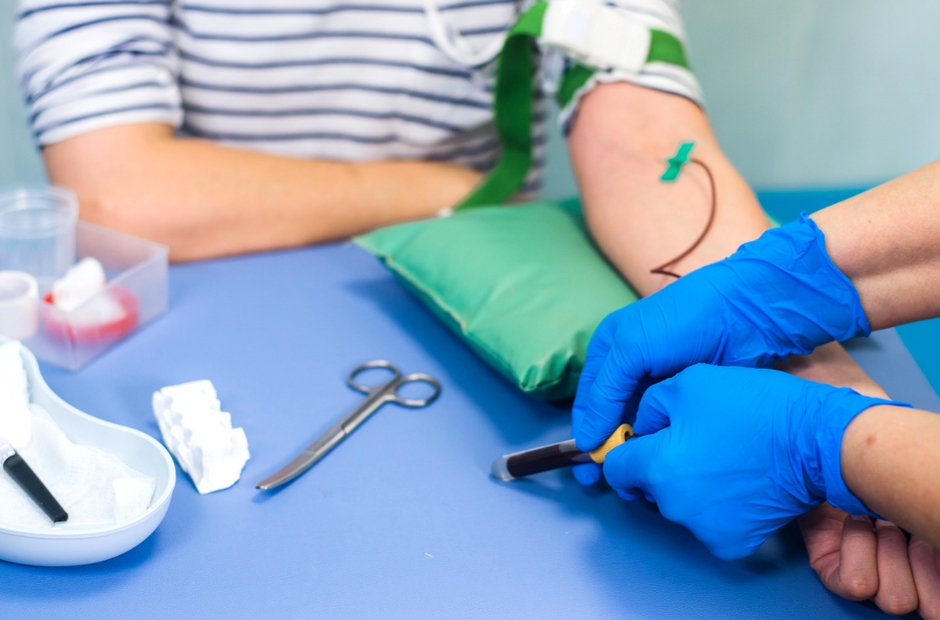
phlebotomy is the process of drawing blood for tests, donations, research, or transfusion planning. It requires precise technique, strict safety practices, and effective communication with patients. A solid phlebotomy training program covers anatomy basics (veins, arteries, skin anatomy), venipuncture techniques, specimen labeling, specimen handling, and biosafety protocols to prevent infections and injuries.
Why Enroll in Phlebotomy Training?
- entry into healthcare with hands-on skills in demand across settings.
- Structured career ladder: phlebotomy technician → senior technician → lead or supervisor, with opportunities to advance into analytics, donor services, or lab support.
- Shorter and often more affordable programs compared to other allied health roles, with flexible scheduling options.
- Exposure to real-world clinical environments during practical training and clinical rotations.
Paths to Phlebotomy Training
There isn’t a single universal route. most aspiring phlebotomists choose one of these common pathways:
- Community colleges and career schools: Certificate or diploma programs focusing on phlebotomy fundamentals and hands-on practice. Often paired with a clinical rotation.
- Vocational and technical schools: Short, focused programs designed to quickly prepare you for certification and entry-level work.
- Hospital-based programs: Some hospitals offer in-house training, sometimes as part of a formal externship or clinical practicum.
- Hybrid or blended formats: A mix of online theory with in-person labs and supervised venipuncture practice.
- Continuing education for allied health: For current healthcare workers looking to specialize or shift roles into phlebotomy.
Key Components of Phlebotomy Training
Quality programs typically cover these core topics:
- Safety and infection control (hand hygiene, PPE, needle safety).
- Medical terminology and anatomy relevant to blood collection.
- Venipuncture techniques and equipment handling (needles, vacutainers, tourniquets).
- Capillary collection and skin puncture procedures.
- Specimen labeling, handling, transport, and chain of custody.
- Specimen integrity, test ordering, and specimen rejection criteria.
- Patient communication and consent, cultural sensitivity, and customer service.
- Legal and ethical considerations, HIPAA compliance, and privacy.
- Practical externships or clinical rotations in real settings.
Certification: How to Become a Certified Phlebotomist
After completing a recognized phlebotomy training program, you typically pursue a national certification. National certifying bodies validate your competence in blood collection, specimen handling, and safety practices. Common certifying organizations include:
- American society for Clinical Pathology (ASCP)
- National Healthcareer Association (NHA)
- American medical Technologists (AMT)
- American Association of Medical Assistants or other recognized bodies depending on your region
Titles you may encounter include Certified Phlebotomy Technician (CPT) or Phlebotomy Technician (PBT), depending on the certifying body. It’s important to verify which credential is most accepted by employers in your area. Some employers require a specific certification,while others accept multiple national credentials.
Certification requirements typically include:
- Completion of an accredited phlebotomy program or equivalent coursework
- Passing a written exam that tests venipuncture technique,safety,and specimen handling
- Payment of examination and certification fees
- Maintenance of certification through continuing education credits
How to Prepare for the Certification Exam
Effective prep blends theory review with practical skill refreshers. Consider these strategies:
- Review the exam blueprint: understand the domains covered (technique, safety, specimen handling, and ethics).
- Practice venipuncture in a supervised setting, focusing on needle safety, tourniquet placement, and proper vein selection.
- Use flashcards for terminology and specimen types (plasma, serum, whole blood, anticoagulants).
- Study labeling and specimen transport requirements for common tests.
- Participate in study groups or seek tutoring if you need extra practice with challenging techniques.
Practical tips for Success in training and on the Job
- Always verify patient identity and test orders before collection.
- Explain the process to patients to reduce anxiety and improve cooperation.
- Follow standard precautions and proper PPE use for every draw.
- Maintain specimen integrity by avoiding contamination and ensuring correct tube selection.
- Keep your phlebotomy kit organized and sanitized between draws.
- Ask questions and seek feedback during clinical rotations to build confidence.
- Document your experiences and keep a log of procedures you’ve performed for job interviews.
Benefits of Completing Phlebotomy Training
- Faster entry into healthcare compared to more lengthy degree programs.
- Strong demand across hospitals, clinics, blood banks, and private labs.
- Opportunities to advance through specialty roles, supervisor positions, or cross-training in medical laboratory settings.
- Hands-on work with patients,contributing directly to diagnoses and treatment planning.
- Potential for flexible scheduling, including evening and weekend shifts in larger facilities.
Case Studies and First-Hand Experiences
Case Study 1: A typical clinical rotation
During a 6-week externship, a student practiced venipuncture on supervised patients, learned to troubleshoot failed draws, and mastered proper labeling and transport. By week four, the student performed triumphant draws with improved speed and patient rapport, earning positive feedback from clinicians.
Case study 2: Career transition
A registered nurse completed an accelerated phlebotomy program to transition into a phlebotomy technician role. The hands-on training complemented her clinical experience,enabling her to work across a broader set of hospital lab duties and expand her professional scope.
Case Study 3: Challenges and resolution
A student faced difficulty with difficult veins. Through practice on simulators,mentorship,and additional rotations,she built confidence and refined techniques,ultimately performing successful draws while maintaining patient comfort.
Quick Reference: Training Timeline and Stats
Note: timelines vary by program and location.
| Stage | what to Expect | Typical Duration |
|---|---|---|
| Admission & Prerequisites | Meet eligibility, health checks, and possibly immunizations | 2-6 weeks |
| Classroom & Lab Training | Theory, safety, and hands-on venipuncture practice | 4-12 weeks |
| Clinical Externship | Supervised patient draws in real settings | 2-8 weeks |
| Certification Exam | National exam covering technique, safety, and handling | 1 day |
| Job Preparation | Resume, interview prep, licensing (if required) | 2-6 weeks |
Frequently Asked Questions
Q: Do I need a degree to become a phlebotomist?
A: Most roles require a certificate or diploma from a recognized phlebotomy program, not a four-year degree. Some employers may hire with on-the-job training combined with certification.
Q: How long does phlebotomy training typically take?
A: Programs usually range from a few months to about a year, depending on the depth of clinical experience and whether you study full-time or part-time.
Q: Are online phlebotomy programs effective?
A: Online theory can be convenient, but successful programs include hands-on labs and clinical rotations to develop practical venipuncture skills.
Getting Started: Your Action Plan
- Research accredited phlebotomy programs in your area or online with clinical components.
- Check prerequisites (high school diploma, vaccinations, background checks, etc.).
- Compare program length,costs,tuition assistance,and externship opportunities.
- Enroll in a program that aligns with your schedule and career goals.
- Prepare for the certification exam by combining study guides with hands-on practice.
- Apply for entry-level phlebotomy positions and highlight your clinical rotation experiences.
Conclusion: Start your Phlebotomy Journey Today
A solid phlebotomy training program is a practical and efficient path to a healthcare career with meaningful patient contact and steady demand. By choosing an accredited program, preparing for certification, and gaining hands-on practice through externships or clinical rotations, you can become a certified phlebotomist and open doors to a range of clinical settings. Whether you’re starting fresh or requalifying, the phlebotomy pathway offers a clear, structured route to a rewarding role in healthcare.
Pro tip: Choose a program that offers strong externship opportunities and post-graduation job placement support. A program with active partnerships in hospitals or clinics can significantly improve your employment prospects.