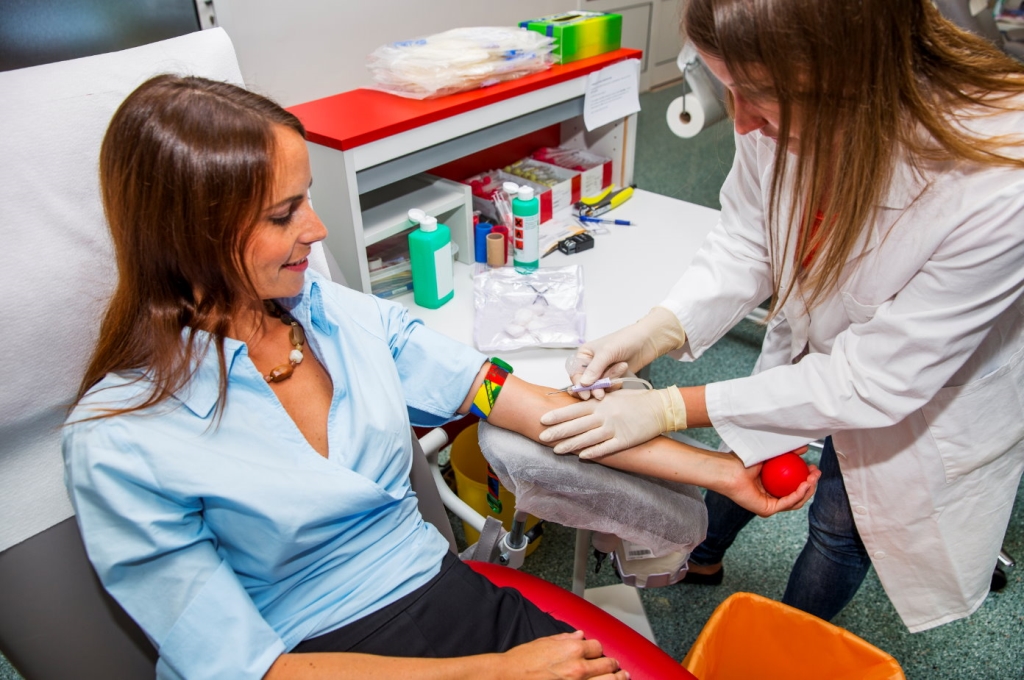
Earn Your ASPT Phlebotomy Certification: The Key to Launching a Successful Healthcare Career
If you’re aiming for a fast-track entry into the healthcare field, a solid starting point is earning your ASPT phlebotomy certification. Phlebotomy technicians play a vital role in patient care by collecting blood samples accurately and safely, supporting diagnoses, treatment plans, and preventive health measures.An ASPT-certified phlebotomy technician signals to employers that you’ve completed reputable training, passed a professional exam, and committed to ongoing skill progress.
In this guide, you’ll find everything you need to know to pursue the ASPT phlebotomy certification, from prerequisites and exam formats to study resources and real‑world career opportunities. Whether you’re a recent graduate, changing careers, or seeking advancement in a clinical setting, earning this credential can be a powerful catalyst for a successful healthcare career.
What is the ASPT Phlebotomy Certification?
The ASPT phlebotomy certification is a professional credential awarded by the American Society of Phlebotomy Technicians (ASPT).It validates that you have the essential knowledge, hands‑on skills, and safety practices required to collect blood specimens, label samples correctly, and handle patient interactions with care. The certification is designed to reflect current industry standards and best practices in phlebotomy, including infection control, specimen handling, and ethics.
Key aspects of the ASPT phlebotomy certification include:
- Competency in venipuncture and capillary collection techniques
- Adherence to universal precautions and patient safety protocols
- Accurate specimen labeling, documentation, and chain of custody
- Professional communication with patients and healthcare teams
- Commitment to continuing education and recertification as requirements evolve
why Choose the ASPT Certification?
Earning the ASPT phlebotomy certification offers concrete advantages for launching and advancing a healthcare career. Here are some reasons to consider this credential:
- Credibility and trust: A recognized certification signals to employers that you’ve met industry standards.
- Job opportunities: Certified phlebotomy technicians are in demand across hospitals, clinics, imaging centers, blood banks, and community health programs.
- Career flexibility: The skills you gain are transferable to various healthcare settings, enabling mobility and advancement.
- Patient safety focus: Certification emphasizes proper technique, specimen labeling, and infection control-essential for quality patient care.
- Foundation for growth: With an ASPT credential, you’re well positioned to pursue additional certifications or roles in laboratory support and patient services.
Prerequisites and Eligibility
Before you apply for the ASPT phlebotomy certification, it helps to understand the typical prerequisites and eligibility considerations. Exact requirements can vary by program and region, but common criteria include:
- High school diploma or equivalent (GED)
- Minimum age (frequently enough 18 or older)
- Completion of an accredited phlebotomy training program or equivalent clinical hours
- Background check and immunizations (e.g., hepatitis B, influenza, MMR) might potentially be requested by employers or training providers
- Basic CPR/First Aid certification is frequently recommended or required
It’s critically important to verify the exact prerequisites with the ASPT certification program you choose and the training provider. Some programs offer bundled training plus exam readiness, which can streamline the process.
How to Earn ASPT Certification: Step-by-Step
- Research accredited training pathways: Look for reputable phlebotomy programs that align with ASPT standards. Consider program length, hands-on practice hours, externship opportunities, and cost.
- Complete your training and clinical hrs: Finish the required didactic coursework and hands-on practice in venipuncture, capillary collection, specimen handling, and safety protocols. hands-on hours are essential for building confidence and competence.
- Prepare for the ASPT certification exam: Gather study materials, take practice tests, and review core topics such as anatomy, blood collection techniques, specimen processing, infection control, and patient communication.
- Schedule and pass the exam: Register for the ASPT phlebotomy certification exam, attend the testing session, and complete all sections successfully to earn your credential.
- Maintain your certification: Adhere to recertification requirements,including ongoing education or periodic renewals,to keep your ASPT credential current.
Exam Format and Preparation
Understanding the exam format can make your preparation more effective. While specifics may vary,many ASPT phlebotomy exams cover:
- Phlebotomy techniques and specimen collection
- Safety,infection control,and universal precautions
- Patient identification and ethical considerations
- Specimen labeling,handling,and transportation
- Quality assurance,compliance,and regulatory standards
- Career responsibilities,professionalism,and teamwork
Proven study strategies include:
- Using official ASPT study guides and practice tests
- Participating in hands-on lab sessions or simulation labs
- Reviewing anatomy basics related to venous systems and anatomy of the arm
- Joining study groups or finding a mentor in a clinical setting
- Scheduling a realistic exam timeline and sticking to it
Study Resources and Training Options
Choosing the right resources can make a big difference in your exam readiness and practical skills. consider these options:
- Aspiring phlebotomy programs: Community colleges,technical schools,and hospital-based training often offer ASPT-aligned curricula with hands-on labs.
- Online courses with practical components: Virtual coursework paired with supervised in-person practice can provide flexibility without sacrificing skill development.
- Textbooks and study guides: Core phlebotomy texts cover theory, procedures, and safety guidelines you’ll encounter on the exam and on the job.
- Practice exams: Timed practice tests help you simulate test conditions and identify knowledge gaps.
- Internships or externships: Real-world clinical experiences strengthen confidence in venipuncture and specimen handling.
Practical Tips for Success
- Practice venipuncture regularly under supervision to build accuracy and minimize patient discomfort.
- Familiarize yourself with different needle gauges, collection tubes, and additive compatibilities for accurate tests.
- develop a patient-centered approach: explain the procedure, address concerns, and ensure comfort and privacy.
- Master labeling and sample tracking to reduce errors and improve lab workflow.
- Stay current with safety standards, PPE protocols, and waste disposal guidelines.
- Keep a checklist for each draw: identify patient, confirm tests, cleanse site, perform collection, label, and transport correctly.
Career Opportunities with ASPT Certification
With an ASPT phlebotomy certification,you can pursue roles across a range of healthcare settings.Potential employers and environments include:
- Hospitals and medical centers
- Outpatient clinics and physician offices
- Blood banks and diagnostic laboratories
- Home health services and mobile phlebotomy teams
- Private clinical laboratories and research facilities
Additionally, the credential can serve as a stepping stone to supervisory or lead phlebotomist roles, or as a foundation for related laboratory support positions. Some professionals choose to pair their phlebotomy skills with other healthcare training (e.g., EKG technician, medical assisting) to expand career options.
Firsthand Experience: A Case Study
Meet Jessica, who started as a patient service technician and decided to pursue an ASPT phlebotomy certification to advance her career. She completed a full phlebotomy training program, passed the ASPT exam on her first attempt, and landed a role in a regional hospital’s core lab within three months of certification. Jessica notes that the credential not only improved her job prospects but also boosted her confidence in performing challenging blood draws, communicating with anxious patients, and collaborating with nurses and physicians. Her story illustrates how the ASPT certification can be a practical catalyst for real-world success in healthcare.
ASPT Certification vs Other Credentials
If you’re evaluating which credential to pursue, here is a concise comparison to help you decide. The table highlights common factors across several widely recognized phlebotomy credentials.
| Credential | Focus | Typical Employers | Recertification |
|---|---|---|---|
| ASPT Phlebotomy Certification | Phlebotomy procedures, patient safety, specimen handling | Hospitals, clinics, blood banks, labs | Yes-recertification or continuing education required periodically |
| NHA Phlebotomy Certification | Phlebotomy basics, practical lab skills | Long-term care facilities, clinics, labs | Yes-recertification intervals apply |
| ASCP Phlebotomy Certification | Phlebotomy and medical laboratory operations | hospitals, reference labs, academic centers | Yes-recertification with continuing education |
| AMT Phlebotomy Technician | Clinical specimen collection and handling | Clinics, hospitals, diagnostic centers | Yes-recertification typically required |
Resources and Next Steps
Ready to start your journey toward an ASPT phlebotomy certification? Here are practical next steps to keep you on track:
- Identify accredited phlebotomy programs in your area or online that align with ASPT standards.
- Contact local colleges or hospitals to learn about hands-on training opportunities and externships.
- Review the ASPT official website for certification eligibility, study resources, and exam schedules.
- Sign up for a study plan that fits your schedule-block out regular study times and set realistic milestones.
- Join phlebotomy student or professional groups to share study tips and obtain mentorship.
- Plan for recertification by budgeting for continuing education and renewal requirements.
Meta-Centric SEO Snippet and User Experience Tips
To maximize search visibility for this topic, consider incorporating the following practices on your article page:
- Use the target keyword in the page title, headings, and early in the introduction (e.g., ASPT phlebotomy certification, phlebotomy career).
- include related keywords naturally: “phlebotomy training,” “certified phlebotomy technician,” “ASPT exam,” “healthcare career path.”
- Provide a clear, user-friendly structure with H2/H3 headings and scannable bullet points.
- Embed a concise table (as shown above) to present speedy comparisons or checklists.
- Ensure fast page loading, mobile-friendly layout, and accessible content (alt text for images, descriptive links).
Conclusion
The ASPT phlebotomy certification can be a transformative stepping stone toward a rewarding healthcare career. By validating your skills, emphasizing patient safety, and signaling professionalism to employers, this credential helps you stand out in a competitive job market. With careful planning, focused study, hands-on practice, and continual learning, you can earn your ASPT certification and open doors to diverse roles in hospitals, clinics, and laboratories. If you’re ready to start, map out your prerequisites, select a reputable training program, prepare diligently for the exam, and plan for ongoing education.Your path to a successful healthcare career can begin with a single, well‑chosen credential: ASPT phlebotomy certification.