How to Become a Certified Phlebotomist: Your Complete Guide to Training and Career Success
If you’re drawn to healthcare, enjoy working with people, and want a hands-on role in patient care, becoming a certified phlebotomist can be a fast, rewarding path. Phlebotomists are skilled professionals trained to collect blood samples for testing, transfusion, and research. This thorough guide covers everything you need to know-from training options and certification requirements to career prospects and practical tips for success. By the end, you’ll have a clear roadmap to become a certified phlebotomist and build a solid foundation for long‑term career growth.
What is a Phlebotomist and Why Consider This Career?
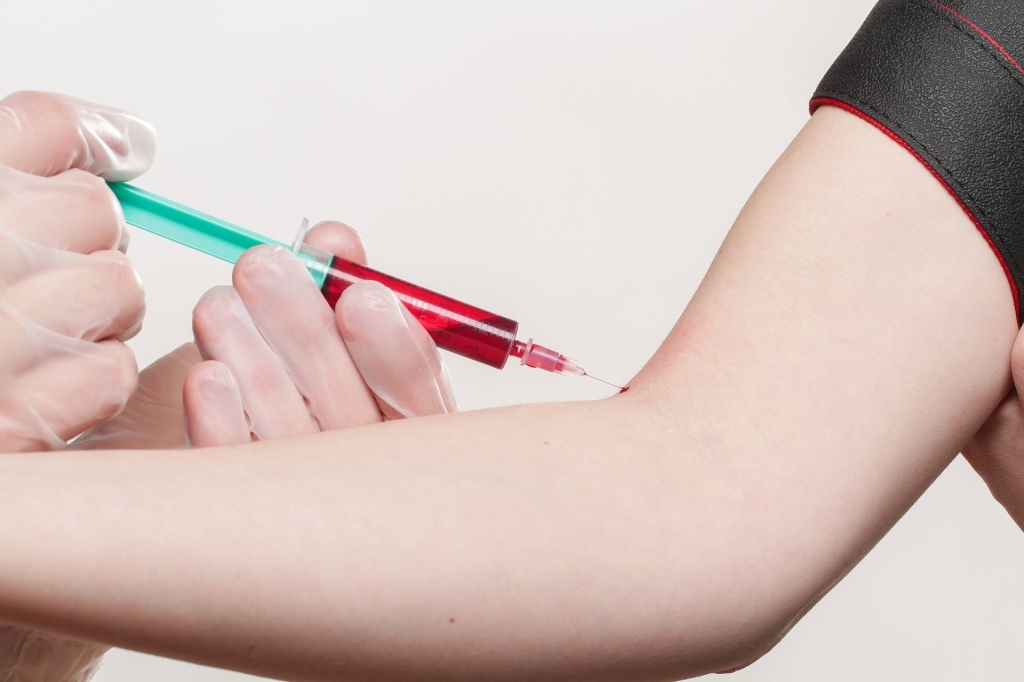
A phlebotomist specializes in venipuncture (and sometimes capillary sampling) to obtain blood specimens.Beyond needle techniques, they must understand patient safety, specimen handling, labeling accuracy, and infection control. A strong phlebotomy program can open doors to entry-level roles in hospitals, clinics, blood banks, and private laboratories.
Key benefits of a phlebotomy career
- Fast entry into healthcare: Many programs take less than a year to complete.
- Steady demand: Hospitals, outpatient centers, and diagnostic labs need skilled phlebotomists.
- Flexible work settings: Public hospitals, community clinics, mobile phlebotomy services, and outreach programs.
- Clear path to advancement: Gain experience, pursue certification, and explore roles like lead phlebotomist or trainer.
- Solid earning potential: competitive entry-level wages with opportunities for growth.
Career outlook and Industry Demand
Healthcare systems rely on phlebotomists to support diagnostic testing workflows. The role is in high demand due to an aging population, expanding laboratory networks, and the ongoing need for accurate specimen collection. The job outlook varies by region, but nationwide data consistently show growing opportunities for certified phlebotomists with formal training and certification.
Training Pathways: How to Become a Certified Phlebotomist
There isn’t one single universal path. Moast aspiring phlebotomists follow a structured training plan that combines classroom learning with hands-on clinical practice. Here are the most common pathways:
Certificate programs (the most common route)
Certificate programs in phlebotomy typically take 4 to 12 months and are offered by community colleges, vocational schools, and some medical laboratories. They cover anatomy and physiology, specimen collection, safety and infection control, patient communication, and basic lab operations. A practicum or clinical externship is usually required to gain real-world experience.
Diploma or associate degree programs
Some institutions offer 1- to 2-year diploma or associate degree programs with a broader curriculum that includes clinical experience, basic microbiology, and healthcare ethics. These programs can prepare you for advanced roles in medical assisting or laboratory support, and they provide a strong foundation if you plan to pursue further study later.
online plus in-person lab components
Online phlebotomy training can be convenient for theory and theory-heavy courses, but hands-on practice with venipuncture and capillary collection is essential. Look for programs that pair online coursework with in-person lab sessions and a clinical internship to ensure you meet state and employer expectations.
Licensing vs Certification: What you need to know
Licensing requirements vary by state or country. In many places, you don’t need a state license to work as a phlebotomist, but employers frequently enough require certification from a recognized credentialing body. certification demonstrates validated competence in core skills and is a strong signal to employers that you’re job-ready.
Certification Options: Choosing the Right Path
Several reputable organizations offer phlebotomy certification. The most widely recognized options in the United States include:
- American society for Clinical Pathology (ASCP) – Phlebotomy Technician (PBT) Certification
- national Healthcareer Association (NHA) – Certified Phlebotomy Technician (CPT)
- american Medical Technologists (AMT) – Registered Phlebotomy Technician (RPT)
- National Centre for Competency Testing (NCCT) – Certified Phlebotomy Technician (CPT)
How to choose the right certification for you:
- Check employer preferences in your area-hospitals and large clinics may prefer certain certifying bodies.
- Compare exam formats, cost, and recertification requirements.
- Ensure the certification is recognized by the state were you plan to work.
- Consider program alignment: some schools offer a pathway that directly leads to a specific certification.
What to expect on the certification exams
Most phlebotomy certification exams cover:
- Phlebotomy techniques (venipuncture and capillary collection)
- Safety and infection control
- Specimen handling, labeling, and chain of custody
- Quality assurance and patient interaction
- Basic anatomy and physiology related to blood collection
Maintaining certification: continuing education and recertification
Certification is typically valid for a specific period (often 2-4 years). You’ll need to complete continuing education (CE) credits or retake a portion of the exam to renew. Staying current with best practices in specimen handling, safety protocols, and new testing technologies is essential to ongoing success.
The Certification Process: A Step-by-Step Guide
- Research state requirements and preferred certification bodies in your area.
- Complete an accredited phlebotomy training program with a clinical practicum.
- Choose your certification body and register for the exam.
- Prepare using official study guides, practice tests, and hands-on practice.
- Pass the certification exam and receive your credential (CPT, PBT, or RPT).
- Find a phlebotomy job and plan for recertification as required.
Skills and Competencies You’ll Develop
Beyond the technical act of drawing blood, accomplished phlebotomists master a set of practical and soft skills:
- Technical proficiency in venipuncture and capillary collection
- Patient communication and composure, especially with anxious patients
- Specimen labeling, documentation, and chain-of-custody practices
- Infection control, biosafety, and proper use of PPE
- Understanding of basic laboratory workflows and specimen transport
- Attention to detail and problem-solving under pressure
Practical Tips for Success: Navigating Training and Certification
- Choose an accredited program with a guaranteed clinical externship or strong local partnerships.
- Ask about pass rates for the certification exam and the support offered by the school.
- invest time in practice venipuncture with friends or supervised simulation kits before live patient work.
- Prepare a polished resume that highlights hands-on experience, safety training, and patient communication.
- Join local healthcare networks or phlebotomy student groups to gain insights and mentorship.
Salary, Benefits, and Career Growth
Salary for phlebotomists varies by location, experience, and setting. Entry-level salaries are competitive for healthcare support roles and may increase with additional responsibilities,certification,or transition into roles like lead phlebotomist or supervisor.some settings offer benefits such as health insurance, paid time off, retirement plans, and opportunities for specialization (e.g., pediatric phlebotomy or donor center work).
Sample salary snapshot (illustrative only)
| Role/Setting | Typical Salary Range | Notes |
|---|---|---|
| Entry-level phlebotomist | $32,000 – $42,000 | Location and employer-specific,with room for growth |
| Experienced phlebotomist | $40,000 – $55,000 | Advanced certifications can boost pay |
| Lead phlebotomist / supervisor | $45,000 – $65,000 | Includes supervisory responsibilities and scheduling |
Case Studies: Real-World Paths to Phlebotomy Success
Case Study 1: Maria’s Quick Start into Healthcare
Maria lived in a mid-sized city and wanted a fast route into healthcare. She enrolled in a six-month phlebotomy certificate program at a local community college, which included a 120-hour clinical externship. She studied diligently, completed the externship at a regional hospital, and sat for the CPT exam thru the NHA. Within two months of becoming certified, Maria landed a role as a phlebotomist at a community hospital.Her bedside manner and accuracy with specimen labeling helped her stand out, and she quickly earned a reputation for reliability during high-volume blood draw days.
Case Study 2: Jamal’s Growth with Certification
Jamal started in a hospital laboratory assistant role with limited patient contact. He pursued an ASCP Phlebotomy technician (PBT) certification while working, using employer-funded tuition assistance.After earning his certification,he transitioned to a dedicated phlebotomy position in a fast-paced outpatient clinic. Jamal’s career continued to advance when he completed a second certification in donor center phlebotomy, opening opportunities to lead donor collections and training new staff.
First-Hand Experience: A Personal Viewpoint
When I began studying phlebotomy, I was drawn to the combination of hands-on technique, patient care, and the critical role in diagnostics. My program required a clinical practicum, which gave me real-world exposure under supervision. I learned how vital it is indeed to stay calm when a patient is afraid of needles, how to communicate clearly about what I’m doing, and how meticulous labeling prevents costly errors. after certification, I found a welcoming healthcare team that valued precision, empathy, and teamwork. If you’re considering this path, know that the initial training is the foundation; your ongoing commitment to learning and patient care will shape your long-term success.
Frequently Asked Questions (FAQ)
- Is phlebotomy certification required to work as a phlebotomist?
- Do I need to be licensed to practice phlebotomy?
- How long does it take to become a certified phlebotomist?
- What is the cost of certification, and does it vary by certifying body?
- Can online programs prepare me for the real-world practice of phlebotomy?
Conclusion: Your Path to Becoming a Certified Phlebotomist
Becoming a certified phlebotomist is a practical and rewarding entry into the healthcare field. By selecting an accredited training program, preparing for a recognized certification exam, and building strong patient-focused skills, you can open doors to a stable, in-demand career. Remember to verify state requirements and employer expectations in your area, invest in hands-on practice, and pursue continuing education to stay current with industry standards. With dedication, you can turn your phlebotomy training into a satisfying, long-term career that makes a real difference for patients and healthcare teams.