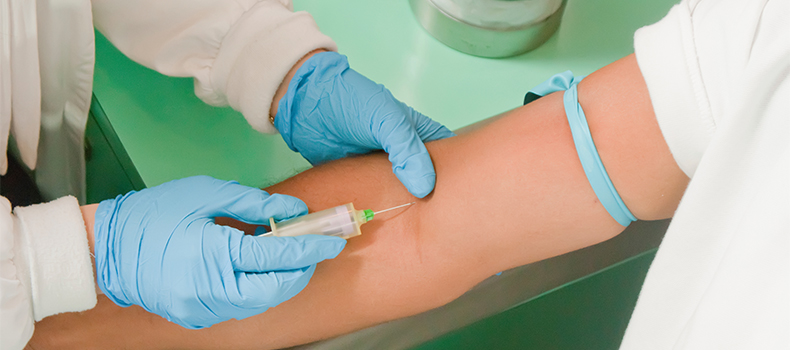
Boost Your Skills with Top Phlebotomy Continuing Education Courses in 2024
Introduction
In the fast-evolving field of healthcare, phlebotomy professionals must stay current with best practices, safety standards, and evolving guidelines. Continuing education (CE) courses for phlebotomy are an essential part of maintaining certification, expanding practical competencies, and increasing job opportunities. Whether you’re just starting your career as a phlebotomy technician or you’re aiming for advanced roles such as supervisor or trainer, investing in high-quality CE courses in 2024 can led to better patient outcomes, higher efficiency, and greater job satisfaction.
This thorough guide highlights the top phlebotomy continuing education courses available in 2024, how to choose the right options for your career path, and practical tips to maximize your CE credits. We’ll cover online and in-person formats, credible providers, typical credit hours, and real-world scenarios where CE made a measurable difference.
why Continuing education Matters in Phlebotomy
Phlebotomy is not merely about drawing blood. It encompasses specimen handling, patient communication, infection control, specimen labeling, pre-analytical quality assurance, and adherence to regulatory standards. CE courses help you:
- Stay updated on the latest safety protocols, PPE guidelines, and HIPAA considerations.
- Refine specimen collection techniques to reduce hemolysis, sample rejection, and patient discomfort.
- Meet state board or employer requirements for ongoing certification and credential maintenance.
- Build competency in phlebotomy-related technologies, automation, and electronic health record (EHR) workflows.
- Enhance professional credibility, teamwork, and leadership potential within healthcare settings.
Note: CE credits or continuing education units (CEUs) requirements vary by state and certification bodies. Always check your credentialing agency to confirm the exact credit-hour requirements and renewal timelines.
How to Choose the Right Phlebotomy CE Courses in 2024
With hundreds of options, selecting the best phlebotomy CE courses can feel overwhelming. Use this practical framework to guide your decision:
- Accreditation and credibility: Look for providers accredited by recognized boards or institutions. prefer courses aligned with your certification body’s guidelines.
- Format and versatility: Online,in-person,or hybrid options should fit your schedule,learning style,and access to facilities for hands-on practise.
- Credit hours and requirements: Verify the number of CE credits and how they apply to your renewal window.
- content relevancy: Prioritize courses covering pre-analytical variables, biosafety, specimen collection in special populations, and regulatory updates.
- Instructor expertise: Seek courses led by experienced phlebotomists, supervisors, and educators with real-world case studies.
- Reviews and outcomes: read participant feedback and look for evidence of improved performance or pass rates in associated assessments.
- Cost vs value: Consider price, access duration, downloadable resources, and post-course support or coaching.
Top Phlebotomy CE Formats in 2024
The best CE plans combine flexibility with hands-on practice. In 2024, the most effective CE formats include online self-paced modules, live virtual sessions, and in-person workshops that emphasize practical skills and safety. Here are the core formats you’re likely to encounter:
- Online self-paced modules with downloadable PDFs and quizzes
- Live virtual workshops with real-time Q&A and demonstrations
- In-person hands-on labs focused on venipuncture technique, specimen handling, and safety drills
- Hybrid courses that mix online theory with a shorter in-person skills lab
- Specialty CE (pediatric phlebotomy, geriatric populations, difficult draws, anticoagulated samples)
- Certification exam prep and review courses for CPT or analogous credentials
Popular CE Formats at a Glance
| Format | Typical Hours | Best For |
|---|---|---|
| Online self-paced | 2-10 hours | Busy schedules; flexible pacing |
| Live virtual | 2-6 hours | Interactive Q&A; real-time feedback |
| In-person workshop | 4-8 hours | Hands-on practice; peer learning |
| Hybrid | 3-12 hours (online + in-person) | Balance theory and skills |
Top Phlebotomy CE Courses for 2024 (Examples)
Below are representative examples of CE pathways that many phlebotomy professionals find valuable. Thes are illustrative formats and typical outcomes; always verify current availability, credits, and format with the provider.
course A - Foundations of Phlebotomy Safety and Patient Care
- Format: Online self-paced
- Credits: 4 CE hours
- Highlights: pre-analytical variables, infection prevention, patient communication
- Ideal for: New technicians building a solid safety foundation
Course B – Advanced Specimen Handling and Error Reduction
- Format: Hybrid (online theory + in-person practice)
- credits: 6 CE hours
- Highlights: Hemolysis minimization, specimen labeling accuracy, chain-of-custody
- Ideal for: Technicians seeking to reduce specimen rejection rates
Course C – Pediatric and Geriatric Phlebotomy Techniques
- Format: Live virtual workshop
- Credits: 5 CE hours
- Highlights: Age-appropriate vein selection, comforting the patient, family communication
- Ideal for: Providers in pediatrics or long-term care
Course D – Regulatory Compliance and Biosafety 101
- Format: In-person seminar
- Credits: 3 CE hours
- Highlights: OSHA, HIPAA basics, waste disposal, and incident reporting
- Ideal for: All phlebotomy staff needing refresher on compliance
case Studies: How CE Transforms Phlebotomy Practice
Real-world cases show how continuing education translates to better patient experiences and operational efficiency.
”After completing a CE module on specimen quality and patient comfort,our phlebotomy team reduced redraws due to poor specimen quality by 28% within three months. The improvement came with measurable gains in patient satisfaction scores.”
- Case 2: A community clinic offered hybrid CE on pediatric phlebotomy and saw smoother experiences for young patients and families.
- Case 3: A blood bank team used CE to standardize venipuncture techniques, reducing hematomas and improving donor retention.
First-hand Experience: A Phlebotomy Tech’s CE Journey
When I started as a phlebotomy technician, I relied on on-the-job training and sporadic in-services. A few years in, I enrolled in a comprehensive CE program focused on biosafety, tube types, and patient communication. The online modules allowed me to learn at night, while the live practice sessions gave me confidence with challenging draws. After completing the course,I implemented a simple bedside checklist,which reduced sample rejects and improved patient interactions. CE isn’t just about credits-it’s about tangible improvements in daily practice.
Practical Tips to Maximize Phlebotomy CE in 2024
- Plan CE activities around certification renewal dates to avoid last-minute crunches.
- Take advantage of micro-credentials or modular CE units that build toward larger certification goals.
- Pair CE with hands-on practice days at your workplace to reinforce learning.
- Participate in online discussion forums or study groups to deepen understanding and retention.
- Document your CE activities with receipts and certificates for speedy renewal verification.
Conclusion: Elevate Your Phlebotomy Career with Bright CE Choices in 2024
Phlebotomy continuing education in 2024 offers a world of opportunities to sharpen skills, stay compliant, and deliver extraordinary patient care. By selecting credible CE providers, choosing formats that fit your schedule, and focusing on content that directly enhances your daily practice, you’ll build confidence, improve efficiency, and position yourself for career advancement. Remember to align CE plans with your certification body’s requirements, emphasize hands-on competencies, and track your progress over time. Your commitment to ongoing learning is a powerful investment in your professional future.
Ready to start? Explore reputable CE options, compare formats, and map out a 12-month plan tailored to your role-whether you’re in a hospital lab, clinic, or blood banking environment. The right continuing education course can turn a routine shift into a story of skillful performance, patient trust, and career growth.
Pro tip: If you’d like personalized recommendations, tell us your current role, preferred formats, and your credentialing body. We can help you curate a short list of top phlebotomy CE courses for 2024 that align with your goals.