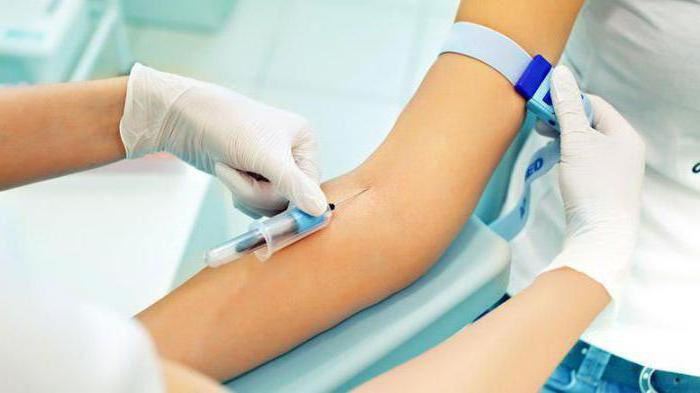
How Long Is a Phlebotomy Course? Complete Guide to Training Duration & Certification
Introduction: Why Training Duration Matters
If you’re considering a career in healthcare, you’ve probably wondered, “How long is a phlebotomy course?” The answer isn’t one-size-fits-all. Phlebotomy training comes in several formats-short certificate programs, longer diploma tracks, and even two-year degree options. Your chosen path affects not only how quickly you can start working but also the scope of responsibilities you’ll be prepared for and your eligibility for certain certifications.
In this complete guide, you’ll discover the typical durations for different phlebotomy programs, what drives those timelines, the certification process, practical tips to optimize your training, and real-world insights from students and early-career phlebotomists.
Understanding Phlebotomy Training Options
Phlebotomy training is offered through a variety of institutions and formats. Hear are the main pathways, with typical durations and what you can expect to learn in each.
Certificate Programs
Certificate programs are designed to train you quickly in core phlebotomy skills, including venipuncture, capillary collection, specimen labeling, safety protocols, and specimen handling. These programs are popular for fast entry into the workforce.
- Typical duration: 8-16 weeks (2-4 months) for intensive schedules
- Part-time/online options may extend to 6-9 months
- Clinical externship or practicum required by most programs
Diploma Programs
Diploma programs provide a broader curriculum, frequently enough including more hands-on practice, patient interaction, and foundational lab knowledge. Thay’re a solid stepping stone if you’re considering advancing in allied health.
- Typical duration: 9-12 months (full-time)
- Hybrid options combining online coursework with on-site labs
- More extensive externship requirements than certificate programs
Associate Degree programs
Some community colleges and allied health schools offer associate degrees in phlebotomy, often labeled “Associate of Applied Science in Phlebotomy” or similar. These programs blend phlebotomy skills with general education and lab science coursework.
- typical duration: 18-24 months (two years)
- requires more credits and sometimes general education prerequisites
- Eligible for broader career options in clinical labs or hospitals
What Determines the length of a Phlebotomy Course?
Several factors influence how long a phlebotomy program takes to complete. Being aware of these can help you align your schedule, budget, and career goals.
- Program type and credential: Certificate, diploma, and degree tracks each have different credit hours and clinical requirements.
- Scheduling and pacing: Full-time cohorts move faster; part-time and weekend cohorts take longer but fit work or family obligations.
- Clinical externship requirements: Most programs include hands-on practice in a real clinical setting. The number of hours varies by program and state guidelines (commonly 40-120 hours).
- State and certifying body requirements: Some states require specific hours of practicum or continuing education to be eligible for certification exams.
- Prerequisites and co-requisites: Medical terminology, anatomy, or other foundational biology courses can add time if you’re starting from scratch.
- Program accreditation and clinical site access: accredited programs and strong externship partnerships may streamline practicum scheduling.
Certification Process and Time to Certification
Completing a phlebotomy course typically prepares you for a certification exam. Certification is widely recognized in healthcare settings and can influence job prospects and salary. The exact process varies by certifying body, but the general path is consistent.
Common Certification Bodies
- ASCP Phlebotomy Technician (PBT) certification
- NHA Phlebotomy Technician (CPhT) certification
- American Medical Certification Association (AMCA) Phlebotomy Certification
- American Certification agency (ACA) for Healthcare Professionals
- State-specific certifications were applicable
Typical Certification Timeline
- Eligibility: After completing an accredited phlebotomy program and meeting any practicum/hours requirements.
- exam windows: Most certifying bodies offer multiple testing windows throughout the year; you can frequently enough schedule once you’re eligible.
- Exam duration: Most phlebotomy exams run about 90-125 minutes, with 100-150 questions depending on the board.
- Results and credential: Many applicants receive results within 1-4 weeks; certification is valid for a defined period (commonly 2-4 years) with required continuing education or recertification.
- Cost: Exam fees typically range from $125 to $300, plus any application or study materials costs.
Study and Prep Tips for Certification
- Use official exam prep guides and practice tests from the certifying body.
- Ask your program about integrated exam prep or mock tests during training.
- Join a study group or online community to review venipuncture techniques, specimen collection protocols, and safety procedures.
- Ensure you meet any CPR or first-aid prerequisites if required by the certifying body.
Practical Tips to Shorten Training Time Without Compromising Quality
If you’re eager to enter the workforce quickly, these practical steps can help you stay efficient while ensuring you’re job-ready.
- Choose an accredited program: Accreditation ensures the program meets industry standards and aligns with certification requirements.
- Assess externship opportunities: Strong clinical sites can shorten the time to practical competence and improve job placement.
- Full-time vs. part-time: If you can commit to full-time study, you’ll likely finish sooner; part-time options offer versatility but extend the timeline.
- Pre-study prerequisites: If you already have medical terminology or basic biology,you may complete prerequisites more quickly.
- Financial planning: Explore scholarships, grants, or employer sponsorships to avoid break periods that extend training time.
Benefits of completing a Phlebotomy Course
- Fast entry into healthcare with clear,defined skillsets
- High demand for phlebotomists across hospitals,clinics,and blood banks
- Flexible program formats (online,hybrid,evening/weekend cohorts)
- Foundation for advancing to related careers in laboratory science or nursing
- Competitive starting salaries for trained technicians in many regions
Case Studies & First-Hand Experiences
Case Study 1: certificate Path in 12 Weeks
Jessica enrolled in a 12-week certificate program with a strong clinical externship. She completed her coursework on a full-time schedule, passed the certification exam on her first attempt, and landed a full-time phlebotomy tech role at a regional hospital within two weeks of graduation.
Case Study 2: Diploma Path with extended Practicum
Luis chose a 10-month diploma track that included more extensive patient interaction and a longer externship. He found the broader clinical exposure valuable for understanding specimen processing and the nuances of working with diverse patient populations.
Case Study 3: Online Hybrid Route
Aimee balanced a part-time work schedule with an online hybrid phlebotomy course. She completed the theoretical component online and finished her hands-on externship during evenings and weekends, allowing her to switch careers while maintaining income.
Program Comparison: Quick Reference
Below is a concise overview of common phlebotomy program options to help you compare durations, hours, and certification eligibility.
| Program Type | Typical Duration | Estimated Credit/Hours | Certification Eligibility | Best For |
|---|---|---|---|---|
| Certificate | 8-16 weeks | 120-280 hours (varies by program) | Usually yes after practicum | Fast entry into clinical sites |
| Diploma | 9-12 months | 300-600 hours | Typically yes; more practicum | broader clinical exposure |
| Associate Degree | 18-24 months | 60-75 semester credits | Yes in many states; may require general ed | Expanded career options in labs |
Frequently Asked Questions
- How long does it typically take to become a phlebotomist?
- Most people complete a certificate in 8-16 weeks or a diploma in 9-12 months. An associate degree takes about 18-24 months.
- Is online phlebotomy training credible?
- Online or hybrid formats can be credible if they include hands-on labs and an externship. Verify accreditation and externship opportunities.
- Do I need certification to work as a phlebotomist?
- In many states, certification improves job prospects and may be required by employers or state regulations. Check local requirements first.
- What are common practicum hours?
- Clinial hours commonly range from 40 to 120 hours, depending on the program and state rules.
Conclusion: Start Your Phlebotomy Journey with Confidence
Whether you choose a short certificate, a more extensive diploma, or a two-year associate degree, the duration of a phlebotomy course should align with your career goals, schedule, and financial plan. Remember that the fastest path isn’t always the best path-quality training, accessible externships, and strong certification preparation will pay off with better job readiness and long-term career growth.
If you’re ready to take the next step, start by identifying accredited programs near you, compare their durations and practicum opportunities, and review their certification preparation support. A thoughtful choice now can definitely help you enter a rewarding healthcare role sooner than you think.