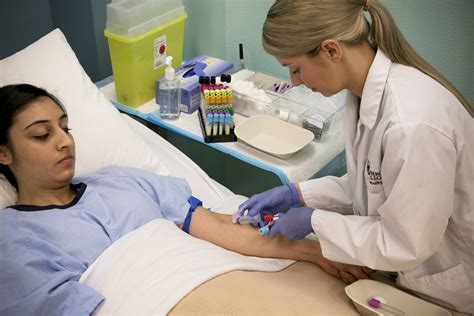
Top Phlebotomy Jobs & Salary Insights: Earn More in Your Phlebotomy Career
Introduction: A Clear Path to Stability, Skill, and Progress in Phlebotomy
Phlebotomy is more than just drawing blood. It’s a critical entry point into healthcare, combining patient care, technical skill, and precision.for many, a career in phlebotomy offers strong demand, competitive salaries, and opportunities to advance into leadership roles, travel assignments, or specialized clinical settings. In this guide, you’ll find the latest insights on top phlebotomy jobs, salary expectations, how to earn more, and practical tips to accelerate your career trajectory.
Whether you’re just starting out with a certificate or you’re an experienced phlebotomist looking to level up,understanding industry trends,geographic differences,and the right certifications can make a meaningful difference in your earnings and job satisfaction.
Why Phlebotomy Careers Are Growing
- Essential role in clinical labs and hospital settings with steady demand.
- Increasing emphasis on accurate specimen collection, patient safety, and turnaround times.
- Geographic hotspots and travel opportunities expand earning potential.
- Multiple pathways to advancement, including supervisory roles, specializations, and education/leadership tracks.
As healthcare systems expand and lab networks become more centralized, experienced phlebotomists who combine technical skill with strong communication experience higher earning potential.The field rewards reliability, efficiency, and continual learning-qualities that translate directly into higher salaries and more diverse job options.
Top Phlebotomy jobs You Should Consider
Below are common roles within phlebotomy, ranging from entry-level to leadership-oriented tracks. Each role offers distinct responsibilities, required certifications, and salary possibilities.
- Phlebotomist / Phlebotomy Technician – Collect blood samples by venipuncture or capillary puncture; perform basic specimen handling and labeling; typically requires a postsecondary phlebotomy certificate and CPR certification.
- Lead Phlebotomist / Senior Phlebotomy Technician – Oversees daily specimen collection operations, trains new staff, ensures quality control, and supports scheduling; frequently enough requires 1-3 years of experience.
- Travel Phlebotomist – Provides temporary coverage across multiple sites (hospitals,clinics,labs); higher hourly rates due to travel,housing stipends,and assignment duration.
- Phlebotomy Supervisor / Team Lead – Manages the phlebotomy team, coordinates workflow, compliance, and performance metrics; typically requires leadership experience and additional training.
- phlebotomy Trainer / Educator – Delivers training to new phlebotomy staff, develops training materials, and ensures adherence to standards; often requires teaching experience or a specialized certification.
- Specimen Processing Technician (Blood Bank/Transfusion Services) – Focuses on specimen integrity, labeling accuracy, and specimen routing; frequently enough a related role that can pair with phlebotomy experience.
Salary Insights by Role and Setting
Salary varies widely by location, setting (hospital, private lab, outpatient clinic), certifications, and experience. The figures below reflect typical ranges in many U.S. markets and are intended as benchmarks rather than guarantees.
| Phlebotomy Role | Typical Certification | average Annual Salary (USD) | Notes |
|---|---|---|---|
| Phlebotomist / Phlebotomy Technician | CP T / PBT or equivalent | $34,000 – $56,000 | Entry to mid-level; higher in urban hospitals; benefits commonly included |
| Lead Phlebotomist / Senior Technician | Phlebotomy certification + 1-3 years experience | $40,000 - $70,000 | Variance by volume and supervisory duties; travel not always required |
| Travel Phlebotomist | Phlebotomy certification; CPR; flexible credentials | $46,000 – $85,000 | Higher hourly rates, per diem or housing allowances; contract roles |
| Phlebotomy Supervisor / Manager | Certification + leadership training | $55,000 – $95,000 | Experience in workflow optimization and staff management required |
Geography matters. In metropolitan areas and states with higher cost of living (for example, California, New York, Massachusetts), salaries tend to be higher to offset living expenses. Rural areas may offer lower base salaries but can compensate with lower competition and sometimes sign-on bonuses or shift differentials.Always compare total compensation packages, including benefits, overtime, and sign-on bonuses.
Certifications, Education, and Career Ladder
Certification is a powerful driver of earning potential and job security in phlebotomy. Common paths include:
- Phlebotomy Certification (PBT/CPT) – Demonstrates competence in venipuncture, specimen handling, and safety.
- CPR / First Aid – Often required for clinical roles and increases employability.
- Advanced or Specialty Certifications – Pediatric phlebotomy, geriatric phlebotomy, or a leadership track; some programs offer specialized credentials.
- Leadership and Education Training – For supervisors or trainers; courses in supervision, QA, and training methodologies can boost salary and scope.
Tip: Start with an accredited phlebotomy program, complete clinical rotations to gain hands-on experience, and maintain certifications with regular renewal. Ongoing education signals commitment and frequently enough correlates with better opportunities and higher pay.
Geographic and Industry Variations That Impact Pay
Hospitals may offer steadier schedules and benefits; private laboratories can pay more for travel-intensive roles or contract work. Higher wages in cities with higher living costs; rural facilities may offer loan repayment or sign-on incentives. Evening, night, or weekend shifts often come with differential pay; overtime can considerably boost annual earnings. Each additional year on the job and extra certifications typically raise earning potential.
Practical Tips to Earn More in Your phlebotomy Career
- Choose a reputable training program with clinical rotations to build confidence and get noticed by employers.
- Obtain and maintain credential(s) such as CPT/PHBT and CPR; keep track of renewal dates.
- Seek travel or per diem opportunities for higher hourly rates and broader experience.
- Specialize in pediatric, geriatric, or neonatal phlebotomy to differentiate yourself.
- Build soft skills: patient communication, bedside manner, and teamwork; these often influence promotions and differential pay.
- Ask about pay progression and performance-based raises; document accomplishments and patient feedback.
- Consider leadership tracks (lead phlebotomist, supervisor) as early as you’re ready; leadership roles frequently carry higher salaries.
Bonus: Continuous education like infection control, specimen transport optimization, and QA measures can open doors to higher-responsibility roles and pay increases.
Case Studies and first-Hand Experiences
From Certificate to travel Phlebotomist: A Career Path
Maria earned a 6-month phlebotomy certificate and completed clinical rotations at a regional hospital. She started as a staff phlebotomist earning approximately $18/hour. After 18 months, she pursued a travel phlebotomy assignment, which paid around $28-32/hour plus per diem. The travel role broadened her skill set, exposed her to different lab environments, and led to a supervisory position within two years.
Advancing to Leadership: The Supervisor Track
John began as a phlebotomy technician in a busy urban hospital. By taking additional training in leadership and quality assurance, he transitioned into a supervisor role within three years, increasing his annual earnings and gaining influence over process improvements, which further boosted job satisfaction and stability.
Benefits and Practical Tips for long-Term Success
- Job stability: Phlebotomy remains essential across healthcare settings, including hospitals, clinics, and labs.
- Flexible schedules: Many facilities offer shift options that fit student,parent,or second-job needs.
- Professional growth: A clear ladder from phlebotomist to lead, supervisor, trainer, or travel roles.
- Competitive benefits: Health insurance, retirement plans, paid time off, tuition reimbursement in many facilities.
- Skill diversification: Expand into specimen processing, courier roles, or QA coordination to diversify earnings.
Frequently Asked Questions
Q: What is the typical entry-level salary for a phlebotomist?
A: Entry-level phlebotomists frequently enough earn around $15-20 per hour ($31k-$42k annually), depending on location and employer.
Q: Do travel phlebotomists earn more?
A: Yes. Travel roles frequently pay a premium-often $25-$40+ per hour plus per diem or housing stipends-due to temporary assignments and travel requirements.
Q: What certifications boost earnings moast?
A: Starting with a certified phlebotomy technician credential (CPT/PHBT) and CPR is foundational. Additional leadership or specialty certifications can lead to supervisory roles and higher pay.
Salary Snapshot by Role and Setting (Swift reference)
| Role | Typical Certification | Annual Salary (USD) | Notes |
|---|---|---|---|
| Phlebotomist | Phlebotomy certificate (CPT/PHBT) | $34,000 – $56,000 | Urban centers higher; benefits common |
| Lead Phlebotomist | Phlebotomy certificate + experience | $40,000 – $70,000 | Supervisory duties; process improvements |
| travel Phlebotomist | Phlebotomy certificate; CPR | $46,000 – $85,000 | Per diem/housing; higher hourly rate |
| phlebotomy Supervisor | Phlebotomy certificate + leadership | $55,000 - $95,000 | Team management; scheduling; QA |
Note: Salary ranges are approximate and depend on location, employer, and market demand. Always verify current market data for your area.
Conclusion: Build a Rewarding, Lucrative Phlebotomy Career
Phlebotomy offers a practical path into healthcare with steady demand, meaningful patient interaction, and clear avenues for advancement. By earning the right certification, gaining hands-on experience, and exploring different settings-hospital, private lab, travel assignments-you can optimize your earnings and professional satisfaction. Pair technical skills with strong communication, pursue leadership and specialty certifications, and stay open to diverse opportunities. Your commitment to ongoing learning is the strongest predictor of long-term earnings and career resilience in phlebotomy.
If you’re ready to start or accelerate your phlebotomy journey, map a plan that includes targeted certifications, goal-oriented roles (e.g., travel phlebotomist or lead phlebotomist), and real-world experiences across clinics and labs. The more you invest in your skills and adaptability, the more you’ll be able to earn in your phlebotomy career.