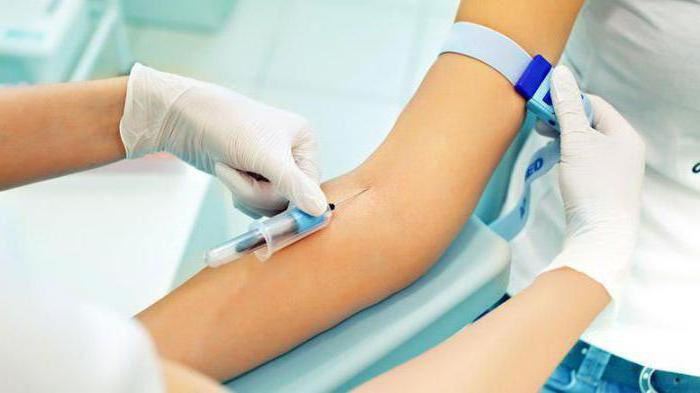
What Are Phlebotomists Earning? A Complete Guide to Wages and salary Trends in 2024
Phlebotomists play a crucial role in healthcare by drawing blood for tests, transfusions, donations, and research. As a steady demand for diagnostic testing continues, many readers want a clear picture of what phlebotomists are earning in 2024, what factors influence pay, and how to maximize earnings over the career path. This extensive guide provides current salary trends, regional differences, pay by work setting, certifications that pay off, and practical tips to grow your wages in the coming years.
Understanding the role and why earnings vary in 2024
phlebotomists are skilled technicians who collect blood samples, ensure patient comfort, label specimens, and maintain strict chain-of-custody for lab results. Earnings vary for several reasons:
- Work setting: Hospitals, outpatient clinics, private labs, mobile/phlebotomy services, and community blood banks all offer different pay scales and benefit structures.
- Geographic location: Cost of living and local labor demand influence salaries. Regions with higher living costs typically show higher pay to attract qualified staff.
- Experience and certifications: Entry-level phlebotomists with certification generally earn more then those without. As you gain experience and credentials,opportunities for higher pay increase.
- Shifts and overtime: Evening, night, weekend, and on-call shifts frequently enough come with differential pay or overtime premiums.
- Additional responsibilities: Roles that include specimen processing, data entry, phlebotomy leadership, or basic lab tech tasks can boost earnings.
2024 salary overview for phlebotomists
In 2024, phlebotomist salaries remained solid due to steady demand for diagnostic testing and blood collection services. While exact figures vary by source and region, most industry reports place the national average in the mid-to-high $30,000s to low $40,000s per year, with considerable upside for specialized roles and higher-cost areas.Below are the key takeaways to guide your expectations and planning.
National overview
The typical range for a full-time phlebotomist in 2024 often fell between roughly $34,000 and $46,000 per year in the United States, with the median generally around the upper $30,000s to low $40,000s. entry-level positions (with certification) tend to start in the upper $30,000s, while those with several years of experience or additional responsibilities can push toward the mid to high $40,000s.
Regional variations
salary levels are influenced by cost of living, local demand, and healthcare infrastructure. General patterns observed in 2024 include:
- Northeast: Often among the higher ranges due to cost of living and dense healthcare networks. Expect ranges roughly in the mid $30,000s to mid $40,000s.
- Midwest: Solid demand with competition among employers; typical ranges from the low to mid $30,000s up to the mid $40,000s.
- South: Large ranges, with many positions in the low to mid $30,000s, and higher earnings in metro areas or mobile/phlebotomy roles.
- West: Some of the highest compensation in metro markets, with many phlebotomists earning in the mid to high $40,000s, and higher in premium markets like coastal cities.
Note: These ranges are representative and depend on the exact city, employer, and whether the role includes additional responsibilities or overtime.
Salary by work setting
Were you work matters a lot. Below is a snapshot of typical annual pay ranges by setting in 2024, along with fast notes on what drives differences.
| work Setting | Estimated Avg Salary (USD, 2024) | Notes |
|---|---|---|
| Hospitals | $36,000 – $45,000 | High patient volume and exposure to complex cases can support stronger compensation, especially in urban teaching hospitals. |
| Outpatient clinics | $35,000 – $44,000 | Steady demand; benefits frequently enough robust in larger clinics, but pay scales vary by region. |
| Private laboratories | $38,000 – $46,000 | Specialized labs may offer higher pay, especially in fast-growing diagnostic networks. |
| Mobile/phlebotomy services | $40,000 – $52,000 | Travel and on-site flexibility can boost earnings; differential pay for travel may apply. |
| Blood donation centers | $34,000 – $42,000 | Stable demand with opportunities in donor services and outreach programs. |
These figures illustrate typical ranges and are designed to help you benchmark your current pay or plan for a future career move. Always check local listings and employer-specific offers for the most accurate numbers.
Salary trends and growth factors in 2024
Understanding what drives phlebotomy pay helps you make informed career decisions. Here are the top factors influencing wages in 2024.
Certifications, education, and experience
- Certification matters: Phlebotomy certification (CPT, PBT, or equivalent) generally correlates with higher starting pay and more rapid advancement than non-certified peers.
- Education level: Professionals who pursue additional training in related areas (e.g., Medical Laboratory Technician programs) can qualify for higher-level roles in the lab, which pay more.
- Experience: Entry-level phlebotomists with 1-2 years of experience see faster wage growth than those just starting out. With 5+ years, many move into lead or supervisory roles that carry premium pay and benefits.
Demand, healthcare trends, and regional growth
- The demand for phlebotomists tracks the broader laboratory and diagnostic testing market. As screening and chronic disease monitoring rise, more collection sites and mobile services emerge, lifting opportunities and wages in many regions.
- Urban and suburban healthcare systems with high patient throughput frequently enough offer higher pay to attract qualified staff and minimize turnover.
- Some markets offer sign-on bonuses or relocation stipends for certified technologists, notably in rural areas that struggle to recruit healthcare professionals.
overtime,shifts,and bonuses
- Evening,night,weekend,and on-call shifts typically include overtime pay or shift differentials,which can add several thousand dollars to annual earnings.
- Bonuses or incentive programs may be available in some hospital systems or private labs, especially if the team meets processing targets or quality metrics.
Career development and long-term earning potential
phlebotomy can be a strong launching pad for broader medical laboratory careers. with certification and additional schooling, you can transition into roles like Medical Laboratory Technician (MLT) or Lab Technologist, which offer higher salaries and more opportunities for advancement. Planning a structured career path can maximize your lifetime earnings.
Practical tips to maximize phlebotomy earnings in 2024
Whether you’re just starting out or looking to boost your current pay, here are practical steps that have helped many phlebotomists increase earnings.
Get certified: Obtain and maintain an accredited phlebotomy certification (CPT, PBT, or equivalent). Certification often translates to higher starting pay and better job prospects. - Choose higher-paying settings: If possible, explore roles in mobile phlebotomy or private labs, which frequently offer higher pay than some outpatient clinics.
- Specialize or expand duties: Take on additional responsibilities such as specimen processing,point-of-care testing support,or EHR/data entry. Leadership or shift supervisor roles tend to pay more.
- Pursue further education: Consider advancing to an MLT/MLS track or related medical laboratory education to qualify for higher-paying lab roles.
- Negotiate effectively: come prepared with market data from your region and setting when negotiating salary or asking for a raise. Demonstrating certification,tenure,and reliability strengthens your case.
- Leverage overtime strategically: If you’re open to overtime or on-call shifts, you can boost your annual earnings without changing employers.
- Stay updated on best practices: Regularly refresh your knowledge on safety, HIPAA, patient interaction, and specimen handling to reduce errors and increase value to your team.
Case studies and first-hand experience
Case study 1: From Entry-Level to Mobile Phlebotomist
Alyssa started as a certified phlebotomist in a small urban clinic at about $36,000 per year. After earning a second certification in specimen processing and taking on weekend mobile draws, her employer offered a pay bump to $44,000 with a travel stipend. Within two years, Alyssa shifted to a dedicated mobile phlebotomy company and now earns around $52,000 annually, with benefits and mileage reimbursement.
Case Study 2: Advancing with Certification
Daniel began as an entry-level phlebotomist in a regional hospital network at roughly $37,000. He pursued a Certified Phlebotomy technician certification, gained 4+ years of experience, and moved into a lead phlebotomist role with supervisory duties. His salary rose to approximately $48,000 plus a comprehensive benefits package. He reports that leadership responsibilities, rather than only performing draws, were the biggest driver for the pay increase.
Career path and future outlook for phlebotomists
Phlebotomy is a strong entry point into the broader field of laboratory medicine. A typical career ladder might look like this:
- Phlebotomist (certified) – collects blood samples and manages specimen labeling
- Senior Phlebotomist or Lead Phlebotomist – mentors staff, coordinates collections, and ensures QA standards
- Medical Laboratory Technician (MLT) or Laboratory Assistant – broader lab duties, often with additional schooling
- Laboratory Technologist or Supervisor - more advanced roles with higher pay and management responsibilities
Job growth in healthcare, combined with an aging population and expanding diagnostic testing, supports continued demand for skilled phlebotomists in 2024 and beyond. By combining certification, experience, and strategic career moves, you can build a solid and increasingly lucrative healthcare career.
Frequently asked questions (FAQ)
- What is the average phlebotomist salary in 2024?
- Most phlebotomists earned in the range of the mid-$30,000s to mid-$40,000s annually, with regional and setting differences accounting for a wide dispersion.
- Do certifications really impact pay?
- Yes. Certification typically leads to higher starting pay and faster advancement than non-certified peers. Additional certifications or advanced training can further boost earnings.
- Which setting pays the most for phlebotomists?
- Mobile phlebotomy and private laboratories often offer higher pay due to travel requirements and specialized demand, but this varies by region and employer.
- Can phlebotomists earn overtime pay?
- Absolutely. Night, weekend, and on-call shifts often come with overtime pay or shift differentials, considerably increasing annual earnings for those who work these hours.
Conclusion
In 2024, phlebotomists continued to enjoy a stable and rewarding career path with competitive wages that reflect regional demand, work setting, and professional credentials. Certification remains a key lever for higher starting pay and faster advancement, while experience and expanded responsibilities can unlock substantial earnings growth over time. whether you’re just starting your phlebotomy journey or planning a transition into a higher-paying lab role, the combination of targeted training, strategic job choices, and proactive negotiation can help you maximize your earnings.Stay curious, keep learning, and chart a path that aligns with your financial and professional goals. Your next paycheck could be a strong statement of the value you bring to patient care.