Become a Certified Phlebotomist: Your Ultimate Guide to Entry-Level Phlebotomy Careers
Embarking on a career as a phlebotomist is an excellent choice for those interested in healthcare and patient care. As an entry-level profession, phlebotomy offers numerous job opportunities, competitive salaries, and the satisfaction of directly helping patients. This comprehensive guide will walk you through the process of becoming a certified phlebotomist, highlight the benefits of the profession, provide practical tips, and share real-life insights to set you on the right path toward a rewarding career in phlebotomy.
What is a Phlebotomist?
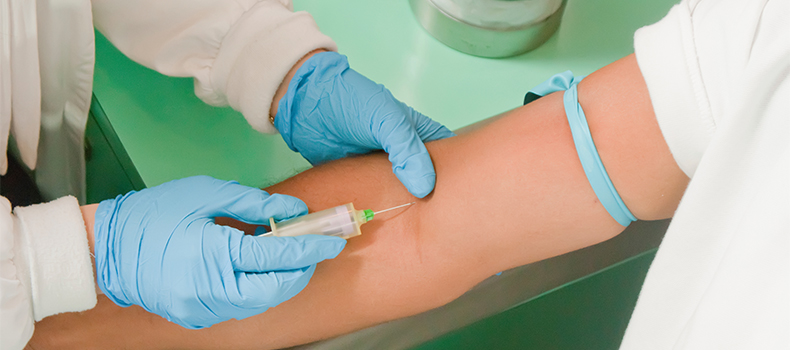
A phlebotomist is a healthcare professional trained to draw blood samples from patients for laboratory testing, blood donations, transfusions, and research. They play a vital role in the healthcare system by ensuring accurate sample collection, maintaining patient comfort, and adhering to safety protocols.
Why Choose a Career in Phlebotomy?
- High demand: The healthcare industry consistently needs qualified phlebotomists, with job growth projected to increase faster than average.
- Entry-level opportunities: minimal prior experience required; you can start your career relatively quickly after certification.
- Versatility: Many positions offer flexible schedules, including part-time and evening shifts.
- Rewarding work: Making a difference in patients’ lives through compassionate care.
- Potential for advancement: Opportunities to specialize, become lead technicians, or pursue further healthcare certifications.
How to become a Certified Phlebotomist
Step 1: Meet Basic Requirements
- Minimum age: 18 years old
- High school diploma or GED
- Strong dialogue and interpersonal skills
- Ability to handle patient anxiety and maintain professionalism
Step 2: Complete a Certified Phlebotomy Training Program
Enrolling in an accredited phlebotomy training program is essential. These programs cover theoretical knowledge and practical skills necessary to perform blood draws safely and effectively. Courses are offered at community colleges, vocational schools, and healthcare institutions.
Step 3: Gain Practical Experience
Most training programs include hands-on practice, which is crucial for building confidence and proficiency. Some programs may also help you find internship or externship opportunities.
step 4: Obtain Certification
While requirements vary by state,obtaining certification from recognized organizations enhances your employability and credibility. The most reputable certifying bodies include:
- American Society for Clinical Pathology (ASCP)
- National phlebotomy association (NPA)
- American Medical Technologists (AMT)
Certification typically involves passing an exam that tests your knowledge and practical skills. some certifying agencies may require proof of completed training hours and clinical experience.
Step 5: Apply for Entry-Level Phlebotomy Jobs
With certification in hand, you can start applying for entry-level phlebotomist positions in hospitals, clinics, blood donation centers, and laboratories. Prepare a professional resume highlighting your training, certification, and practical experience.
Benefits of Becoming a Certified Phlebotomist
| Benefit | Description |
|---|---|
| Stable Job Market | The demand for phlebotomists remains strong due to ongoing healthcare needs. |
| Good Compensation | Average salaries range from $30,000 to $45,000 annually, with potential for raises and bonuses. |
| Short Training Period | Most certification programs can be completed within a few months, allowing speedy entry into the workforce. |
| Personal Fulfillment | Helping patients and contributing to medical research provides meaningful work experiences. |
| Career Flexibility | Opportunities to work in various healthcare settings or specialize further. |
Practical Tips for Aspiring Phlebotomists
- Choose an accredited program: Ensure your training meets industry standards to qualify for certification.
- Practice diligently: Use every opportunity during your training to hone your venipuncture skills.
- Prepare for the certification exam: Review key topics, practice with sample questions, and understand the exam format.
- develop soft skills: Compassion,patience,and communication are vital when working with diverse patient populations.
- Network within the healthcare community: Attend job fairs, join professional organizations, and connect with experienced professionals.
Case Study: A Accomplished entry-Level Phlebotomist
Jane Doe, a recent graduate of a certified phlebotomy program, secured her first job at a local hospital within three months. Through her dedicated training and certification, she gained confidence in blood collection techniques and patient interaction. Jane appreciates the supportive team environment and the opportunity for career growth, aiming to specialize in pediatric phlebotomy in the future.
First-Hand Experience: What It’s Like to Be a Phlebotomist
Many entry-level phlebotomists find the work both challenging and rewarding. The job involves:
- Drawing blood accurately and efficiently
- Ensuring patient comfort and addressing fears or anxieties
- Maintaining strict hygiene and safety standards
- Documenting samples correctly for laboratory analysis
Though initially nerve-wracking, with practice, most phlebotomists develop a steady hand and a compassionate approach that makes patients feel cared for.
Conclusion
Becoming a certified phlebotomist opens the door to a fulfilling and stable career in healthcare. With the right training, certification, and attitude, you can start an entry-level position that offers growth potential, personal satisfaction, and the chance to make a positive difference in patients’ lives. Whether you’re looking for a quick pathway into healthcare or considering long-term career advancement,phlebotomy is a profession worth exploring. Begin your journey today by enrolling in a reputable training program and taking the necessary steps to earn your certification!