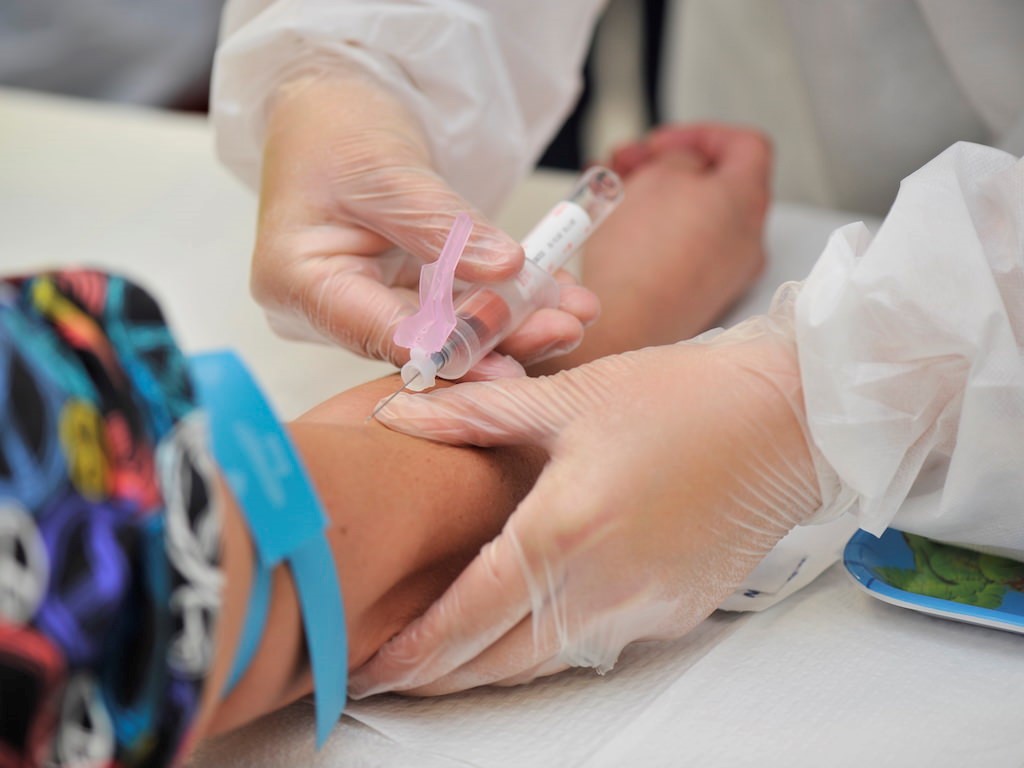
What Is a Phlebotomist? Essential Guide to the Medical Blood Draw Specialist
If you’ve ever had to get a blood test, you’ve likely encountered a skilled healthcare professional known as a phlebotomist. But what exactly does a phlebotomist do? How do they impact healthcare, and what skills and training are required to excel in this vital role? Whether you’re considering a career in healthcare, curious about medical testing procedures, or simply want to understand more about this essential profession, this complete guide is here to help.
Introduction
A phlebotomist plays a crucial role in patient care by collecting blood samples used for diagnostic testing, blood donations, and research. Their expertise ensures that blood draws are performed safely, efficiently, and comfortably for patients. As healthcare continues to evolve,the demand for qualified blood draw specialists grows,making it an attractive and vital career in the medical field.
Understanding the Role of a Phlebotomist
What Does a Phlebotomist Do?
A phlebotomist is a trained healthcare professional responsible for performing venipunctures-the process of drawing blood from a patient’s vein. They may also collect blood via capillary punctures (fingerstick or heelstick), especially in pediatric or outpatient settings.
Key responsibilities include:
- Preparing patients for blood collection procedures
- Practicing proper sterilization techniques
- Identifying suitable veins for blood draws
- labeling and handling collected samples correctly
- Keeping accurate records of blood tests
- Ensuring patient comfort and safety throughout the process
work environments for Phlebotomists
Phlebotomists work in various healthcare settings:
- Hospitals and clinics
- Laboratories and diagnostic centers
- Blood donation centers
- Primary healthcare practices
- Mobile blood collection units
Skills and Qualities of a Accomplished Phlebotomist
Being a blood draw specialist requires a unique combination of technical skills and interpersonal qualities, including:
- Excellent hand-eye coordination and fine motor skills
- Strong communication skills to put patients at ease
- Attention to detail for proper sample handling
- empathy and patience, especially with anxious or pediatric patients
- Knowledge of anatomy and proper sterilization procedures
- Ability to work under pressure and handle challenging veins
Training and Certification for Phlebotomists
Educational Requirements
Most educational pathways involve completing a post-secondary program in phlebotomy or a related healthcare field. Basic requirements typically include a high school diploma or equivalent.
Certification Process
While certification is not always mandatory, earning a professional credential enhances credibility and job prospects. Certification organizations include:
- American Society for Clinical Pathology (ASCP)
- National Phlebotomy Association (NPA)
- American Medical Certification Association (AMCA)
Certification exams generally test knowledge of blood collection techniques, safety protocols, and patient care practices.
Training Components
- Hands-on practice in blood collection methods
- Understanding of anatomy and blood flow
- Learning sterilization and safety procedures
- Patient interaction and communication techniques
Benefits and Practical Tips for Aspiring Phlebotomists
advantages of a Career as a Phlebotomist
- Relatively quick and accessible training programs
- High demand for blood collection specialists
- Opportunity to work in diverse healthcare settings
- Fulfilling role helping patients and supporting medical diagnoses
- Potential for career advancement into healthcare support roles
Practical Tips for Success
- Seek accredited training programs with hands-on components
- Develop good communication and interpersonal skills
- Practice proper sterilization and safety protocols diligently
- Stay updated on new blood collection techniques and best practices
- Build patience and compassion to ease patient anxiety
Case Study: A Day in the Life of a Phlebotomist
| time | Activity | Insight |
|---|---|---|
| 8:00 AM | Prepare work area and review patient schedules | Ensures organization and readiness for a busy day |
| 9:00 AM | Frist patient blood draw | Applying proper technique minimizes discomfort and sample errors |
| 11:00 AM | Assist in lab specimen labeling | Maintains sample integrity and prevents mix-ups |
| 1:00 PM | Break and documentation review | Ensures accurate record keeping for tests |
| 2:00 PM | Blood donation drive participation | Contributes to community health efforts |
First-Hand Experience: Why Being a Phlebotomist Matters
Many phlebotomists describe their roles as rewarding, especially when they help patients overcome fears related to blood draws or contribute to critical medical diagnoses.Their calming presence and professionalism can make a meaningful difference in a patient’s day.
Conclusion
a phlebotomist is a vital healthcare professional responsible for collecting blood samples that are integral to diagnosis, treatment, and research. Their technical skill, compassion, and attention to detail underpin many aspects of healthcare delivery. With growing demand and diverse work environments, pursuing a career as a phlebotomist can be both rewarding and impactful.If you’re interested in entering healthcare, this profession offers a practical and accessible pathway to making a difference in patients’ lives while building a stable career.
Whether you’re considering this career path or simply want to understand more about how blood tests are performed, knowing what a phlebotomist does is the first step towards appreciating the behind-the-scenes work that keeps our healthcare system running smoothly.