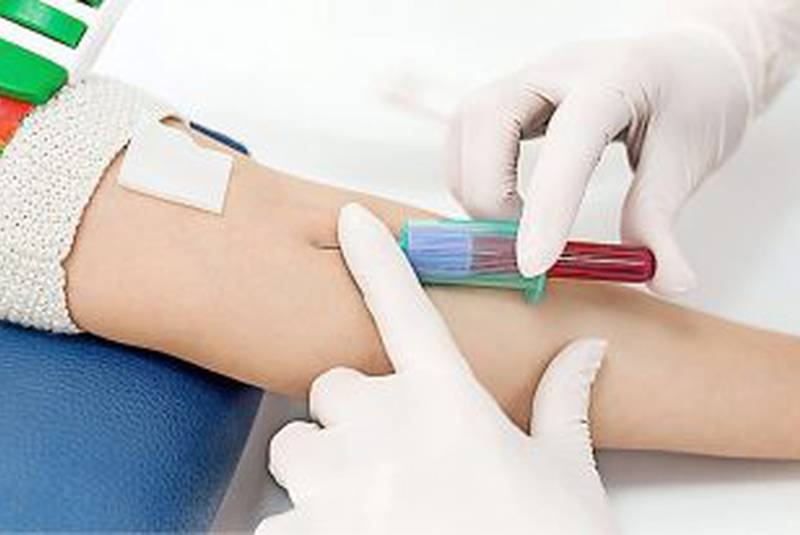
Unlock Your Future: A Complete Guide to Phlebotomy Technician Certification
Are you considering a career in healthcare and passionate about helping others? Phlebotomy coudl be the perfect fit for you! As a vital part of medical teams, phlebotomy technicians are responsible for drawing blood and conducting essential tests. This article will guide you through all the steps needed to obtain your phlebotomy technician certification, including benefits, training options, and practical tips for success.
What is a Phlebotomy Technician?
A phlebotomy technician is a skilled healthcare professional who specializes in drawing blood from patients for clinical or medical purposes. they play a crucial role in diagnostics,ensuring samples are collected properly and safely. With a growing demand for healthcare workers,becoming a certified phlebotomy technician can unlock numerous career opportunities.
Why choose a Career in Phlebotomy?
Phlebotomy offers various benefits that make it an attractive career choice:
- High Demand: The healthcare industry is constantly growing, with a consistent need for blood collection specialists.
- Short Training Period: Training programs can often be completed in a few months, allowing you to enter the workforce quickly.
- Job Satisfaction: Helping patients and being part of their healthcare journey is profoundly rewarding.
- Flexible Work Opportunities: phlebotomists can work in various settings, including hospitals, clinics, and laboratories.
Steps to Achieve Phlebotomy Technician Certification
Obtaining your phlebotomy technician certification involves several key steps:
1. Research Certification Requirements
Different states and certifying bodies have specific requirements for phlebotomy certification. commonly recognized organizations include:
- American Society for Clinical Pathology (ASCP)
- national Centre for Competency Testing (NCCT)
- National Healthcareer Association (NHA)
Make sure to check the specific prerequisites needed for the certification you wish to pursue. Generally, you’ll need to complete a phlebotomy training program and gain practical experience.
2. Enroll in a Phlebotomy Training program
Choose an accredited phlebotomy training program that meets your state’s requirements. Look for programs that offer hands-on training, real-world experience, and access to clinical settings. Hear’s a summary of key factors to consider:
| Factors | Considerations |
|---|---|
| Accreditation | Ensure the program is accredited by a recognized body. |
| Duration | Programs typically last between 4 to 8 months. |
| Hands-On Training | Look for opportunities for real-life blood draws from patients. |
| Job Placement Services | Check if the program offers job placement assistance post-graduation. |
3. Gain Practical Experience
During your training, you will need to complete a certain number of blood draws under supervision. Most programs require a minimum of 30-50 prosperous venipunctures.
4. Prepare for Certification Exams
After completing your training, it’s time to prepare for your certification exam. Consider forming study groups,using online resources,and practicing with mock exams.
5. obtain Certification
Once you feel prepared, register for your certification exam. A passing score will allow you to apply for jobs as a certified phlebotomy technician!
Benefits of Phlebotomy Technician Certification
Obtaining phlebotomy certification comes with numerous advantages:
- Increased Job Opportunities: Certification frequently enough gives job seekers an advantage in the competitive healthcare job market.
- Higher Earning Potential: Certified phlebotomists typically earn higher salaries compared to those without certification.
- Career Advancement: Certification makes you eligible for further advancement in the healthcare field, perhaps leading to specialized roles.
Practical Tips for Success
To ensure your success as a phlebotomy technician, keep these practical tips in mind:
- Always maintain professionalism and empathy when dealing with patients.
- Practice effective interaction skills to help ease patient anxiety during blood draws.
- Stay updated on industry best practices and protocols through continuous education.
First-Hand Experience: A Day in the Life of a Phlebotomy Technician
Let’s hear from Sarah, a phlebotomy technician with three years of experience:
“Every day is different, but I love the patient interactions. It’s rewarding to know I’m part of their care team. I frequently enough face challenges, like calming nervous patients, but once they see how gentle the process is, they feel at ease.”
Conclusion
Becoming a certified phlebotomy technician is a rewarding path that allows you to make a significant impact in the healthcare field. By following the steps outlined in this guide, you can unlock your future and embark on a successful and fulfilling career. With the right training, certification, and experience, you’ll be well on your way to making a difference in the lives of patients every day. Begin your phlebotomy journey today!