Master the Art of Blood Drawing: Essential Skills for Future Healthcare Professionals
Introduction
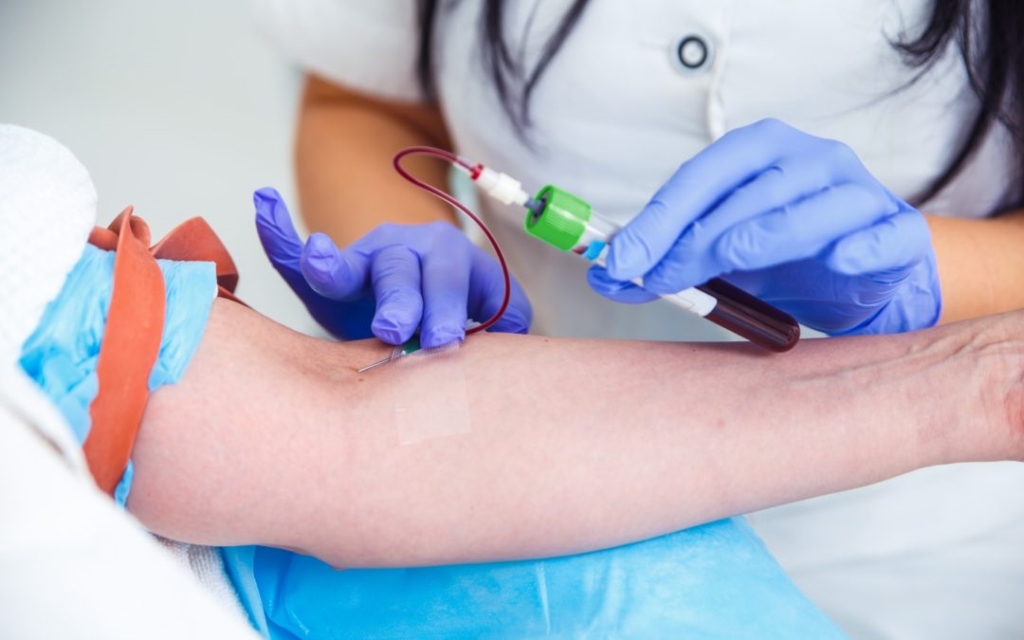
Blood drawing, also known as phlebotomy, is a critical skill for future healthcare professionals. Whether you’re a nurse, physician, or lab technician, mastering this technique not only enhances your proficiency but also ensures the safety and comfort of your patients. In this article,we will explore the essential skills required for blood drawing,its importance in the healthcare field,practical tips,and much more.
Understanding the Importance of Blood Drawing
Blood tests are integral for diagnosing a multitude of health conditions. Proper blood drawing techniques are key to obtaining accurate test results.As future healthcare professionals, mastering this art contributes significantly to patient care. Here’s why:
- Accurate diagnosis and treatment plans
- Reduced risk of infection or complications
- Enhanced patient trust and comfort
Essential Skills for Blood Drawing
To become proficient in blood drawing, here are essential skills and techniques to master:
1. Knowledge of Anatomy
Understanding the anatomy of veins and arteries is crucial. The most common sites for venipuncture include:
- Median cubital vein
- Cephalic vein
- Basilic vein
2. Proper Equipment usage
Familiarity with various blood collection devices is necessary. These include:
- Vacutainer systems
- Butterfly needles
- Syringes
3. infection control and Safety Protocols
Following standard safety protocols protects both the patient and the healthcare professional. Always:
- Wear gloves
- Disinfect the puncture site
- Dispose of needles properly
4. Communication Skills
Establishing trust with patients and explaining procedures can significantly reduce anxiety, leading to a smoother experiance.
5. Technique and Practice
Perfecting your technique through practice ensures you draw blood effectively with minimal discomfort. Consider simulation training for hands-on experience.
Benefits of Mastering Blood Drawing
Acquiring blood drawing skills has numerous benefits as outlined below:
- Improved Patient Care: Skillful blood drawing minimizes discomfort, enhancing the overall patient experience.
- Increased Efficiency: Proficiency leads to quicker and more accurate procedures.
- Professional Development: Mastering phlebotomy can enhance career prospects in various healthcare fields.
practical Tips for Future Healthcare Professionals
Here are some practical tips to help you master the art of blood drawing:
1. Stay Calm and Focused
Your demeanor can influence the patientS comfort. Maintain a calm and confident attitude.
2.Be Responsive
Listen to the patient’s concerns and address them promptly to alleviate anxiety.
3. Continuous learning
Healthcare techniques and technologies evolve rapidly. Stay updated through workshops and seminars.
Case Studies: Real Experiences in Blood Drawing
| Case Study | Patient Outcome | Lessons Learned |
|---|---|---|
| 10-Year-Old Patient | Accomplished blood draw with minimal discomfort. | Effective distraction techniques helped reduce anxiety. |
| 65-Year-Old Patient | Challenging due to rolling veins. | Use of butterfly needles proved effective. |
First-Hand Experience: Insights from Healthcare Professionals
Many healthcare professionals emphasize the importance of practice in mastering blood drawing. Here are insights from seasoned phlebotomists:
“Experience is your best teacher. Don’t be afraid to ask for feedback and learn from each procedure.” - John, Experienced Phlebotomist
“Building rapport with patients is as important as mastering the technique. A kind word can go a long way in improving the experience for everyone involved.” – Sarah, Nurse Practitioner
Conclusion
Mastering the art of blood drawing is an invaluable skill for future healthcare professionals. It requires a combination of technical knowledge, hands-on practice, and interpersonal skills. By focusing on proper techniques and patient care, you can contribute significantly to the healthcare field.Remember, continuous learning and practice are key to becoming a proficient phlebotomist—so embrace every opportunity to refine your skills!